



Is your brake fluid reservoir sitting lower than it should be? A few millimeters of drop might just mean your brake pads are wearing down. As the pads get thinner, the caliper pistons extend further to clamp down on the rotors. This displaces more fluid into the calipers, pulling the level down in the reservoir. It’s normal. It’s mechanical. It’s not a crisis.
But what if you recently topped off the fluid, and a few days later, it’s low again? Or worse, the pedal feels spongy? That’s not wear. That’s a leak. And it’s a problem you need to fix before your next highway drive.
The Cardiovascular System of Your Car
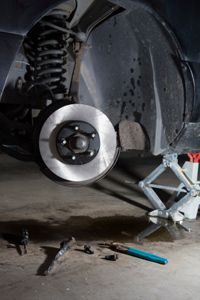
Think of your brake system like a closed-loop hydraulic circuit. The master cylinder is the heart. It pumps brake fluid through steel lines and rubber hoses to the wheels. At each corner, the fluid hits calipers or wheel cylinders. Pistons push pads against rotors or shoes against drums. Everything is sealed. Everything is pressurized.
When that seal fails, fluid escapes. Air enters. Pressure drops. Brakes fade.
Every connection point is a potential failure mode. Fittings loosen. Hoses crack from heat and age. Steel lines corrode. Punctures happen from road debris. Even the bleeder valves can leak if left slightly loose after service. There’s no single “weak link.” The entire system is vulnerable.
Locating the Leak: A Simple Diagnostic
You can’t fix what you can’t find. Start by parking on a level surface. Wait two hours. Look underneath.
Where is the fluid?
- Under the rear of the engine bay: Likely the master cylinder or its boosters.
- Under one wheel: That corner’s brake line, caliper, or wheel cylinder.
- Under the rear axle area: Rear brake lines or wheel cylinders on drum brakes.
Brake fluid is clear to light amber. It’s slick. It smells slightly acidic. Don’t confuse it with coolant or oil. If you see a puddle matching those traits, you’ve got a leak.
The Master Cylinder and Bleeder Valves
The master cylinder sits at the firewall, connected to the brake booster. If fluid pools near the engine, not under the wheels, the master cylinder is the prime suspect. Internal seals wear. External fittings leak. Both are serious.
Bleeder valves are smaller culprits. Located on calipers and wheel cylinders, they allow air removal during bleeding. If a mechanic left one slightly loose, fluid weeps out. Tighten it. Done. But don’t assume that’s always the case. A loose bleeder is a quick fix. A cracked hose is not.
The Spongy Pedal Warning
If your brake pedal goes to the floor, pump it. If pressure builds after a few pumps, you might have air in the lines. If nothing happens, you have a major leak. Fluid is escaping faster than the master cylinder can replace it. Pressure collapses. Brakes fail.
This isn’t a “drive it to the shop” situation. This is a “tow it” situation. Or call for emergency help if you’re already moving. Your safety, and everyone else’s on the road, depends on immediate action.
Why You Can’t Ignore This
Brake fluid is incompressible. That’s what transfers force from your foot to the pads. When fluid leaks, the system loses that medium. Air replaces it. Air compresses. Pedal travel increases. Stopping distance grows. Eventually, brakes stop working altogether.
You won’t run out of fluid and keep driving. The brakes will fail long before the reservoir hits empty. The warning signs are there. Low fluid. Spongy pedal. Puddles. Listen to them.
Checking the Basics
Before you replace expensive components, verify the obvious. Are your brake pads and shoes worn? If yes, replace them. Top off the reservoir. Monitor for a week. If the level holds, you were just compensating for wear. If it drops again, you have a leak.
Check every fitting. Inspect lines for cracks, bulges, or corrosion. Look at calipers and wheel cylinders for seepage. Tighten bleeder valves if they feel loose. If you can’t find the leak, don’t guess. Take it to a professional. Brake systems are critical. Guessing is dangerous.
What’s Next
Once you’ve located the leak, repair or replace the failed component. Bleed the system to remove air. Refill with the correct DOT-rated fluid. Test the pedal. Drive cautiously. Verify no leaks after a short trip.
Don’t skip steps. Don’t delay. Brakes aren’t something you “get around to.” They’re something you fix now.
For deeper dives into how specific components work, explore resources on brake pads, calipers, and bleeding procedures. Understanding the system helps you spot problems early. And early detection prevents roadside breakdowns. Or worse.
Stay sharp. Check your fluid. Watch for leaks. Drive safe.