

There is a standard lifecycle for sports cars. You buy it. You drive it fast for three months. The novelty dies. The stiff ride wears you out. You list it for sale.
The Toyota GR breaks this cycle.
People keep them. Not out of stubbornness. Out of satisfaction. Owners resist trade-in offers that make logical sense. They ignore the depreciation charts. It is not the fastest car in its price class. It does not try to be. It just works. Every single day.
Why do drivers keep affordable performance cars longer?
Most performance ownership arcs end badly. The thrill fades. Insurance costs hurt. Daily annoyages pile up. You see something faster for the same money and you panic-buy an upgrade.
This usually happens within two years.
The GR avoids this. Forums are full of people buying their third unit. Low-mileage used examples are nearly impossible to find. Why?
Because the car doesn’t ask for anything in return.
There are no turbocharged fireworks. No track-day bragging rights over cars costing double the price. It just sits there. In the garage. Waiting to drive. It remains engaging after five years. After ten. That kind of endurance is rare in a world that values disposable speed.
Is the Toyota GR worth keeping for daily driving?
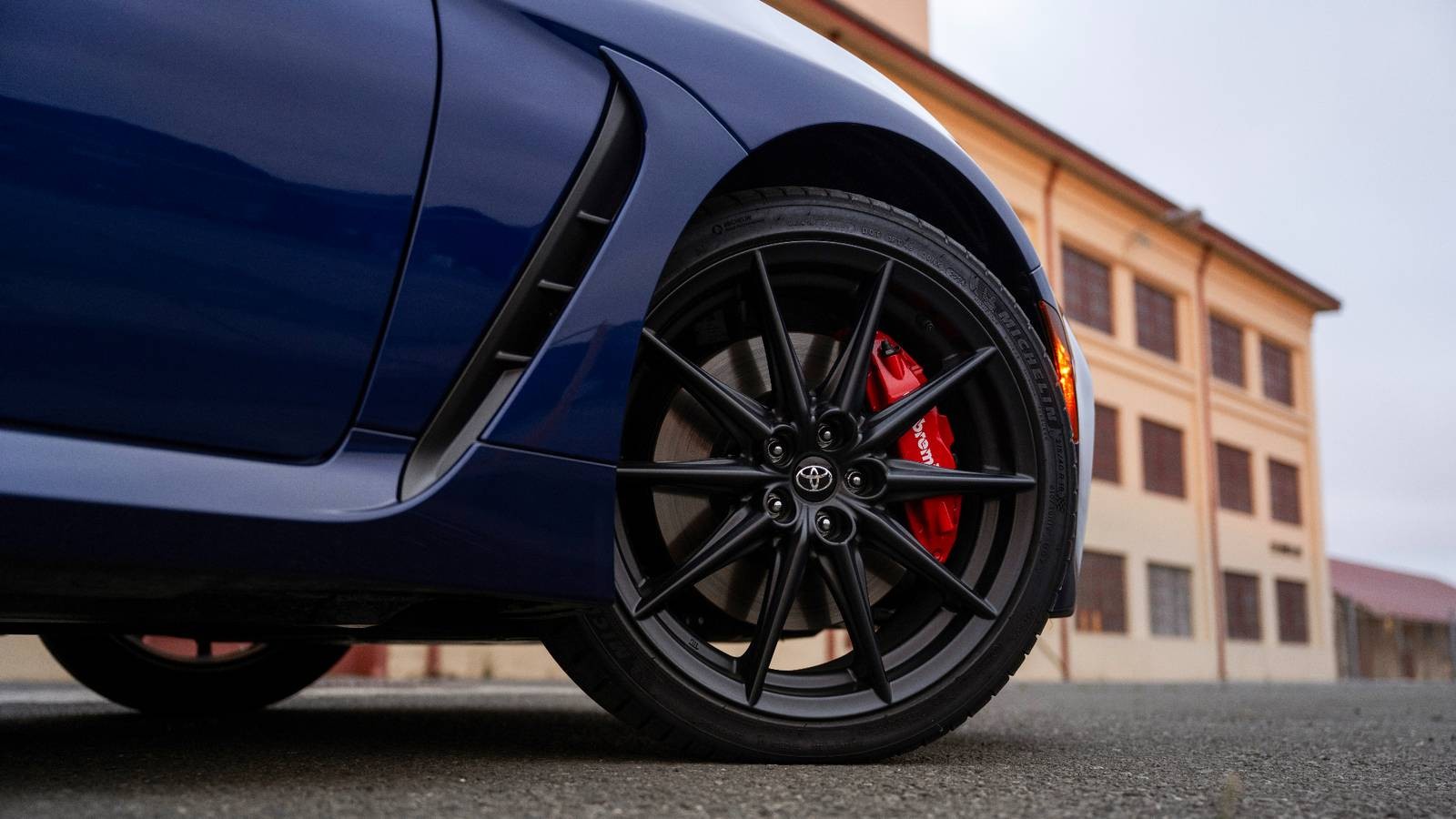
The 2026 Toyota GR86 is the subject of this loyalty. The numbers tell the story.
Base pricing starts at $31,40 MSRP with a manual transmission. The Premium trim hits around $35,195. The limited-run Yuzu Edition sits near $36,010. For every dollar. You get a specific set of tools.
- A 2.4L naturally aspirated flat-4 engine
- 228 horsepower
- 184 lb-ft of torque
- Rear-wheel drive layout
These stats look modest on paper. Competitors boast more power. But they weigh twice as much. The GR weighs about 2,850 lbs.
This balance changes how you drive. The low center of gravity matters more than peak horsepower. You pull cleanly out of corners. You feel the grip. The steering talks to your hands. It feels intentional. Not rushed.
Most daily drivers demand comfort at the cost of engagement. The GR gives you engagement without punishing your back.
Does a manual gearbox prevent boredom?
A huge part of the GR’s appeal is the mechanical link. The six-speed manual feels light. Predictable.
Shifting becomes habit. Then it becomes art.
Automatic transmissions age poorly. A fast gear change is cool in 2015. By 2019. It feels clunky. The next generation is smoother. Yours is obsolete.
A clutch does not get obsolete. It remains tactile. Owners cite this involvement as the main reason the commute stays fresh. Even after year four. Especially after year four. You improve as a driver. The car matches you. It does not judge you for buying last year’s model.
What are the real costs of owning a GR86 long-term?
Sticker price is not the whole story. Maintenance is the silent killer of fun.
CarEdge data paints a different picture. Over ten years. You can expect to spend about $4,761 on maintenance and repairs for a GR86.
The segment average? Over $7,300.
You save more than $2,540. Major repairs? The likelihood sits at roughly 12.5%. Compare that to the Ford Mustang or the Volkswagen GTI. The GR holds an edge.
The most reliable sports car is the one you do not need to fix.
This financial stability removes the primary excuse for upgrading. “My other car is falling apart” loses its weight. The GR just keeps running.
Have early engine reliability concerns been resolved?
Yes. There was noise. Loud noise.
Early 2022 models saw issues. Oil starvation. Specifically during hard driving or track use. Some engines failed. It made headlines.
Toyota addressed it. They implemented stricter oil level warnings. They tightened quality control on the FA24 engine block.
By 2024 and into the 2026 production cycle. The data cleared. Independent trackers show reliability scores rising from 71/100 in early years to over 80/100 today. The 2025 and 2026 models currently show zero recall-related complaints on public record.
Long-term owners back this up. Several community members have logged tens of thousands of spirited miles across multiple platforms without failure. The “gasket scare” became a footnote. The cars today are more robust than their predecessors.
Which communities support these drivers?
You do not fix this car alone. The enthusiast network is dense.
Sites like GR86.org act as free diagnostic centers. Owners share specific codes. They discuss break-in procedures for the flat-four. They document wear items before you know to check them.
This grassroots knowledge extends the car’s life. You learn when to swap spark plugs. You know exactly what that “ping” means under heavy load. The community prevents catastrophic failures before they start.
This confidence breeds loyalty. When you know exactly how to maintain your machine. You hesitate to sell it. You simply drive it longer.
Should you keep or sell your performance car?
The category is shrinking. True RWD coupes with manuals. At accessible price points. They are disappearing.
The GR survives. It avoids the “too expensive to maintain” trap. It avoids the “too boring to drive” trap.
It sits in the middle. Affordable enough to ignore finance. Engaging enough to ignore distractions.
People do not buy the GR to flex. They buy it to feel. And once you feel it. The upgrade urge vanishes. You realize you have the toy that does everything right.
The engine purrs. The clutch bites. The road bends.
Do you really want to give that up? Probably not. That is why they stay parked in the garage. Long past the expected end of ownership. Waiting for the weekend. Or the Tuesday night drive that feels like freedom.
They do not sell. Because there is no reason to leave.