


New shoes, new strategy. That is the vibe. Stellantis dropped FaSTLane 2032. Actually, FaSTLane 2030. It does not matter. The point stands. This is the first big move by CEO Antonio Filosa who took the wheel in June 2026. He wants 60 new cars. Not concepts. Real metal. Rolling out by the end of the decade.
The price tag hurts. €60 billion. That is A$97.6 billion. Just for the launch. You also get 50 product updates on existing lines.
60 models. 29 of them fully electric. The rest split between plug-in hybrids, range extenders, and old-school combustion engines.
It is a wide net. Thirty-nine pure combustion or mild hybrids will survive. The EV push is there but the gasoline car is not dead yet. Not at Stellantis.
Four Kings. Many Pawns
They are not killing any brands. Yet. But they are freezing half of them out of the fun. The money flows to the big four. Jeep, Ram, Peugeot, Fiat. These guys get 70% of the development budget. Plus Pro One commercial vehicles.
The second tier? Chrysler, Dodge, Citroen Opel, Alfa Romeo. They are strong in their spots but they stay regional. No global glory.
DS and Lancia get demoted to historic status. Citroen manages DS. Fiat manages Lancia. They survive but they do not steer.
Maserati is alone. They have two large vehicles planned but details? Silence. We wait until year end.
One Platform. Maybe.
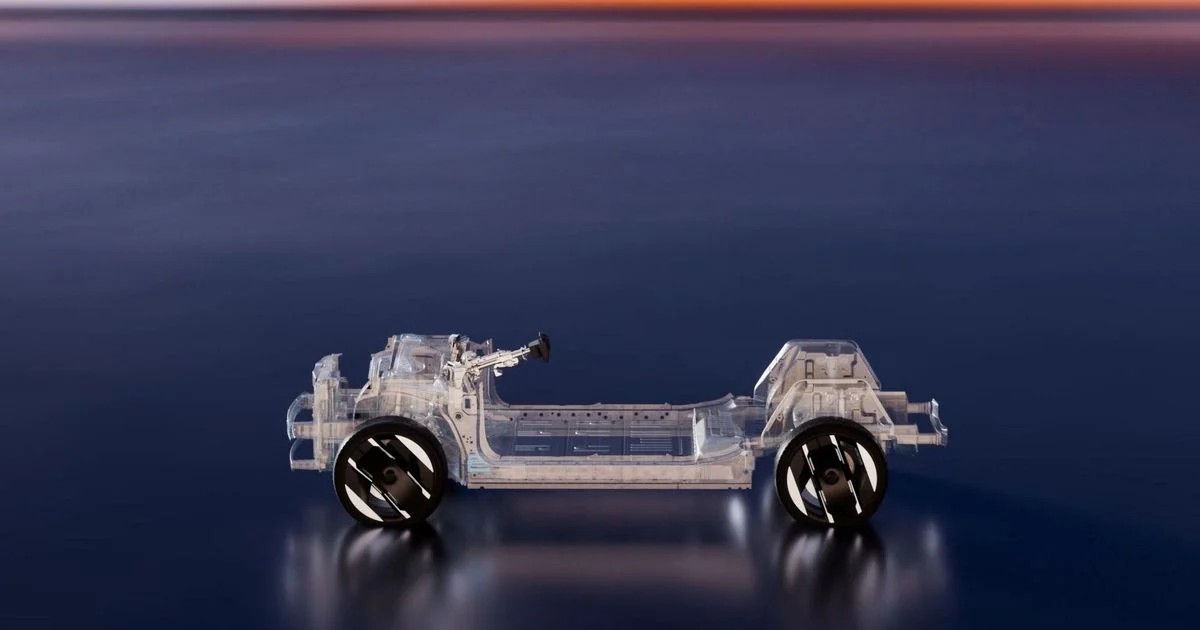
STLA One. It arrives in 2027. It is a modular architecture meant for B, C, and D segments. Think Peugeot 208 to 508. Basically everything in between.
Today Stellantis uses at least five different platforms. EMP1. EMP2. Small Car. Compact. Small Wide. A mess. Leftovers from PSA and Fiat Chrysler mergers. All of this disappears. STLA One takes over.
It will spawn 30 models by 35. It is multi-energy by design. Gas. Hybrid. Electric. No choice made. Yet.
For the EVs it supports 800-volt architecture. The battery sits in the body structure. Cell-to-body integration. It makes the car lighter. Stiffer. Simpler. It also gets STLA Brain. The software stack. Plus STLA SmartCockpit. And AutoDrive. It sounds fancy. Is it better? Probably.
Sharing is Caring?
The European factories are too empty. So they share the floor. Leapmotor vehicles get built in Madrid. Also Zaragoza.
Over in China the Dongfence joint venture makes two new Jeeps and two new Peugeots. For China and for export.
Then there is the curveball. A Voyah EV. Built in Rennes. France. It is a Dongfeng car made in a Stellantis plant. The lines blur.
The strategy is bold. Or desperate. Maybe both. The platform consolidation makes sense on paper. But 60 models in three years is a heavy lift. Filosa has little room for error.
What happens if the hybrids flop? We shall see.