




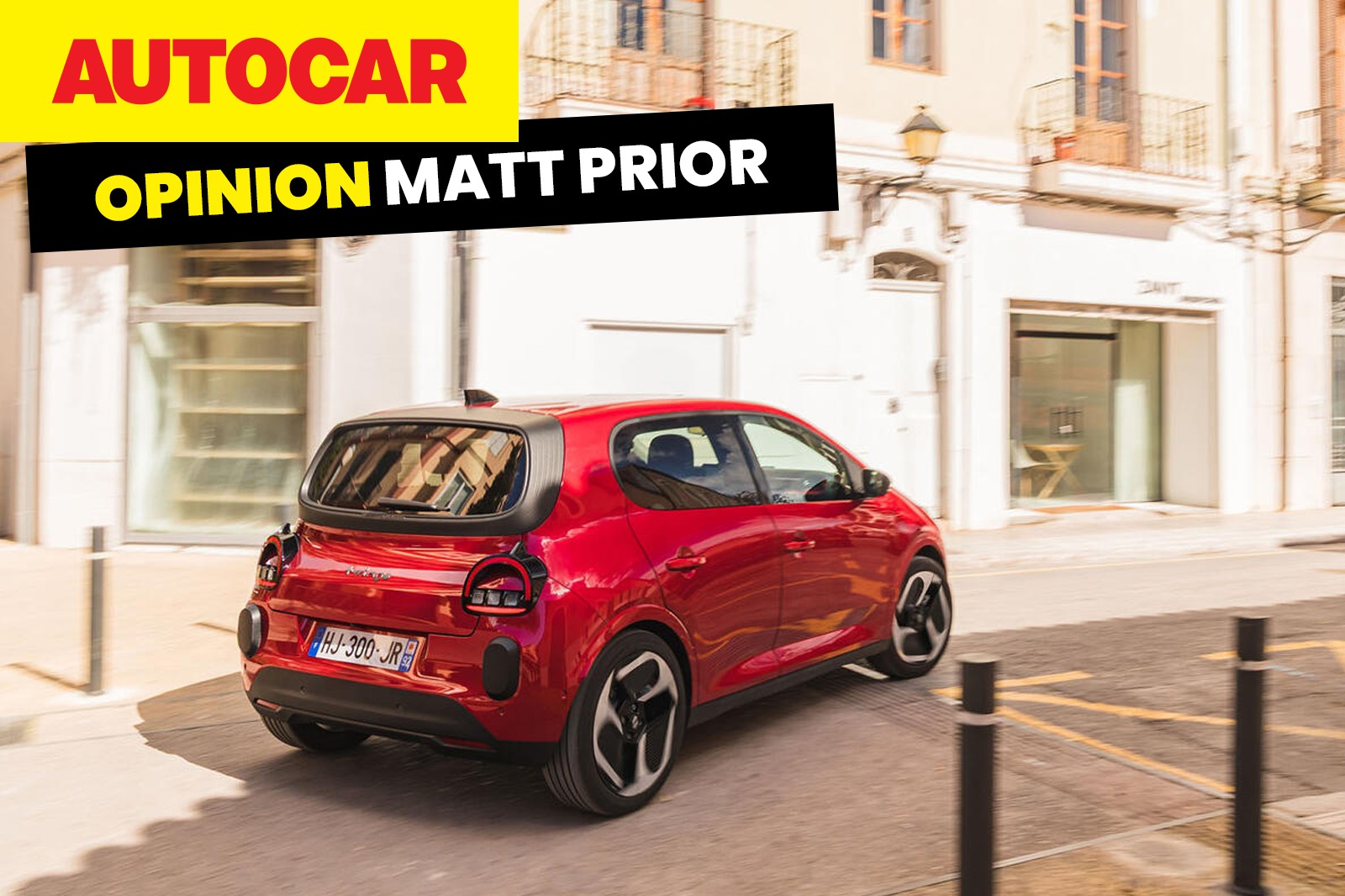
The new Renault Twingo electric vehicle (EV) is built with just 700 parts, a dramatic reduction from the 1,200+ in the Renault 5 and 2,200-2,500 in traditional combustion engine models like the Clio. This aggressive streamlining isn’t just about fewer components; it’s a direct response to competitive pressures from Chinese automakers, who are entering the European market with lower prices. Renault has achieved this reduction in an unusually short development cycle – 100 weeks from concept to production – largely through its new Advanced China Development Centre in Shanghai.
The Efficiency Push: Speed and Supply Chains
The speed of development is tied directly to the responsiveness of Chinese suppliers. Where European vendors may take up to two weeks to finalize pricing and availability, Chinese suppliers are reportedly confirming details within 24 hours. This advantage allows Renault to operate on an accelerated timeline, crucial for maintaining competitiveness in the rapidly evolving EV space. The reduction isn’t simply about faster sourcing; it’s also about ruthless design choices aimed at minimizing components without sacrificing perceived quality.
Design Trade-offs: Cost Versus Appeal
The example of the backlit hazard warning button illustrates the internal tensions driving this efficiency push. While seemingly minor, even small aesthetic features can accumulate significant costs over a vehicle’s lifespan. Designers and marketers sometimes win these battles, preserving appealing details, while other compromises are made behind the scenes to achieve the overall parts reduction.
Weight Reduction: A Key Benefit
Despite being an EV, the Twingo weighs 1,200kg, roughly 250kg less than the Renault 5. This weight reduction is significant because heavier EVs tend to suffer from reduced efficiency and handling. While the Twingo’s battery is smaller, the overall weight savings are a positive sign.
The Broader Implications
This move by Renault reflects a broader trend: European automakers are being forced to adapt to the aggressive pricing and efficiency of Chinese competitors. If this competition results in lighter, more efficient vehicles without a perceived drop in quality, consumers stand to benefit. The Twingo’s radical approach to parts reduction suggests that the future of EV manufacturing may hinge on similar ruthless optimization efforts.