

A glimpse into Ford’s abandoned electric vehicle (EV) ambitions has recently surfaced, offering a rare look at a project that was once intended to be a cornerstone of the company’s electrification strategy.
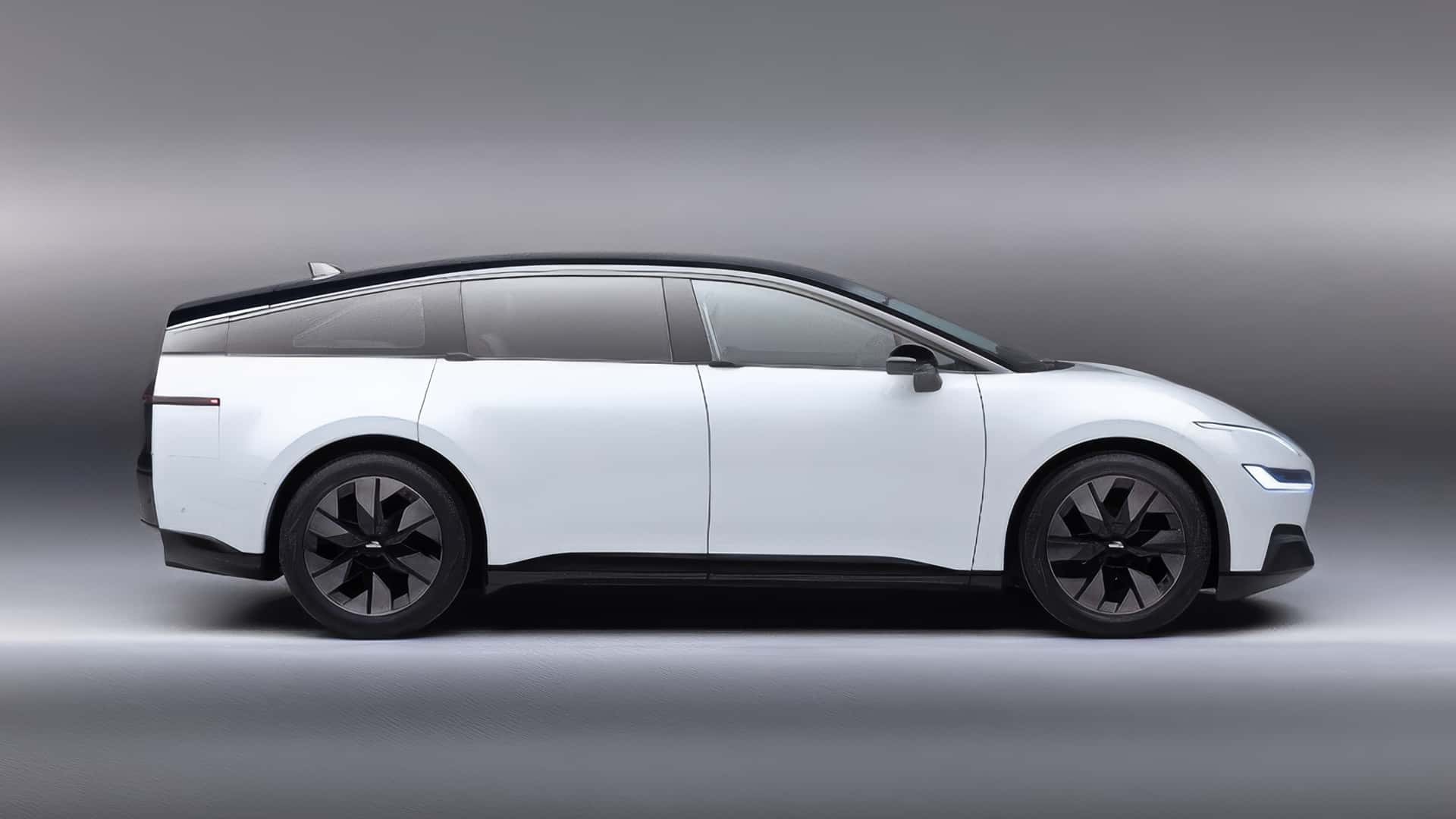
Doug Field, Ford’s former head of EV development, recently shared an image of the canceled three-row electric SUV on his LinkedIn profile. The silhouette reveals a vehicle with a striking, albeit controversial, design: a long, sloping roofline and a truncated rear end that draws aesthetic comparisons to the classic 1964 Shelby Cobra Daytona coupe.
From “Personal Bullet Train” to Research Prototype
When Ford first teased this model in May 2023, CEO Jim Farley described it with high ambition, calling it a “personal bullet train.” The company promised a vehicle capable of exceeding 350 miles of range, targeting the much-needed three-row family segment.
However, the reality of the current automotive market proved more challenging than Ford’s initial projections. Due to a significant cooling in consumer demand for battery-electric vehicles, Ford officially canceled the project in 2024, well before its scheduled 2025 launch.
Despite its cancellation as a consumer product, the vehicle has not been entirely scrapped. A Ford spokesperson confirmed that the model now functions as a “research vehicle,” intended to provide data and insights that will inform the development of the company’s next generation of EVs.
A Strategic Pivot: Hybrids and Range Extenders
The cancellation of the three-row SUV is part of a broader, more pragmatic shift in Ford’s overarching powertrain strategy. Rather than a total retreat from electrification, Ford is moving toward a more diversified approach to meet changing consumer preferences:
- Hybrid Expansion: Ford aims to integrate hybrid technology across nearly its entire lineup by the end of the decade.
- Range-Extended EVs: The next generation of the F-150 Lightning is expected to feature an on-board generator, bridging the gap between pure EVs and traditional internal combustion engines.
- The Universal EV Platform: Ford is focusing its resources on a new, flexible architecture designed to support more affordable models, starting with a mid-size pickup expected in 2027.
Why This Shift Matters
This transition highlights a growing trend among legacy automakers: the realization that the “all-in” EV transition may need to be slower and more flexible than originally planned. While the long-term goal remains electric, the immediate demand for hybrids and range-extenders suggests that consumers are still wary of “range anxiety” and the current limitations of charging infrastructure.
By repurposing the canceled three-row SUV as a research tool, Ford is attempting to salvage the intellectual property and engineering lessons learned during its development, ensuring that the “mistakes” of today become the foundations of tomorrow’s models.
The future of Ford’s electric lineup will likely be defined by versatility—balancing pure battery power with hybrid solutions that better align with current market realities.
Conclusion
Ford has pivoted from high-concept, standalone electric models toward a more pragmatic, multi-energy strategy. The canceled three-row SUV may never reach showrooms, but its design and engineering data will play a critical role in shaping the more affordable, flexible electric vehicles arriving in the late 2020s.