

You barely notice it until you do.
Then the pump hits your wallet. Hard.
A new iSeeCars study shows 2026 is already turning into a year where fuel stops being a background nuisance and becomes a line item that bleeds. Between January and April gasoline prices jumped nearly 46 percent. They went from $2.81 a gallon to $4.10. Since then things only got worse. As of late May regular unleaded costs $4.52 on average. Diesel? More like $5.62.
Even using the shorter timeline for the data the math feels heavy. Traditional gas cars are facing an extra $706 a year.
EV drivers? An $11 increase.
That’s it.
The analysis looks at over 2.1 million used cars from three years ago. They paired average annual mileage with the fuel prices from Jan through April. The results show why owning an internal combustion engine is becoming a gamble.
ICE vehicles saw costs jump from $1,533 yearly to $2,240. Hybrids did better, only up $486. PHEVs landed in the middle at $291 more. Electric cars rose a modest amount, going from $714 to an average of $725 for charging costs. Not bad when you realize most owners still use public chargers.
It wasn’t just efficiency that killed us. Mileage mattered too.
Surprise, minivans got hit the hardest of any segment. Their annual costs rose $1,139. Total bill is now near $3,610 for gas alone. These things are built for school runs and grocery hauls so the odometer spins fast. Trucks followed with a $992 hit thanks to terrible aerodynamics.
But the SUV segment feels almost punitive.
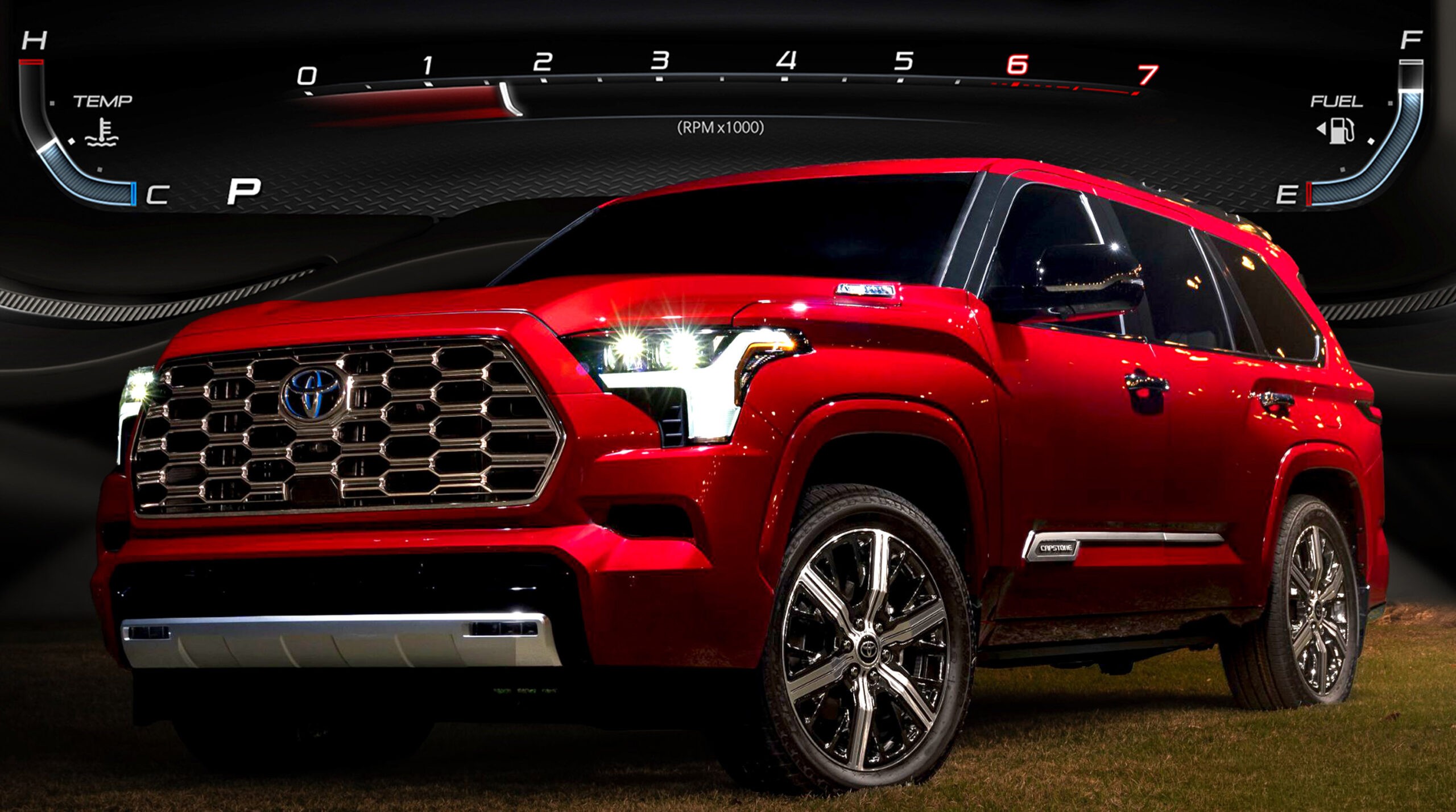
The Toyota Sequoia leads the pain chart. Owners are paying an average $1,62 more just to keep the tank full compared to four months prior. The Chevy Suburban and Nissan Armada aren’t far behind, both losing over $1,500 of potential savings to the pump.
So why are hybrids suddenly making sense?
They bridge the gap. No charging cords to deal with yet they smooth out the volatility of gas prices. The market is correcting itself. People want distance without the anxiety of finding a socket or paying for air.
Who owns a gas-guzzler in a price shock?