

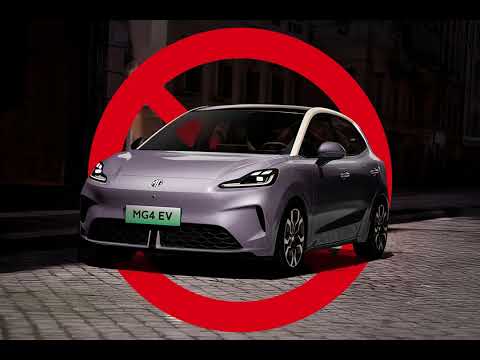
MG Motor UK has decided to postpone the release of its all-new MG 4 electric vehicle in favor of a refreshed version of the existing model. This strategic move reflects a deliberate divergence in product planning between the automaker’s UK and Chinese operations, leveraging the success of the current MG 4 platform in the British market.
Why the Delay?
The decision stems from the success of the first-generation MG 4 in Europe, particularly in the UK. According to MG Motor UK boss David Allison, the vehicle has achieved significant sales figures, making a radical shift to a second-generation model less appealing in the short term.
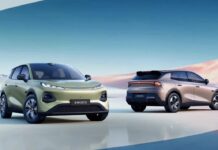
The all-new MG 4, already available in China since March, represents a major overhaul: it’s 100mm longer, switches from rear-wheel to front-wheel drive, and features a new design inspired by the MG Cyberster. However, the UK division believes that continuing to support the current model through a facelift will maximize returns faster.
China vs. UK Strategy
This illustrates a clear difference in how MG approaches its largest markets. In China, a rapid refresh cycle is common, with models evolving quickly to meet domestic demand. The UK, however, values the established momentum of the existing MG 4, which has become a popular and recognizable EV.
“The MG 4 EV as we know it has been wildly successful in Europe… But it’s a different story in the domestic market,” says Allison.
The facelifted version will likely address minor design or feature improvements, ensuring the car remains competitive while avoiding the costs and logistical challenges of launching a completely new model.
What This Means for UK Consumers
UK buyers will continue to have access to the current MG 4, with updates expected soon. The next-generation model may be considered for release at a later stage, depending on market conditions and consumer demand. For now, MG is prioritizing what works: a proven, successful EV that keeps sales strong in a key European market.
The move underlines the growing complexity of global automotive strategies, where regional preferences and market dynamics play a crucial role in product decisions.