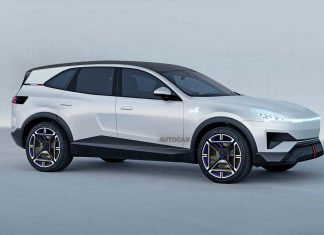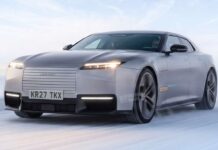
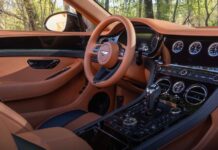

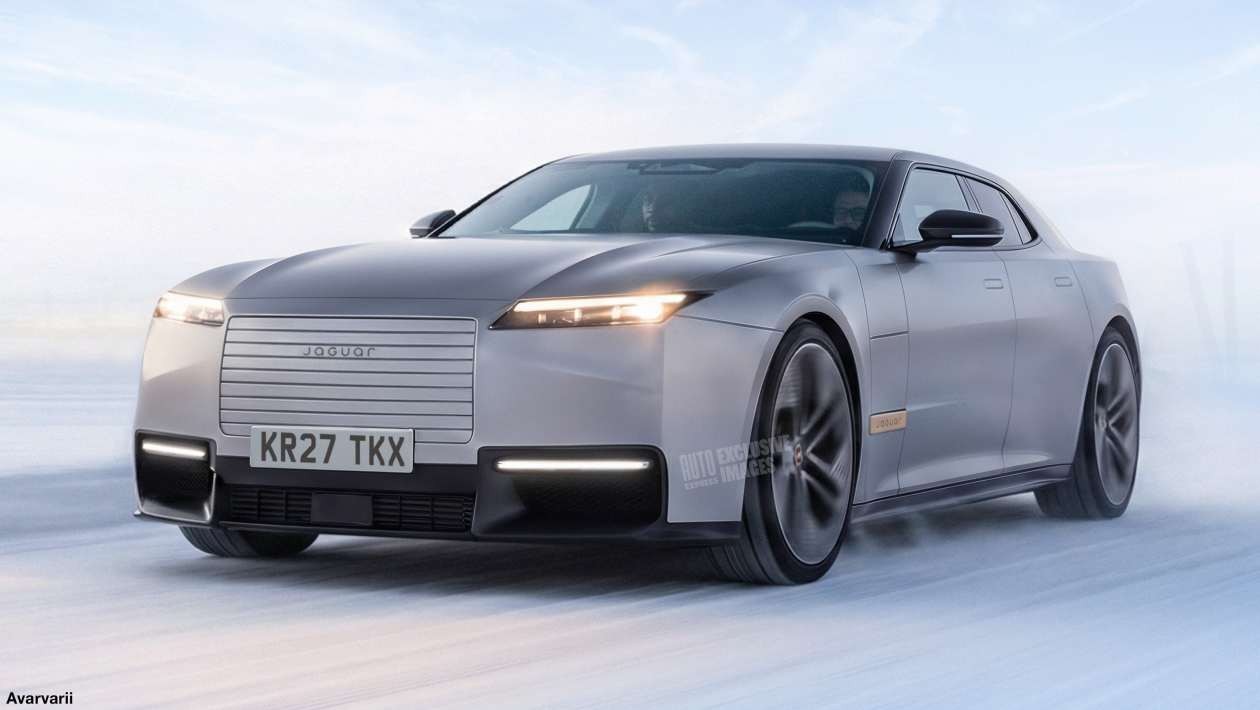
Jaguar is poised to redefine its identity with a single, electrifying vehicle. In just days, the brand will officially unveil the name for its groundbreaking four-door electric grand tourer, ending months of speculation surrounding the “Type 00” concept. This car represents more than a new model; it is a strategic pivot away from mainstream luxury SUVs and saloons toward a high-performance, design-led future that Jaguar believes is essential for its survival and resurgence.
A Name to Remember
Until now, the vehicle has been known internally as the Type 00 or by its codename X900. While the final production name is expected to be revealed imminently, the focus remains on the car’s radical departure from traditional automotive norms. The official unveiling of the production version is scheduled for September, but the anticipation has already shifted from “what will it look like?” to “how will it perform and where will it sit in the market?”
Engineering the Impossible: Power vs. Weight
Beneath its sleek, 5.2-meter-long body lies Jaguar’s new Electric Architecture (JEA) platform. This is not a converted internal combustion engine car; it is built from the ground up for electrification.
- Performance: The vehicle features an 850-volt electrical system, a massive 120kWh battery pack, and three electric motors (one front, two rear).
- Output: Combined power reaches approximately 1,000bhp with 1,366Nm of torque.
- Acceleration: This power allows the GT to sprint from 0–62mph in just over three seconds, rivaling hypercars like the Bugatti Veyron in raw force.
However, this power comes with a physical trade-off. The car weighs approximately 2,700kg —roughly half a tonne heavier than a Porsche Taycan. This weight is the inevitable consequence of housing such a large battery pack. Yet, Jaguar argues that this investment yields significant benefits:
* Range: Up to 435 miles on a single charge.
* Charging Speed: Capable of 350kW charging, adding 200 miles of range in under 15 minutes.
To manage the weight and deliver a ride quality worthy of the Jaguar badge, the chassis utilizes twin-chamber air suspension, adaptive dampers, and rear-wheel steering. The latter is designed to give the large vehicle a turning circle comparable to a compact Honda Civic, enhancing agility in urban environments.
Design Philosophy: Rejecting the “Wind Tunnel” Look
Jaguar’s management is acutely aware that many modern EVs share a similar, aerodynamic-heavy design language. Managing Director Rawdon Glover describes this as a world of “small wheels” and cars that look like they were “designed in a wind tunnel.”
Jaguar intends to take the opposite approach. The new GT prioritizes emotional and visceral reaction over pure aerodynamic efficiency.
* Aesthetic Goals: The car features dramatic proportions, a lower stance, and a design meant to evoke the spirit of classic Jaguars like the E-Type and XJ220.
* Driving Experience: The focus is on creating a vehicle that is engaging to drive mile after mile without fatigue, combining luxury comfort with dynamic handling.
“It should look like nothing else on the road… It is a statement and a car that will not go unnoticed,” says Glover.
Market Positioning: The “Uber-Luxury” Gap
Jaguar is making a calculated risk by moving upmarket. The entry price is set around £120,000, with the brand’s “center of gravity” targeting approximately £140,000.
This strategy places Jaguar in a unique niche:
1. Below: Top-tier premium brands (e.g., Mercedes-AMG, BMW M).
2. Above: Ultra-luxury houses like Rolls-Royce and Bentley (£280,000+).
Glover argues that there is a significant gap in the market for “uber-luxury” vehicles that offer bespoke personalization. Rather than offering standard trim levels, Jaguar will focus on a base model with extensive bespoke customization options. This mirrors the success of the Land Rover Defender, which saw volume triple despite a doubling in price due to its enhanced product appeal.
Why Electric-Only?
Despite the controversy surrounding the initial concept reveal, Jaguar remains resolute: this car will be electric-only. There are no plans for hybrid or internal combustion variants.
The reasoning is twofold:
1. Buyer Profile: Jaguar targets multi-car households. For buyers spending six figures on a Jaguar, range anxiety is mitigated by the availability of other vehicles in their garage.
2. Brand Identity: Glover asserts that at this price point, buyers are motivated by design, brand heritage, and driving feel, not the powertrain itself. “The powertrain is a long way down the list,” he notes.
The Road Ahead
Orders for the Jaguar GT will open in the second half of 2026, with deliveries beginning shortly thereafter. This timeline suggests a long-term commitment to the JEA platform, which is expected to support Jaguar’s vehicle lineup for seven to eight years.
Jaguar views this move as the “end of the beginning” of its transformation. By breaking the mold and rejecting the safe, mid-market path, the brand aims to reclaim its status as a producer of distinctive, desirable vehicles. Whether this bold, electric-only strategy will resonate with a global audience remains to be seen, but Jaguar is betting that in the 21st century, distinctiveness is the ultimate luxury.