




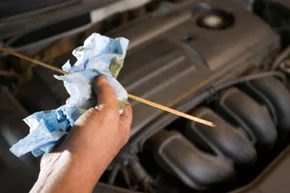
You change the oil. You know you have to. It’s the one maintenance task nobody skips, mostly because the mechanic will yell at you if you do. But do you actually know what that dark sludge does once it’s inside your block? Most people assume it just sits there, keeping things shiny. Wrong. It’s working overtime.
The primary job of engine oil is simple: stop metal from grinding against metal. Picture a piston screaming down a cylinder bore without lubrication. The sound would be deafening. The damage would be instant. Oil prevents that catastrophic friction.
There are other benefits too. Less friction means the engine doesn’t have to fight as hard. It burns less fuel. It runs cooler. Wear and tear drops significantly. Clean oil equals a happy engine. A happy engine equals money staying in your pocket. It’s a straightforward loop.
Don’t confuse this with a “lube job” at a quick-stop shop. That’s grease for your suspension and chassis. Totally different system. Your engine oil doesn’t touch your ball joints. Keep that in mind next time someone tries to upsell you.
What Are the Parts of an Engine Lubrication System?
Let’s trace the path. We’ll follow a single molecule of oil through the circuit. It’s not as complex as it looks.
Oil Pan (Sump)
This is the reservoir. When the engine is off, the oil sits here. Most cars hold between 4 and 6 quarts. It’s the starting line and the finish line.
Pickup Tube
You turn the key. The engine demands oil immediately. The pickup tube sucks the fluid up from the pan. Gravity is irrelevant here. The tube channels the oil toward the pump.
Oil Pump
This is the heart of the system. It pressurizes the oil. Without pressure, the oil wouldn’t reach the tight spaces inside the engine. The pump forces the fluid upward, packing the molecules tight.
Pressure Relief Valve
Too much pressure is bad. If the pump works too hard, the relief valve opens. It lets some oil bypass the filter and go straight back to the sump. It keeps the system from bursting. Think of it as a safety valve for the pump’s output.
Oil Filter
This is the bouncer. As oil flows toward the engine, it passes through the filter. Dirt, metal shavings, and sludge get trapped. Only clean oil makes it past the barrier. If you skip filter changes, this stage fails.
Galleries and Spurt Holes
These are the distribution network. Small passages drilled into the engine block and crankshaft. Oil sprays out of these holes to coat the bearings, cylinder walls, and camshafts. It’s a precise spray pattern designed to hit every moving part.
Back to the Sump
After coating the parts, the oil drips back down. Gravity pulls it into the pan. It collects at the bottom, waiting for the pickup tube to suck it up again. The cycle repeats thousands of times per minute.
This is the mechanical reality of how your engine stays alive. It’s not magic. It’s fluid dynamics and precision engineering. Understanding these components helps you spot problems before they become expensive repairs. A clogged pickup screen or a failing pump doesn’t give warnings. It just stops. Then the engine seizes.
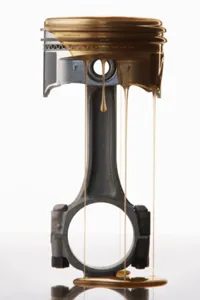
Wet Sump vs. Dry Sump: Which Oil System Wins?
Most cars run on a wet sump system. It’s the standard. You’ve got an oil pan bolted to the bottom of the engine block, sitting there like a reservoir. The oil hangs out there until the pump pulls it up. Simple. Cheap. Reliable. It’s the default because it doesn’t require a complex network of scavenge pumps or external tanks. Just gravity and a pump. Done.
Then you have the dry sump. This is where things get interesting. And expensive.
In a dry sump setup, there is no oil pan under the engine. Instead, the oil is stored in a separate tank. This tank can be tucked away anywhere in the engine bay. Usually, it’s mounted behind the firewall or deep in the chassis. Why? Because having the oil out of the way lets you drop the engine lower. That lowers the center of gravity. The car handles better. It sticks to the road.
Dry sump systems allow the engine to sit lower, improving stability and handling.
There’s another benefit, too. In a wet sump, the crankshaft spins through a pool of oil. At high RPMs, that oil turns into foam. Foamy oil doesn’t lubricate well. It aerates. This is called windage. It kills horsepower. A dry sump keeps the crankshaft clear. It scavenges the oil out quickly. The pump sends it to the tank, then pushes it back into the engine under pressure. Consistent pressure. No foaming. More power.
Why Two-Stroke Engines Are Different
Two-stroke engines don’t play by these rules. You won’t find a sump in a chainsaw or a small scooter. The oil isn’t stored separately. It’s mixed with the gasoline.
This is a completely different lubrication strategy. The oil travels with the fuel. When the mixture burns in the cylinder, the fuel vaporizes. The oil stays behind. It coats the piston rings. It lubricates the bearings. Then it exits through the exhaust.
Some engines require you to mix the oil and gas yourself. You measure. You pour. You hope you got the ratio right. Others have an injection system. A small pump draws oil from a reservoir. It mixes it with the fuel on the fly. The engine controls the ratio based on throttle input. More throttle means more oil. It’s automated. It’s cleaner. But it’s still not a sump system.
How Engine Lubrication Works
The goal is simple. Reduce friction. Keep parts cool. Prevent wear.
A well-lubricated engine runs cooler. It uses less fuel. It lasts longer. The oil film between moving parts prevents metal from touching metal. Without it, you have abrasion. You have heat. You have failure.
The components matter. The oil pan holds the fluid. The pickup tube draws it in. The pump pressurizes it. The filter cleans it. The galleries distribute it. Each part has a job. If one fails, the whole system suffers.
Which Oil System Is Right for You?
If you drive a daily commuter, you don’t need a dry sump. A wet sump is fine. It’s cheaper to maintain. Parts are everywhere. Mechanics know how to fix it.
If you build a track car, a dry sump might make sense. The lower center of gravity helps cornering. The consistent oil pressure helps reliability under hard acceleration. But it adds complexity. More hoses. More pumps. More things that can leak.
Two-stroke engines are niche. You see them in small engines. Lawn mowers. Chainsaws. Some motorcycles. They’re simple in design but messy in operation. The oil mixes with the fuel. You smell it when it burns.
Common Questions About Oil Systems
What is the difference between wet sump and dry sump?
A wet sump stores oil in a pan under the engine. A dry sump stores oil in a separate tank. The dry sump allows for a lower engine mount and better oil control at high RPMs.
Why do race cars use dry sump systems?
Race cars experience high G-forces. A wet sump can starve the oil pump if the oil sloshes away. A dry sump keeps the oil in a tank, ensuring consistent supply. It also reduces windage, preserving horsepower.
How are two-stroke engines lubricated?
Oil is mixed with the gasoline. It lubricates the engine during combustion. It then exits with the exhaust gases.