



Winter mornings are a gamble. You step outside, and your windshield is a sheet of opaque ice. Visibility? Zero. The urge to pour boiling water from a thermos or a kettle is primal. It’s fast. It feels effective.
It is also a terrible idea.
Many drivers think this is the ultimate hack for a quick start. They don’t realize they are risking a cracked windshield, immediate refreezing, and potential legal trouble. The method isn’t just inefficient long-term. It is actively dangerous for your vehicle’s integrity. Let’s break down why this thermal shock is a mistake and what you should actually do instead.
The Thermal Shock Factor
Car windshields are laminated glass. They are tough. They absorb road debris and handle vibration. But they are not indestructible.
When it’s below zero outside, your windshield is as cold as the air around it. Pouring hot water on that surface creates a drastic temperature differential. The glass expands rapidly where the water hits it. The surrounding cold glass does not. This uneven expansion creates stress fractures.
Micro-cracks you can’t even see with the naked eye? They grow instantly. In extreme cases, the entire pane shatters. Replacing a windshield isn’t cheap. Avoiding it requires a simple change in habit: do not pour hot water on a frozen windshield.
The Refreezing Trap
Let’s say the glass survives the thermal shock. You still have a problem.
Hot water doesn’t just melt ice; it leaves moisture behind. When that water hits the sub-zero surface of the glass, it cools down almost instantly. If the ambient temperature is below freezing, that water turns right back into ice.
You end up with a harder, thicker layer of ice than you started with. It’s worse than before.
And it gets worse. If that water trickles down into the rubber seals or under the wiper blades, it freezes there. Your wipers can become glued to the glass. When you finally turn them on, you risk tearing the rubber or burning out the wiper motor mechanism.
Safety and Legal Risks
This isn’t just about saving your car. It’s about not dying.
If the water refreezes, you create a thin, clear layer of ice. You can’t see through it. Driving with compromised visibility is a recipe for accidents, especially on already slippery winter roads.
Worse, you might get away with it, but only until a cop stops you. Many jurisdictions have strict laws requiring 100% visibility before you drive. Partially defrosted windows mean fines. And in some places, moving violations for unsafe vehicle condition.
Better Ways to Defrost Your Car
You don’t need boiling water. You need strategy. Here are five proven methods to get moving safely.
1. Use a Plastic Ice Scraper
It’s the oldest trick in the book. It works. Use a dedicated ice scraper made of hard plastic. Metal scrapers scratch the glass and ruin the wiper blades.
Look for a model with an ergonomic handle. Your hands will be numb. Comfort matters when you’re scraping ice for five minutes in the dark.
2. Pre-Warm Your Cabin
If your car has a defrost setting, use it. But don’t wait until you’re in the driver’s seat. Turn it on five minutes before you leave the house.
Let the heater warm the interior air. That warm air circulates across the windshield, melting the ice from the inside out. No thermal shock. No refreezing. Just gradual, safe defrosting.
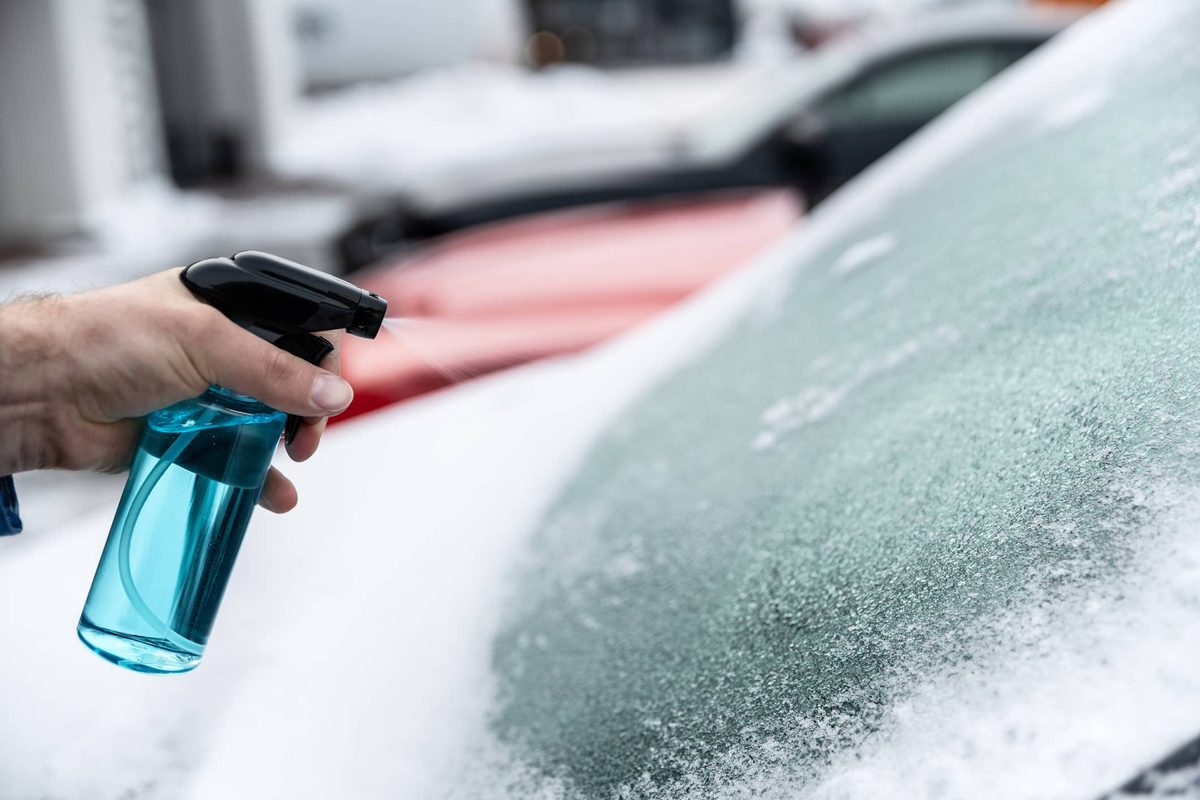
3. DIY De-Icing Spray
Commercial sprays are fine. But you can make a cheap, effective alternative at home. Mix water with rubbing alcohol (isopropyl alcohol) or white vinegar.
Alcohol lowers the freezing point of water. Spray this mixture on the glass before bed or first thing in the morning. It prevents thick ice formation and makes scraping significantly easier. The mixture won’t refreeze at typical winter temperatures.
4. Cover Your Windshield
Prevention is better than cure. Cover your windshield at night.
Use a specialized windshield cover. Or improvise with a large piece of cardboard, a tarp, or even a fitted sheet. This physical barrier stops moisture from settling and freezing onto the glass. You’ll save ten minutes of scraping every morning.
5. Keep a Canister in the Car
Keep a can of commercial de-icing spray in your glove box. These formulas are designed to melt ice quickly without damaging rubber seals or glass.
If you park outside overnight, or if you have to leave early when the sun hasn’t risen, this spray is a lifesaver. It melts the top layer of ice so you can clear it safely.
The urge to use hot water is strong. It feels like a shortcut. But the risk of a cracked windshield, refrozen glass, and unsafe driving conditions far outweighs the few seconds you might save.
Stick to the scraper. Use the defroster. Cover the glass. Your windshield will thank you. And so will your insurance premiums.
There are always new ways to freeze your car in winter. But there are only a few smart ways to unfreeze it. Stick to the ones that don’t break your glass.