Honda thinks its back. Big time. Or at least, the people paying their salaries think so.
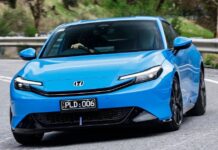
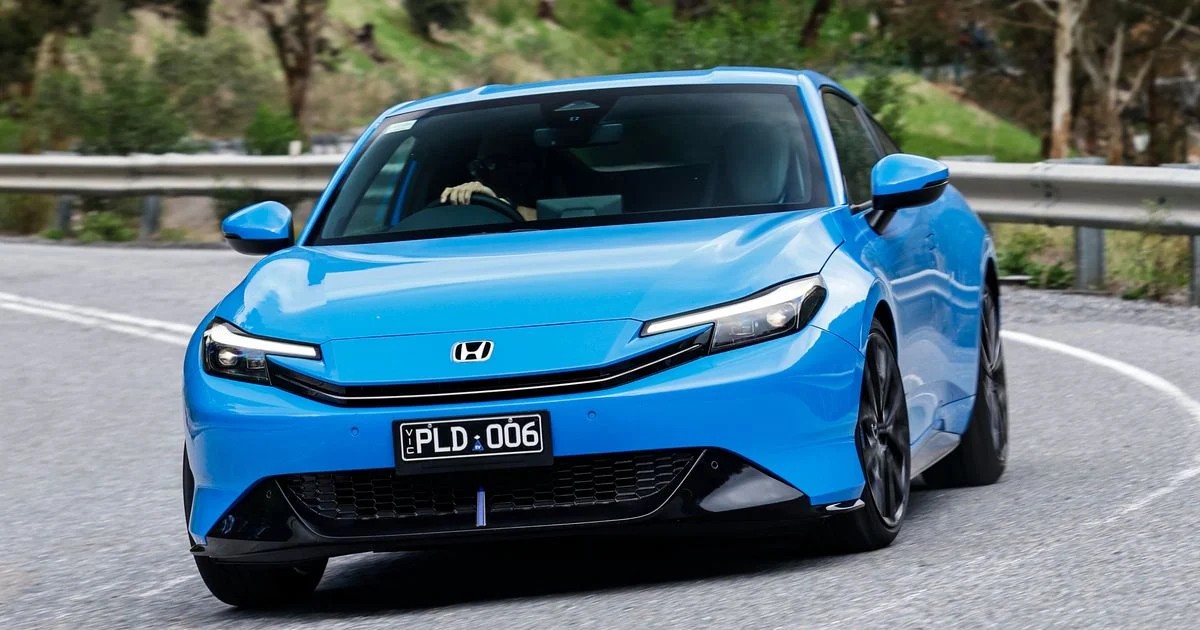
It is a bold claim. Then again, the car itself is bold. A sixth-generation Prelude. Two doors. 2+2 seating. A hybrid.
That should be the way it is. The Prelude was never just another Honda. It was the lab rat. The showcase. The one where they broke new ground because they could.
Look back. 1978. The original gave us the first power moonroof on a Honda. Generation three brought four-wheel steering. Fifth gen? Active Torque Transfer. Basically, torque vectoring before everyone else knew the words.
It sold well. People loved the tech. And then, in 2001. It vanished. Sales dropped. Silence followed. Until now.
Why bring it back?
Honda claims they didn’t plan to revive the name. Initially, it was just a project: make a new hybrid sports car for an electric era. A niche. Latent demand. The name Prelude was slapped on later. Once the shape formed.
Demand exists, we assume. Whether people actually buy it remains to be seen.
Does it earn the badge? We went to Adelaide. South Australia. Wet May morning. Cold. Not exactly track day conditions.
The decision to call it a Prelude came later.
How Much Is The Honda Prelude?
$65,000. Flat. Drive away.
It sits second in the Honda pecking order, right under the Civic Type R ($85,5k). In the broader Australian market, it lands in the weird middle.
Buy a Toyota GR86. Or a Subaru BRZ. Or a Mazda MX-5. All under $60k. But try to buy a Ford Mustang. Nissan Z. Or even a BMW 2 Series. That’ll run you at least $80k.
Honda mentioned the Mercedes-Benz CLA. The Porsche 911. At the launch. Reference points? Maybe. Aspirations? Certainly.
For perspective, the last Prelude sold here cost $50,208 in 2001? No wait. $50,20. Adjusted for inflation by the Reserve Bank? Just under $96k in today’s money. This feels cheaper. Or perhaps. Times change.
Inside The Honda Prelude
Innovative exterior. Interior? Familiar.
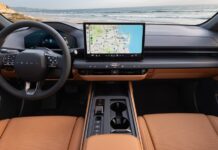
If you know a Civic or CR-V. You know this cabin. T-shaped dash. Screens. Physical buttons everywhere. It won’t scare a Civic owner.
But the window line. Low. Sloping. You are driving something special. Even if the plastics try to tell you otherwise.
The seats are the highlight. Navy blue leather mixed with white leatherette. Very un-Honda. Supportive. Sexy. Somewhere between a daily Civic and the hardcore TypeR.
They are also asymmetric. A neat trick. The driver gets firm support. The passenger gets soft comfort. Clever? Yes. Annoying that they are manual adjusters? Also yes.
No ventilation. No lumbar support. Just heating. Three stages of it. My ribs felt squeezed in the driver’s perch. The passenger seat needed more tilt at the base. But overall? Excellent driving position.
I am 185cm tall. Plenty of headroom. The steering wheel is thick. Leather quality is high. Paddles behind it. They click.
Then you look at the dash. The trim is… blotchy. They call it ‘leather-appointed’. It looks dirty out of the box. It will age poorly. Why not just use leather? Then the interior would feel expensive. As it is, it feels disjointed.
Compared to the GR86 or the MX-5 though. The Prelude feels better. More premium. Why?
Tactile controls. Rotary dials. Knurled rollers. Real switches that click. It’s satisfying.
The tech holds its own. Standard 9.0-inch touchscreen with Google Built-In. 10.2-inch digital gauge cluster. Wireless mirroring for phone apps. Two USB-C ports. Charging pad.
No Head-Up Display. Fine. It is $65k, not $95k. The rivals? The Nissan Z still needs a cable for CarPlay. None of them offer connected services like this. The Prelude wins on utility.
Storage is actually good. Glovebox. Door bins. Armrest cubby. Sunglasses tray. Much more practical than an MX-5.
The rear seats? Useless.
Trimmed in black cloth. Plain. Ugly against the fancy front seats. Clashing. Cramped. Small children only. Emergencies. Fold it flat.
Folded. You get 760 liters. Unfolded. 264. That is more space than many SUVs. The liftback hatch helps access. A huge win over every rival except the Nissan Z.
Livable? Almost the most livable two-door you can buy.
One caveat. No spare tire. Just a repair kit. If you nail a sidewall in the suburbs, you are stuck.
What’s Under The Hood?
Front-wheel drive. Four cylinders. Just like before.
Hybrid now. Sourced from the Civic hatch. A 2.0-liter Atkinson-cycle petrol engine. Mated to two electric motors.
Total output? 135kW. 315Nm torque. All going to the front axle.
There is no mechanical transmission. Real gears don’t exist here. Instead. ‘S+ Shift’. Software simulating eight gears. Paddle shifts mimic the feel. The computer fakes the RPM drop.
There is also Active Sound Control. Speakers in the cabin pump out artificial engine noise. Synced with RPM. Honda promises a ‘powerful’ sound. It sounds digital. Of course.
How Does It Drive?
We left the hotel in Adelaide traffic. Peak hour. Cold rain. Slippery roads.
Most sports cars hate this. The Prelude embraced it.
It is boringly efficient. The hybrid system whispers. Same as the Civic. Transitions between electric and petrol are invisible. Mostly.
Comfort mode makes it silent. Dials down the fake engine noise. Softens the suspension.
Speaking of suspension. It has hardware borrowed from the Civic Type-R. Dual-axis front struts. Adaptive dampers. This gives it an edge. The ride is actually good. It soaks up bumps. Vertical travel handles cracks. It sits between a soft sedan and a firm sportscar. Honda says it’s softer than the Type-R. Maybe.
But city driving is fun too. It is compact. It feels smaller than it is. Zippy around corners. Ducking. Weaving. The instant torque from the electric motor helps at low speeds.
Revving at red lights is pointless. You mash the throttle. In neutral. Nothing happens. No spool. No roar. Just silence. It wants you to be sensible.
And it rewards that. City consumption dropped below 4.0 liters per 100 kilometers. Less than your average electric scooter charging station footprint? No. But less than a Civic Hybrid? Hard to believe. And it runs on cheap 91 octane fuel.
You can play games with regen. Seven levels. Via paddles. Lift off the gas. Click the paddle. The car slows. Fast. It doesn’t feel like engine braking. It feels like magic. Or resistance. But it adds a layer of control most hybrids lack.
Is it perfect? No.
Rear visibility is trash. Blind spots everywhere. Lane changes require head-turning. Not just mirrors.
Tyre noise.
19-inch wheels. Continental MaxContacts. Loud. On smooth asphalt, it’s a rumble. On country roads. A roar. Coarse chips in the Adelaide Hills made it unbearable. You lose conversation. You lose peace. It undermines the Grand Tourer vibe.
Country roads also expose the suspension dilemma. Comfort mode feels floaty. Trampolines over long waves. Too soft.
Switch to GT mode.
This is the default. Dampers tighten. Steering gets heavier. Throttle response sharpens. Fake noise increases. It feels more connected. Open-road friendly.
The steering itself lacks feedback. Quick. Direct. But numb. You can’t feel the grip through the wheel. A modern EV disease. Even without an EV powertrain, it feels electric.
But the handling? Brilliant.
Adelaide Hills roads are winding. The Prelude carved them up. Unflappable. Light FWD car. Low center of gravity. Wide track. Wide tires. It turns in. Neutral balance through bends. No understeer. Despite 315Nm at the front. No torque steer either.
I tried to break it. Hard. Tracked on traction control. I threw the car sideways. I loaded it late. It just stuck. Grit and go.
You won’t understeer it out. You won’t torque steer it. You will just keep driving.
Stopping is also sorted. Brembo brakes. Massive rotors. Inspiring confidence? Yes