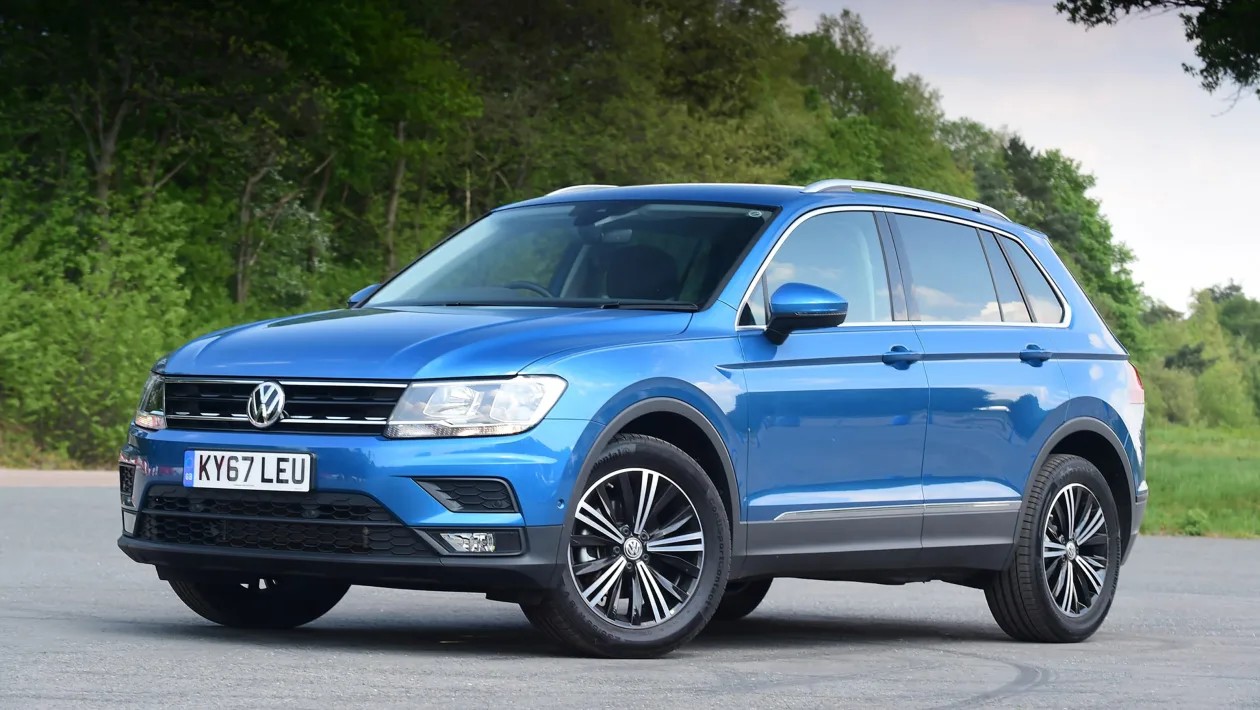
The Volkswagen Tiguan has become a dominant force in the compact SUV market. The Mk2 generation (2016-2024) saw sales steadily increase, eventually making it VW’s best-selling global model before being replaced in 2024. This success isn’t due to innovation, but rather VW’s consistent delivery of a reliable, user-friendly family vehicle. However, while the Tiguan is generally safe, owner feedback indicates reliability isn’t always guaranteed, making careful consideration important.
A Decade of Popularity
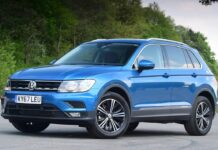
Since its UK debut over 16 years ago, the Tiguan has proven its value. The Mk2 arrived in 2016, followed by a seven-seat “Allspace” variant in 2018, expanding its appeal. Its success boils down to a formula that works: comfortable seating, versatile space, solid build quality, and fuel-efficient engines. This translates to a large used market with plenty of options.
Engine Options and History
The Mk2 launched in April 2016 with 2.0 TDI diesel (148bhp) and 2.0 TSI petrol (177bhp) engines. A 1.4 TSI petrol joined the lineup in July 2017, offering 124bhp and 148bhp versions. The 124bhp version was front-wheel drive manual only, while the 148bhp version had optional four-wheel drive and automatic transmission.
The Allspace arrived in January 2018, adding 215mm to the length for third-row seating. Engine choices included 1.4 TSI (148bhp), 2.0 TSI (177bhp), and 2.0 TDI (148bhp, 187bhp, or 237bhp). A higher-output 227bhp 2.0 TSI was added in January 2019, and the 1.4 TSI was replaced with more efficient 129bhp and 148bhp 1.5 TSI engines (front-wheel drive only). The Mk2 was discontinued in 2024 with the launch of the current generation.
Used Market Prices
As of today, used Mk2 Tiguans range from around £14,000 to £35,000, depending on age, mileage, and trim. This makes them an accessible option for buyers seeking a well-rounded SUV without breaking the bank.
Which Tiguan Should You Buy?
The base 1.4 TSI 125 is adequate for casual drivers, but the 148bhp version offers better performance without significant fuel economy loss. For towing or challenging conditions, opt for a four-wheel-drive 4MOTION with the DSG automatic transmission for smoother driving.
Trim levels matter. The entry-level S offers basic features like air conditioning and an 8-inch touchscreen. The SE (or Match from 2019) adds alloy wheels, Apple CarPlay/Android Auto, cruise control, and climate control. Higher trims (SEL, R-Line) include features like LED headlights, heated seats, and panoramic roofs.
Alternatives
The Tiguan competes with its VW Group siblings – the SEAT Ateca and Skoda Karoq – all sharing similar engines and build quality. Audi’s Q3 offers a more premium experience, but none offer a seven-seat option like the Allspace. The Mercedes GLC, BMW X1, and Range Rover Evoque provide luxury alternatives. If space is paramount, the Land Rover Discovery Sport or Peugeot 3008 are worth considering. The Mazda CX-5 stands out for its driving dynamics and cabin quality.
Key Checks Before Buying
- Spare Wheel: Some models have a space-saver spare, while others use run-flat tires.
- Safety Features: The pop-up hood for pedestrian protection can require a $400 reset if triggered.
- AEB Sensitivity: The autonomous emergency braking system can be overly sensitive, a common complaint.
- Wheel Size: Larger wheels (19-inch) on some trims can negatively impact ride quality.
- Recalls: The Tiguan Mk2 has been subject to 16 recalls, including issues with child locks, seatbelts, headlights, and even fuel tanks. Verify that any necessary repairs have been completed.
Owner Feedback
Driver Power surveys reveal mixed owner satisfaction. While owners praise the Tiguan’s comfort, storage space, and rear legroom, they also cite poor ride quality (especially with larger wheels), complicated infotainment, and reliability concerns. Some owners report unresolved rattles and electrical faults.
Volkswagen Tiguan: What Experts Say
Since its introduction, the Tiguan has proven itself a solid performer rather than a scintillating showstopper. It’s good at many of the things that matter most: interior space, build quality, and up-to-date tech. While it lacks some personality, its success proves it ticks a lot of boxes.
Performance and MPG
The 148bhp 2.0 TDI with a manual gearbox offers the best balance of economy and performance, achieving up to 54.3mpg and emitting 136g/km of CO2. The plug-in hybrid delivers around 7.5 seconds for the 0-62mph sprint. The high-performance Tiguan R achieves 0-62mph in just 4.9 seconds, but sacrifices efficiency.
Conclusion: The used Volkswagen Tiguan Mk2 remains a compelling option for buyers seeking a practical, well-built SUV. However, potential owners should research thoroughly, inspect carefully for reliability issues, and consider alternatives if absolute dependability is a top priority.