




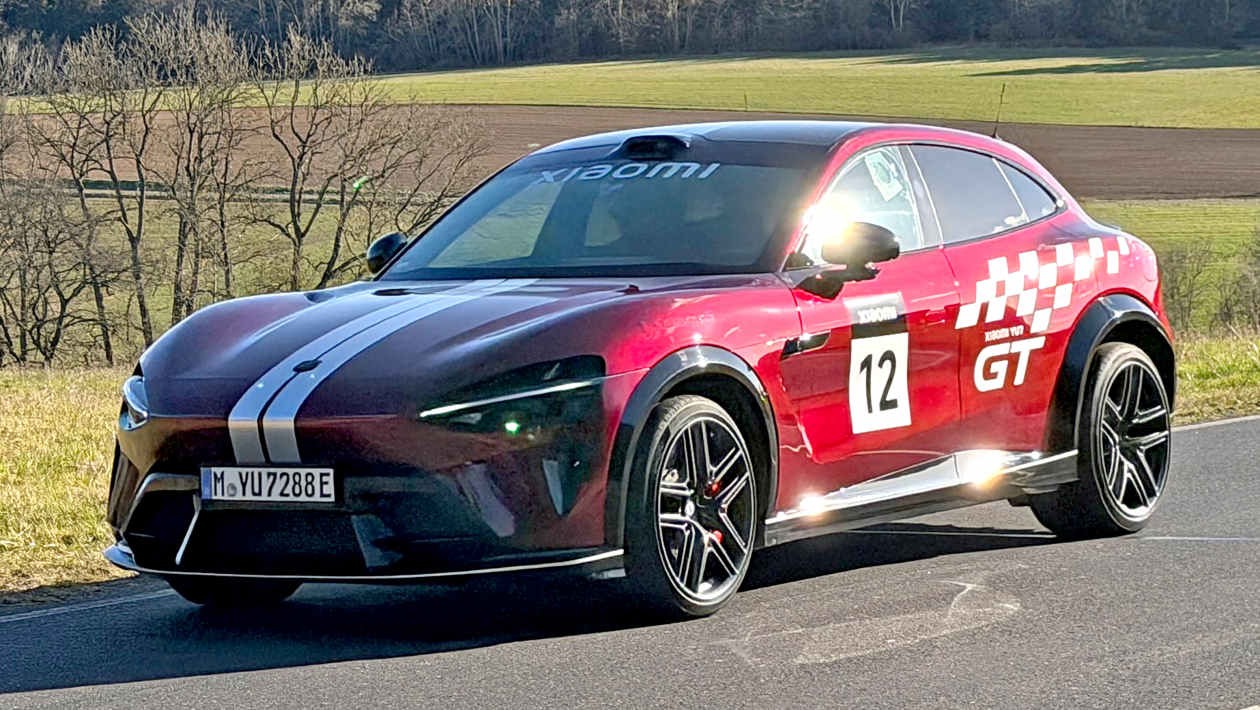
Xiaomi is moving aggressively beyond consumer electronics and into the high-performance automotive sector. Recent sightings of the YU7 GT undergoing testing at the Nürburgring suggest that the Chinese tech giant is not just entering the electric vehicle (EV) market, but is aiming directly for the top tier of performance enthusiasts.
Extreme Power at a Competitive Price
The YU7 GT is a high-performance variant of Xiaomi’s existing YU7 mid-size electric SUV. While the standard model is designed for family utility, the GT version is engineered for extreme speed.
Key technical specifications expected for the YU7 GT include:
* Tri-motor powertrain: Estimated to produce approximately 1,526bhp, rivaling the performance of top-tier models from Ferrari and Porsche.
* Battery technology: Likely to utilize a 93.7kWh battery, similar to the Xiaomi SU7 saloon.
* Targeted Market: While luxury rivals like the Ferrari Purosangue command prices well above £130,000, Xiaomi is expected to position the YU7 GT at a significantly more accessible price point, competing instead with high-end versions of the Porsche Macan, Polestar 3, and Alpine A390.
Engineering for the Track
To manage such immense power, Xiaomi is implementing sophisticated chassis and aerodynamic upgrades. The car is not merely about straight-line speed; it is being built to handle the rigors of high-speed driving through advanced mechanical components.
Handling and Braking
The vehicle is expected to feature a comprehensive suite of performance technologies, including:
– Air suspension and active ride stabilization.
– Power torque vectoring on the rear axle to improve cornering precision.
– Brembo carbon-ceramic brakes, paired with regenerative braking, to manage the heat and mass of a high-performance SUV.
Aerodynamics and Design
Visually, the YU7 GT is significantly more aggressive than its predecessor. To optimize airflow and cooling, the design includes wider wheel arches, 21-inch wheels, and an open front end. The aerodynamic package is rounded out by a large rear diffuser, side skirts, and a dual-spoiler setup (a rear lip spoiler combined with an upper wing) to maintain stability at high speeds.
Why This Matters: The Tech-to-Auto Shift
The emergence of the YU7 GT highlights a broader trend in the automotive industry: the rapid ascent of Chinese manufacturers leveraging software and battery expertise to challenge established European luxury brands.
Xiaomi’s transition from a smartphone manufacturer to a serious automotive contender is a significant shift. By offering “supercar-level” performance at a price point closer to mainstream premium EVs, Xiaomi is utilizing a disruptive pricing strategy. If the YU7 GT delivers on its performance promises, it could serve as a pivotal model in convincing global consumers that Chinese tech-driven brands can compete with the heritage and engineering of traditional luxury automakers.
The YU7 GT represents Xiaomi’s attempt to bridge the gap between mass-market utility and elite supercar performance, potentially redefining the value proposition of the high-end electric SUV.
In summary, the Xiaomi YU7 GT aims to combine extreme tri-motor power with advanced aerodynamics to challenge established luxury brands, offering high-performance electric driving at a much more competitive price point.