



While the “Big Three” American automakers—General Motors, Ford, and Stellantis—face massive financial setbacks due to shifting electric vehicle (EV) strategies, executive compensation remains on an upward trajectory. Despite billions of dollars in write-downs and strategic pivots, top leadership at these firms continues to secure multi-million dollar paydays.
General Motors: Record Pay Despite $7.9 Billion EV Hit
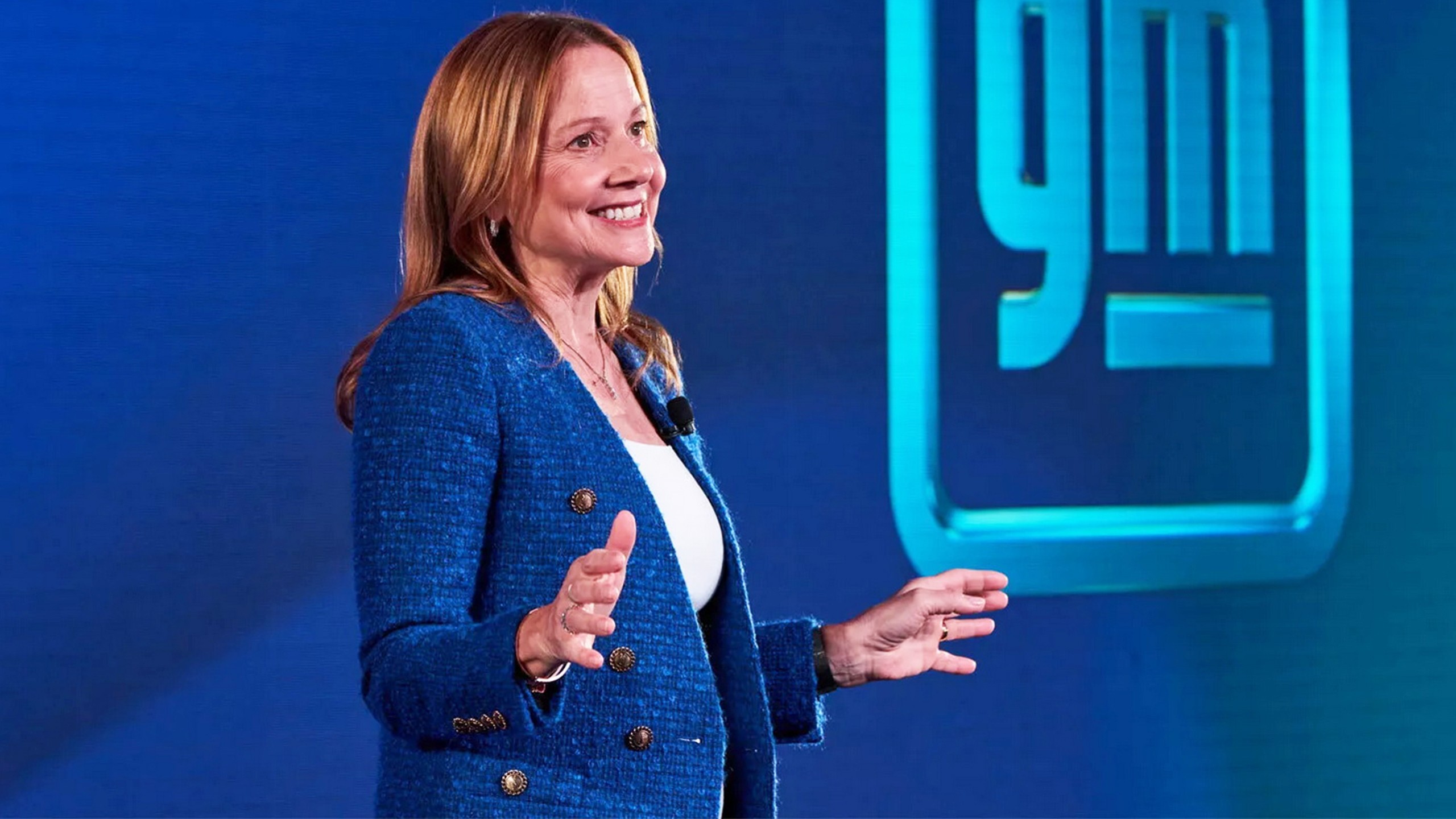
General Motors is currently navigating a difficult transition in its electrification strategy. The company expects to take a roughly $7.9 billion hit related to scaled-back EV spending. However, this financial setback has not resulted in a reduction in executive compensation.
According to recent regulatory filings, CEO Mary Barra earned $29.9 million last year, representing a 1.4% increase over the previous year. Her compensation package is structured as follows:
– Base Salary: $2.1 million
– Stock Awards: $21.6 million (an 11% increase)
– Non-equity Incentives: ~$5 million (a 26% decrease)
While Barra’s pay is substantial, she was not the highest-paid executive at the company last year. Chief Product Officer Sterling Anderson received $40.3 million, largely driven by a significant hiring bonus following his move from the self-driving startup Aurora Innovation. Other top executives also saw increases, with President Mark Reuss earning $19.3 million and CFO Paul Jacobson earning $13.8 million.
Ford: Shifting Targets and Rising Rewards
Ford’s situation presents a different, yet equally striking, paradox. Last year, the automaker reported an $8.2 billion loss —its worst performance since 2008—and announced $19.5 billion in write-offs as it overhauled its EV approach.
Despite these losses, CEO Jim Farley’s compensation rose 11% to $27.5 million. This increase was facilitated by a strategic shift in how performance is measured:
– Metric Changes: Previously, bonuses were tied specifically to EV sales performance.
– The Pivot: The company expanded the criteria to include all “electrified” vehicles, such as hybrids.
– The Result: By including hybrids in the calculation, Ford met its electrified sales targets, triggering higher bonus payouts.
Ford defended the compensation package by pointing to a 42% total shareholder return (including dividends) that outperformed many market peers, as well as record revenue. The company also noted that unexpected costs, such as tariffs, were not factored into the bonus calculations.
The Growing Disconnect in the Auto Industry
The financial results of these companies highlight a broader trend in the automotive industry: the “EV honeymoon” has ended, replaced by a more complex reality of high costs and fluctuating consumer demand.
This creates a significant tension between corporate performance and executive accountability. When companies face multi-billion dollar write-downs due to strategic miscalculations or market shifts, the decision to increase executive pay—often by adjusting the metrics used to define “success”—raises critical questions about how corporate leadership is incentivized and whether those incentives align with the long-term interests of shareholders.
As automakers pivot from pure EV ambitions toward hybrid models to mitigate losses, the definitions of “success” used to calculate executive bonuses are evolving alongside their business strategies.
Conclusion
Despite massive financial losses and multi-billion dollar write-downs caused by the volatile transition to electric vehicles, top executives at GM and Ford have seen their compensation rise through strategic shifts in performance metrics and stock awards.