


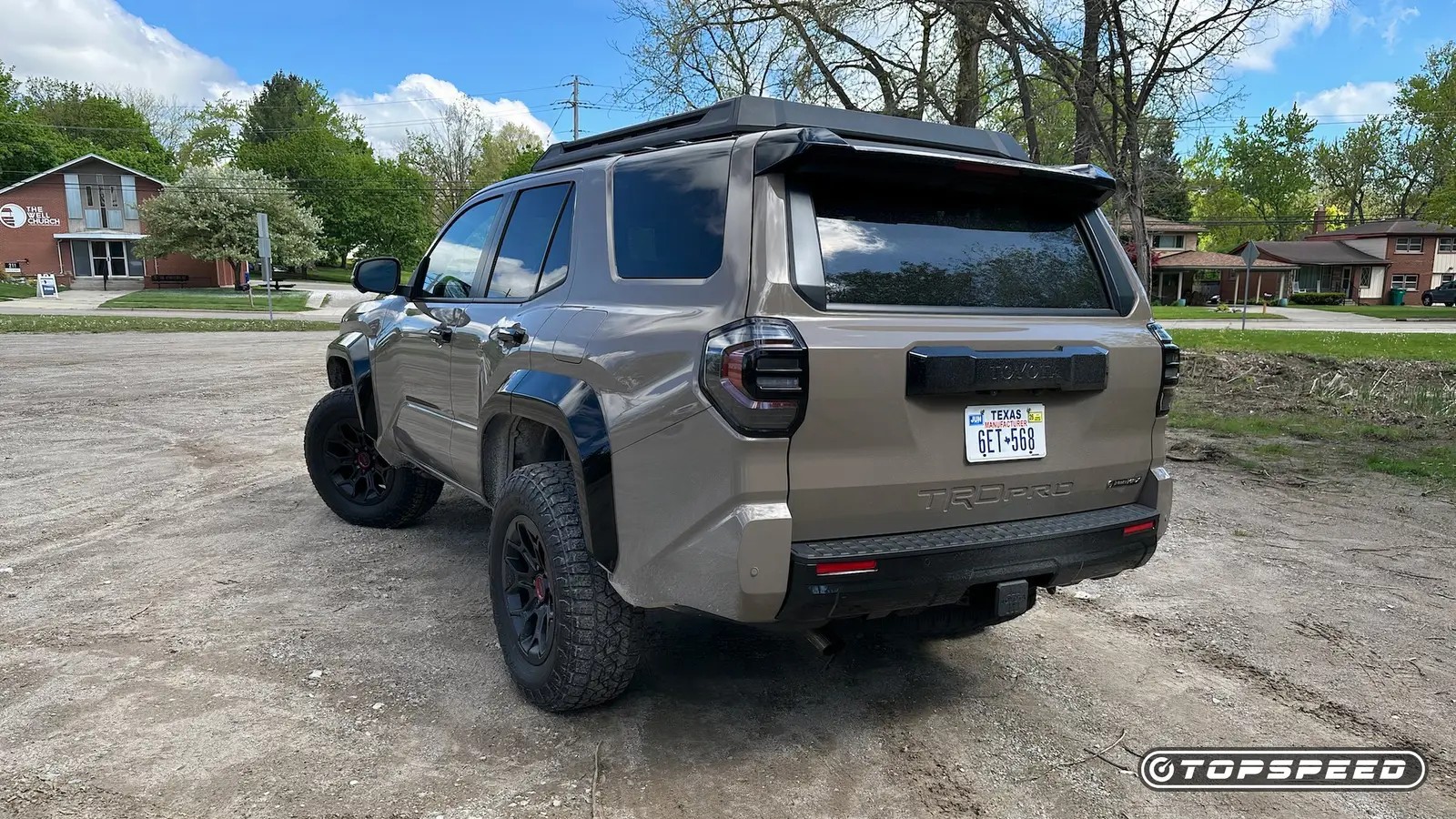
Toyota’s 4Runner SUV is experiencing an unprecedented sales boom, with February 2026 numbers showing a staggering 683.3% increase compared to the same month last year. This dramatic jump isn’t just a statistical quirk; it reflects a broader trend of consumers valuing durability, capability, and long-term reliability in an increasingly uncertain market. The 4Runner has always been known for its ruggedness, but the latest generation is finally translating that reputation into mainstream appeal.
The 4Runner’s Enduring Appeal
For decades, the Toyota 4Runner has been a favorite among those who prioritize longevity over fleeting trends. Many older models still on the road today exceed 300,000 miles with minimal maintenance, making it a standout in terms of resale value. The current sixth-generation 4Runner builds on this legacy with a redesigned structure and improved technology, yet maintains the core principles that have defined the model for years: a robust steel frame and rigorous testing.
This is crucial because many modern SUVs prioritize comfort and style over true durability. The 4Runner’s reputation for reliability offers a sense of security in a world where planned obsolescence is common. The sheer longevity of earlier generations has fostered a loyal customer base eager to upgrade to the newer, more refined model.
Sales Figures: A Clear Trend
Toyota sold 10,151 4Runners in February 2026, up from a historically low base the previous year during the transitional period between model generations. Year-to-date sales are even more striking, with a 1,334% increase, totaling 20,864 units sold so far in 2026. The 2025 numbers saw 98,805 copies sold, a dramatic shift from previous years.
These figures are not simply about hype; they reflect pent-up demand. Consumers were willing to wait for the redesigned model, and now, dealerships are struggling to keep up with orders.
Trim Levels and Pricing
The 2026 4Runner comes in nine distinct trims, ranging from the base SR5 ($41,870) to the high-end TRD Pro ($68,200). The lineup offers a mix of features, from standard wireless Apple CarPlay to advanced off-road suspension systems.
- SR5: Entry-level with basic tech and optional third-row seating.
- TRD Sport: Sport-tuned suspension and 20-inch wheels.
- TRD Off-Road: Locking rear differential, multi-terrain select, and crawl control.
- TRD Pro: Fox QS3 shocks, performance exhaust, and exclusive interior.
- Trailhunter: Factory-installed ARB roof rack, air compressor, and Old Man Emu shocks.
The wide range of options allows buyers to customize the 4Runner to their specific needs, from daily commuting to extreme off-roading.
Powertrain Options for Modern Performance
The 2026 4Runner is powered by turbocharged 2.4-liter four-cylinder engines, available in two configurations:
- i-Force: 278 horsepower, 317 lb-ft of torque.
- i-Force Max Hybrid: 326 horsepower, 465 lb-ft of torque.
Both engines are paired with an eight-speed automatic transmission, and the hybrid version delivers improved fuel efficiency and low-end torque. The 4Runner also boasts a 6,000-pound towing capacity, making it a versatile choice for both work and play.
Reliability and Value Retention
The 4Runner consistently scores high in reliability ratings. iSeeCars awards the model an 8/10 overall score, with 8.1/10 for reliability and 8.9/10 for retained value. Owners can expect an average lifespan of 14.2 years or 195,788 miles, with a 47.8% probability of exceeding 200,000 miles.
Over five years, the 4Runner loses only 25.4% of its value, significantly less than most competitors. This makes it a smart long-term investment, appealing to buyers who prioritize holding onto their vehicles for extended periods.
The resurgence of the Toyota 4Runner underscores a growing consumer preference for rugged reliability over disposable trends. The SUV’s enduring legacy, combined with the latest generation’s improvements, has turned it into one of the most sought-after vehicles on the market.