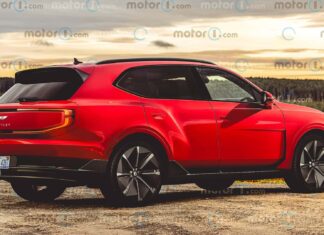

Porsche’s CEO, Michael Leiters, has confirmed the development of a new gasoline-powered SUV set to arrive in 2028. This move comes after the discontinuation of the first-generation Macan in 2024 due to updated cybersecurity regulations, leaving a significant gap in Porsche’s lineup.
Platform Sharing, But Not a Simple Copy
The new crossover will share its underpinnings with the Audi Q5, a decision that has prompted questions about whether it will be little more than a rebadged version. Leiters has been firm: this won’t be a simple rebadge. Porsche will invest in unique technologies and features to ensure the vehicle lives up to the brand’s identity.
“We have to make sure that this is a real Porsche… This needs some content, some product substance, some technology, which is new on this car.”
€1 Billion Licensing Deal with Audi
Porsche will pay Audi a one-time license fee of €1 billion, but the deal isn’t limited to just the Macan replacement. The agreement covers multiple collaborative projects between the two Volkswagen Group brands, including potential partnerships on future models. This includes development of the Porsche 718 Boxster/Cayman EVs and the Audi Concept C, which is confirmed for production next year.
Expanding the Lineup
Beyond the Macan replacement, Porsche is also considering a larger three-row SUV based on the Audi Q9 platform, initially planned as an EV but now slated for a combustion engine launch first. Rumors also point toward a hypercar positioned above the 911 and potential consolidation of the Taycan and Panamera models.
Navigating Market Trends
The decision to recommit to internal combustion engines, particularly in SUVs, may seem counterintuitive given the global push toward EVs. However, Porsche acknowledges the continued demand for high-performance gas models, especially in markets like China, where sales have slowed. The new Macan replacement is critical to regaining volume.
In conclusion, Porsche is strategically leveraging platform sharing while reinforcing its brand identity through unique engineering. The move to revive gas-powered SUVs demonstrates the company’s flexibility in navigating shifting market trends. Whether this strategy will reverse sales declines in key markets remains to be seen, but Porsche is betting on the enduring appeal of its ICE models.