


In an era where luxury cars are increasingly becoming high-speed computers on wheels, a quiet revolution is taking place. For the past decade, the automotive industry has chased two dominant trends: “Performance Luxury” (aggressive handling and speed) and “Digital Luxury” (massive touchscreens and minimalist, smartphone-like interfaces).
However, a significant segment of buyers is pushing back. For the luxury traditionalist, a car is not a gaming console or a track weapon; it is a sanctuary. This group values isolation from the world, tactile craftsmanship, and an effortless driving experience over digital spectacle.
The Sensory Void of the Digital Age
The shift toward “Digital Luxury” has created what can be described as a sensory void. While wraparound screens and haptic feedback are impressive feats of engineering, they often come at the expense of physical connection.
Modern interiors frequently replace knurled metal knobs and weighted switches with layers of software menus. This transition sacrifices “depth” for “minimalism.” Where traditional luxury is defined by visceral textures—the scent of real leather, the coolness of metal, and the thrum of a large engine—modern luxury often feels sterile and overly automated.
The Genesis G90: A Case Study in “Quiet Luxury”
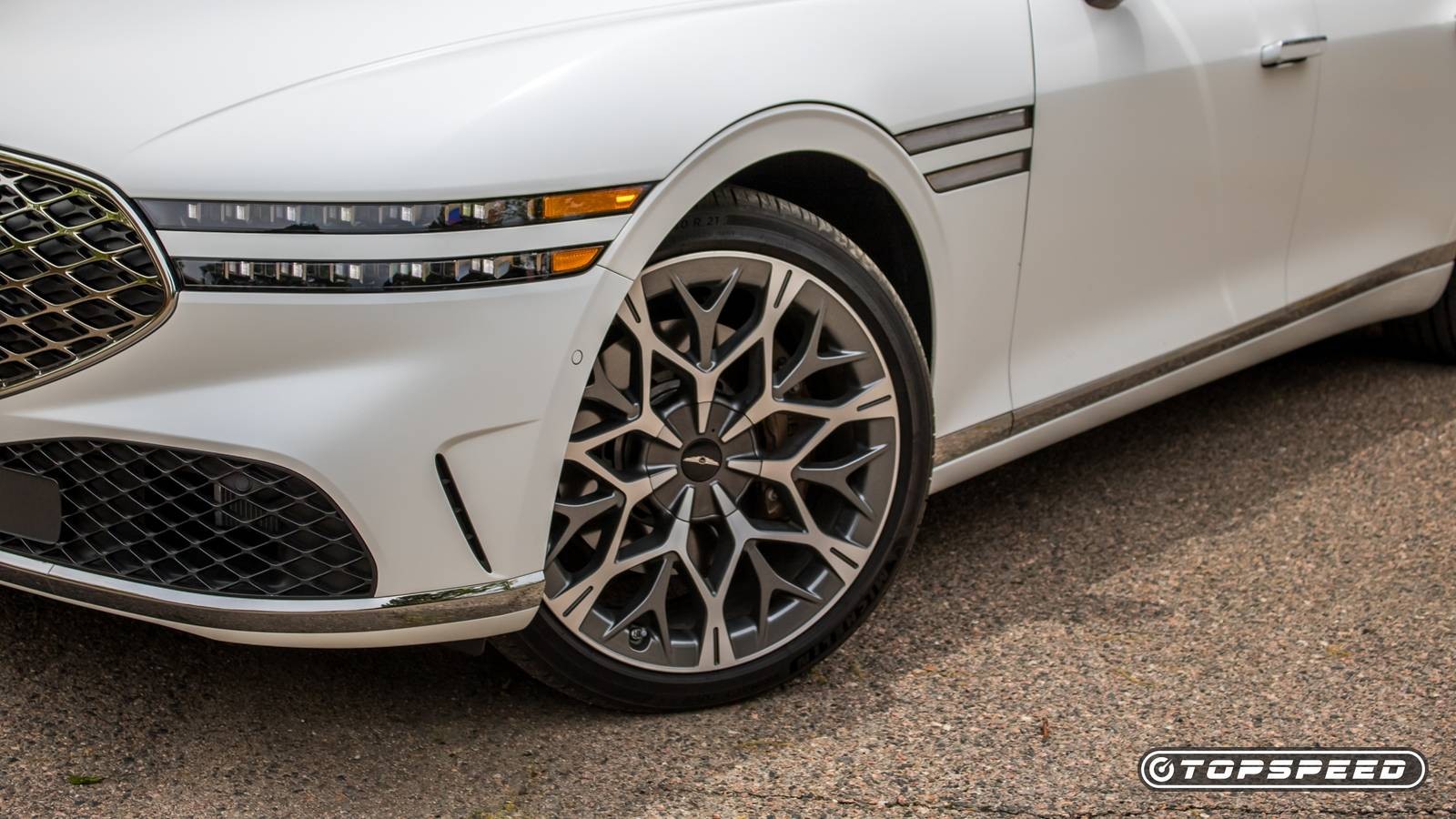
The 2026 Genesis G90 has emerged as a standout player by leaning directly into this traditionalist void. Rather than competing in the “arms race” of Nürburgring lap times or electric acceleration, the G90 focuses on the fundamentals of prestige.
1. Design with Presence, Not Aggression
Unlike European competitors that often favor aggressive, “haute couture” styling with sharp angles and vents, the G90 utilizes “quiet luxury.” Its design is characterized by elegant, sweeping curves and a substantial silhouette that conveys status without shouting for attention.
2. Effortless Power vs. Raw Speed
The G90’s powertrain is engineered for progressive smoothness rather than neck-snapping jolts. Its modern V-6 is tuned to mimic the seamless, bottomless reserve of power found in classic V-8 engines. The goal isn’t to raise the driver’s adrenaline, but to lower their blood pressure.
3. Tactile Integrity
Inside the cabin, Genesis has resisted the urge to strip away all physical controls. While it incorporates advanced technology, it maintains a sense of physicality :
– Material Depth: Layers of wood, metal, and leather serve as foundations rather than mere accents.
– Physical Interaction: Buttons and switches remain prominent, allowing for intuitive use without navigating complex menus.
– Isolation: The cabin is designed to be a silent, curated environment, prioritizing acoustic and visual calm.
Benchmarking the Competition
The G90 manages to straddle the lines of its most formidable rivals by cherry-picking their best traditional attributes:
- The Mercedes-Benz S-Class Standard: Like the S-Class, the G90 utilizes sophisticated suspension technology (such as multi-chamber air suspension) to achieve a “flat,” smooth ride that absorbs imperfections before they reach the passenger.
- The BMW 7 Series Experience: While the BMW has pivoted toward massive screens and rear-seat entertainment “spectacles,” the G90 focuses on the comfort of the ride, offering deeply cushioned, multi-functional seating that prioritizes relaxation over digital engagement.
The Broader Landscape
The G90 is not alone in its philosophy, though it is perhaps the most cohesive modern example. Other vehicles maintain these traditional threads in different ways:
– The Lexus ES: A long-standing favorite for those seeking a “cloud-like” ride and exceptional cabin insulation, even as it moves toward electrification.
– The Lincoln Navigator: Though an SUV rather than a sedan, it carries the spirit of the classic “American Land Yacht,” prioritizing expansive space, warmth, and effortless power.
Conclusion
The rise of the Genesis G90 proves that luxury does not need to be loud or technologically aggressive to be effective. By prioritizing craftsmanship, comfort, and effortless performance, the automotive industry is finding that there is still a profound, enduring demand for the car as a silent sanctuary.