The premium compact executive segment is about to undergo a massive transformation. As the automotive industry shifts toward total electrification, two of Germany’s biggest rivals are preparing to clash. With official unveilings just weeks away, details regarding the new Mercedes C-Class Electric are emerging, setting the stage for a high-stakes showdown against the upcoming BMW i3.
Both vehicles are expected to hit the market by the end of 2026, marking a pivotal moment where traditional luxury saloons transition into high-tech electric powerhouses.
Design: A Blend of Tradition and Modernity
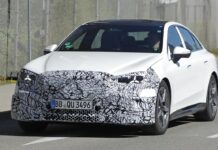
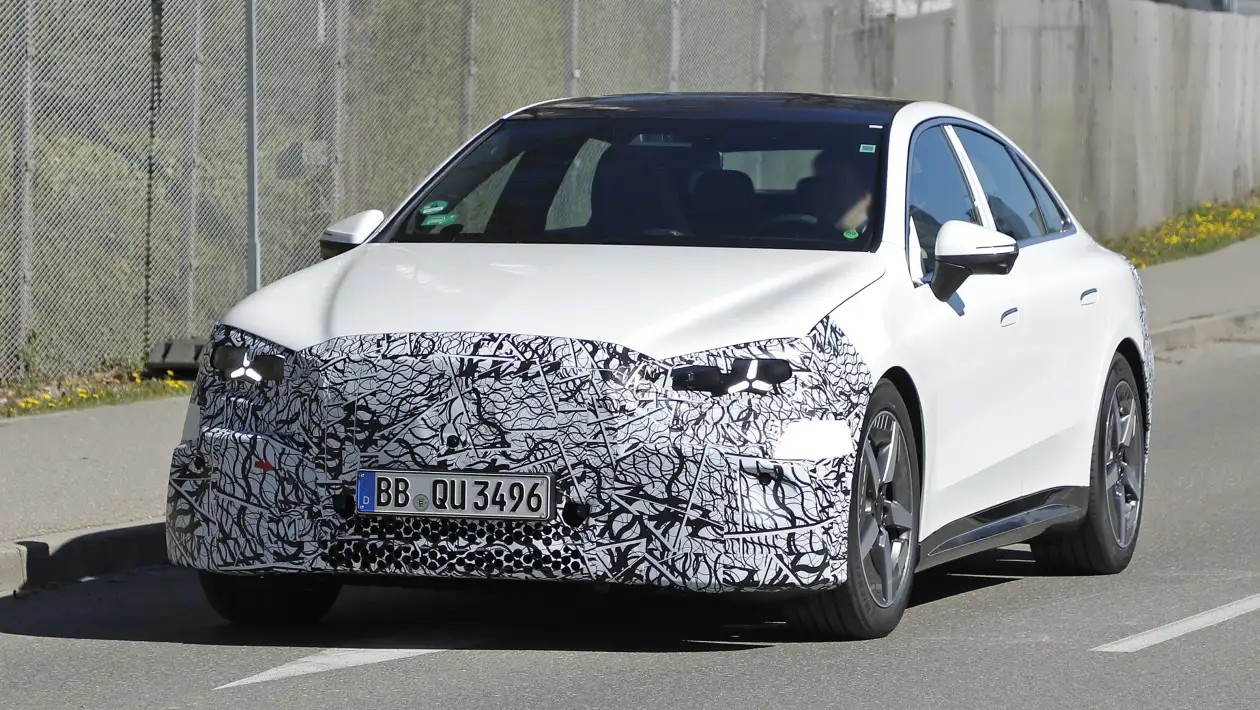
Recent spy shots of the C-Class Electric reveal a design language that balances Mercedes’ new “EQ” aesthetic with more traditional proportions. Unlike the larger, more experimental EQE and EQS models, the C-Class Electric appears more grounded.
- Exterior Profile: The car features a longer, taller bonnet and a “fastback” roofline that tapers into a shorter rear end. Notably, it will use traditional framed doors rather than the frameless units seen on larger Mercedes models, suggesting a focus on refinement and cabin noise reduction.
- Visual Identity: The front end is expected to be dominated by a large, illuminated grille—a signature of the new GLC Electric—with headlights that integrate the iconic three-pointed star motif.
- Interior Layout: Drawing heavily from the current GLC, the cabin will be a digital powerhouse. Mercedes is offering a massive 39.1-inch edge-to-edge touchscreen that combines the driver’s cluster, central infotainment, and a dedicated passenger display into one seamless unit.
Performance and Charging: The Race for Range
While Mercedes is leaning into high-end technology, BMW currently holds the upper hand in raw efficiency numbers. This comparison highlights a growing trend in the EV market: the battle between charging speed and total range.
| Feature | Mercedes C-Class Electric (Est.) | BMW i3 (Confirmed) |
|---|---|---|
| Max Range | ~450–470 miles | ~564 miles |
| Fast Charging | Up to 330kW (800V architecture) | Up to 400kW |
| Charging Speed | 10% to 80% in ~22 mins | Rapid DC charging |
Mercedes aims to compete by offering a superior driving experience through advanced chassis technology. While BMW focuses on maximizing mileage, Mercedes plans to offer air suspension, rear-wheel steering, and high-definition digital headlights —features that may appeal more to driving enthusiasts and those seeking a “luxury-first” feel.
The Market Context: Why This Matters
The rivalry between the C-Class and the 3 Series (now represented by the i3) is one of the most storied in automotive history. This electric iteration is more than just a change in fuel source; it is a fight for dominance in the “compact executive” category, which is increasingly becoming the preferred choice for professionals who want luxury without the massive footprint of an SUV.
However, there is a strategic gap in the Mercedes lineup: while BMW is expected to offer a “Touring” (estate/wagon) version of the i3, Mercedes appears to be sticking strictly to the saloon body style. This leaves a significant opening for BMW to capture the premium family market that requires more versatile cargo space.
Conclusion
The battle between the Mercedes C-Class Electric and the BMW i3 will be decided by whether buyers prioritize cutting-edge driving dynamics and interior tech or unrivaled range and versatility. By late 2026, the winner of this duel will likely set the standard for the next generation of luxury electric vehicles.