



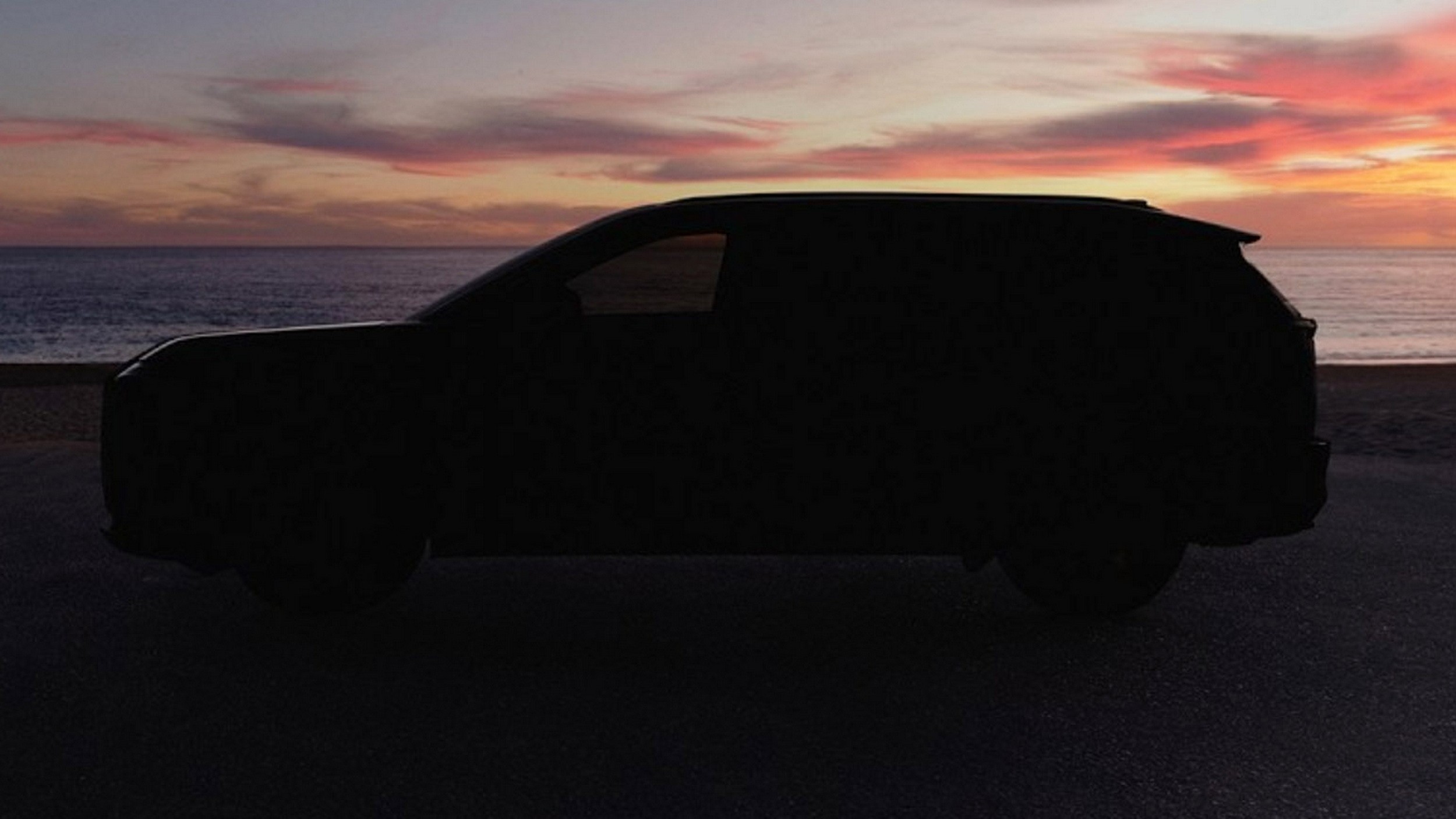
Lexus has officially confirmed the imminent arrival of a new electric SUV, scheduled for a global reveal on May 6. While the automaker has kept the specific nameplate under wraps, industry consensus strongly points to the Lexus TZ. This vehicle is expected to serve as the zero-emission counterpart to the current Lexus TX, leveraging a shared platform with the upcoming 2027 Toyota Highlander EV.
This launch marks a strategic pivot for Lexus, aiming to capture a growing segment of luxury buyers seeking electric mobility without sacrificing brand prestige. By building on a mass-market Toyota foundation but elevating the design and materials, Lexus is attempting to justify a premium price tag in a crowded market.
Design: Distinctive Identity on a Shared Skeleton
Initial teasers suggest that while the Lexus TZ will share its core architecture with the Toyota Highlander EV, it will wear a distinctly more upscale exterior. The silhouette hints at the familiar proportions of the Highlander, but with a roofline that tapers more aggressively toward the rear, lending a sleeker, more dynamic profile.
Key design elements expected on the TZ include:
– Rugged Aesthetics: A hood and front fascia that borrow cues from the rugged Lexus GX, giving the SUV a commanding presence.
– Advanced Lighting: Split LED headlights and a new lighting signature designed to stand out at night.
– Refined Bodywork: Sculpted doors, toned fenders, and large alloy wheels that enhance its luxury appeal.
– Signature Grille: A covered version of Lexus’s iconic single-frame grille, adapting the brand’s heritage for an electric era.
Despite these upgrades, some structural elements, such as the greenhouse shape and door handles, appear to carry over directly from the Toyota sibling, signaling a cost-effective approach to platform sharing.
Interior: Luxury Meets Practicality
Inside, the cabin is expected to undergo a significant transformation to align with Lexus’s reputation for premium craftsmanship. While certain components—most notably the 14-inch infotainment screen—will likely be shared with the Toyota model, the surrounding materials, trim, and acoustic insulation will be upgraded to meet Lexus standards.
The vehicle is anticipated to offer a three-row layout, potentially featuring a six-seat configuration. This setup prioritizes passenger comfort and space, positioning the TZ as a family-friendly luxury SUV capable of competing with larger rivals.
Powertrain and Performance
Lexus filed trademarks for the TZ450e and TZ550e back in 2023, indicating two distinct powertrain options. These designations suggest a focus on efficiency and performance, likely mirroring the specifications of the Toyota Highlander EV:
- Drivetrain Options: Both front-wheel drive (FWD) and all-wheel drive (AWD) variants are expected.
- Power Output: The FWD model is rated at approximately 221 hp, while the AWD version boosts output to 338 hp.
- Battery and Range: Buyers can choose between a base 77 kWh battery and a larger 95.8 kWh pack. The larger battery is expected to deliver up to 320 miles (515 km) of range on a single charge.
The vehicle will ride on a modified version of Toyota’s TNGA-K architecture, measuring approximately 5,050 mm (198.8 inches) in length with a wheelbase of 3,050 mm (120.1 inches). This footprint provides ample interior space while maintaining manageable exterior dimensions for urban driving.
Market Positioning and Competition
The Lexus TZ enters a highly competitive segment, going head-to-head with established players such as the Kia EV9, Hyundai Ioniq 9, and Volvo EX90. These rivals offer robust electric performance, advanced technology, and strong brand loyalty.
Pricing will be the key differentiator. Given that the