

For years, the large SUV market has been dominated by gasoline engines due to the limitations of early electric vehicle (EV) technology. Families needing space and range often had no real EV alternative. Now, Hyundai is poised to disrupt that with the Ioniq 9, a purpose-built electric SUV that directly addresses those needs. This isn’t just a bigger EV; it’s a fundamental shift in how large SUVs are designed, priced, and experienced.
Rethinking Three-Row Electric Packaging
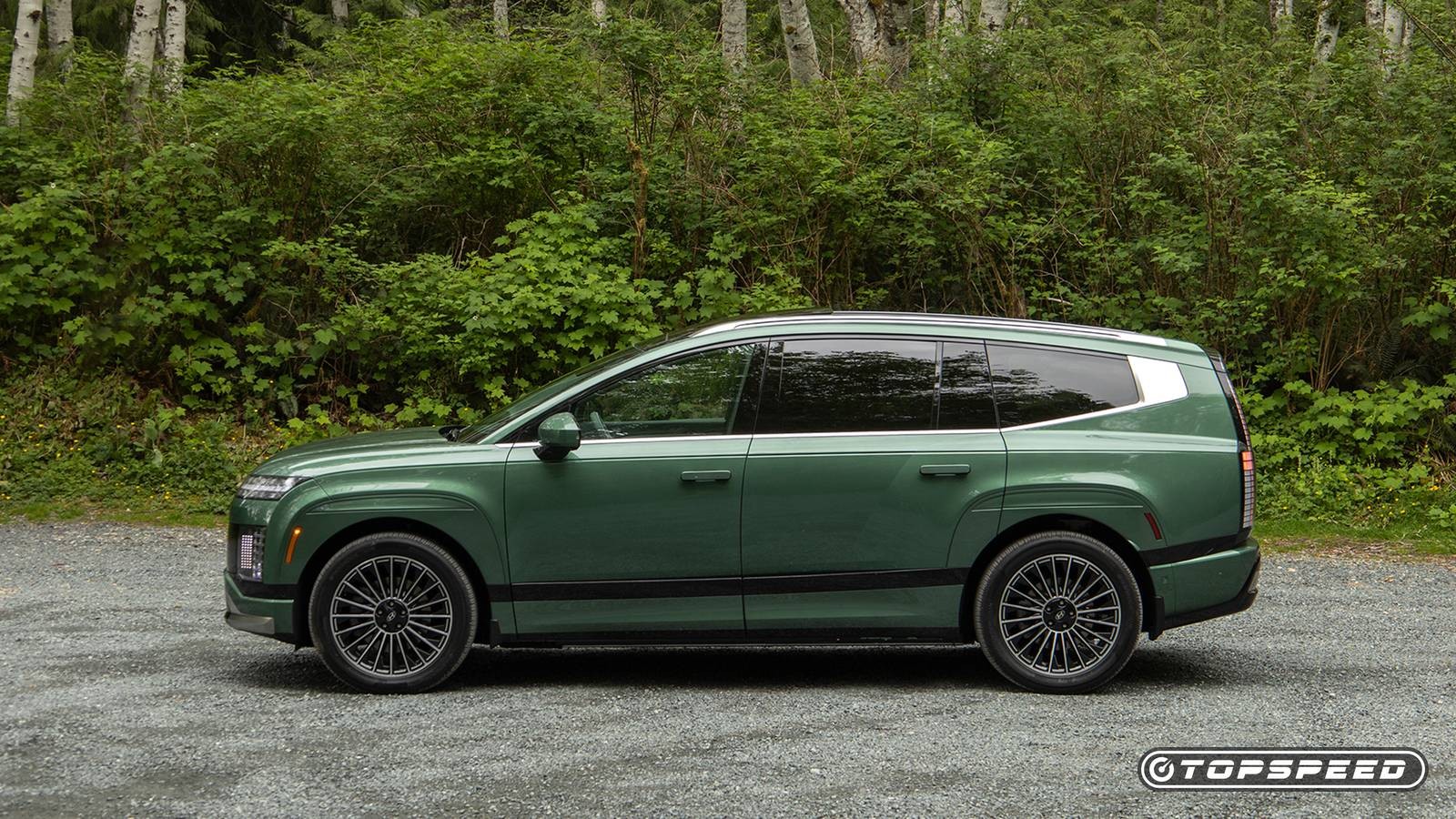
The Ioniq 9 leverages Hyundai’s dedicated E-GMP platform to maximize interior space. Unlike adapted combustion-engine SUVs, this vehicle is designed from the ground up around a flat battery floor, creating a truly usable three-row layout. At nearly 200 inches long, it offers genuine third-row seating and substantial cargo capacity—even with all seats in use.
The interior is designed for comfort, featuring sliding center consoles, reclining seats, and ample USB-C charging ports. The lack of a transmission tunnel creates a flat floor, maximizing legroom. Hyundai’s focus on sustainable materials and minimalist design further elevates the experience, making it feel more like a premium lounge than a typical SUV. This thoughtful packaging is a key differentiator in a segment where practicality dictates many purchases.
Fast Charging and Competitive Range
Hyundai’s E-GMP platform includes an 800-volt electrical architecture, enabling ultra-fast charging. The Ioniq 9 can charge from 10% to 80% in around 24 minutes, reducing one of the biggest barriers to EV adoption: long charging times.
Range is also competitive, with expected figures around 335 miles (540 km) for the most efficient models. Even high-performance dual-motor variants maintain over 300 miles of range—a critical benchmark for family buyers. Power output ranges from 215 to over 400 horsepower, making the Ioniq 9 both efficient and quick.
Crucially, Hyundai has adopted Tesla’s North American Charging Standard (NACS), granting access to thousands of Supercharger stations, further improving usability. This hardware positions the Ioniq 9 as a viable alternative to luxury EVs.
Design, Tech, and Sustainability
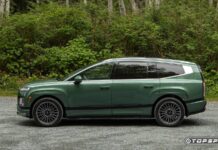
Hyundai has refined the Ioniq 7 concept into a production vehicle that blends futuristic design with everyday usability. The exterior features Hyundai’s “Parametric Pixel” lighting, creating a modern yet clean aesthetic.
Inside, dual digital displays, EV-specific route planning, and over-the-air updates provide a seamless user experience. Hyundai emphasizes sustainability with recycled materials and eco-friendly upholstery, integrating them as premium features rather than cost-cutting measures. This balance between innovation and practicality could be key to winning over buyers.
Facing the Competition: Kia EV9 and Rivian R1S
The Ioniq 9 competes directly with the Kia EV9 (which shares the same platform) and the Rivian R1S. The Ioniq 9 differentiates itself through a larger battery, increased range (up to 335 miles versus the EV9’s 304), and a more premium interior.
While the Rivian R1S focuses on off-road capability, the Ioniq 9 targets a broader family audience with comfort, usability, and value. Hyundai plans to undercut competitors on price while outperforming them in range and interior features.
Hyundai’s Strategic Play
The Ioniq 9 represents a broader strategic move by Hyundai to establish itself as a leader in the EV market. By offering a well-rounded, accessible package, Hyundai aims to attract mainstream buyers, not just early adopters.
This aligns with the shift towards mainstream EV adoption, where space, range, and practicality are paramount. The Ioniq 9 helps normalize EVs in a traditionally gasoline-dominated segment, reshaping the future of family vehicles.
The Ioniq 9 isn’t just a new vehicle; it’s a statement of intent. Hyundai is actively shaping the next generation of family transportation.
The Ioniq 9’s success hinges on its ability to deliver on its promise: an electric SUV that doesn’t compromise on space, range, or usability. If it succeeds, it could accelerate the transition to electric vehicles in one of the most influential automotive segments.