
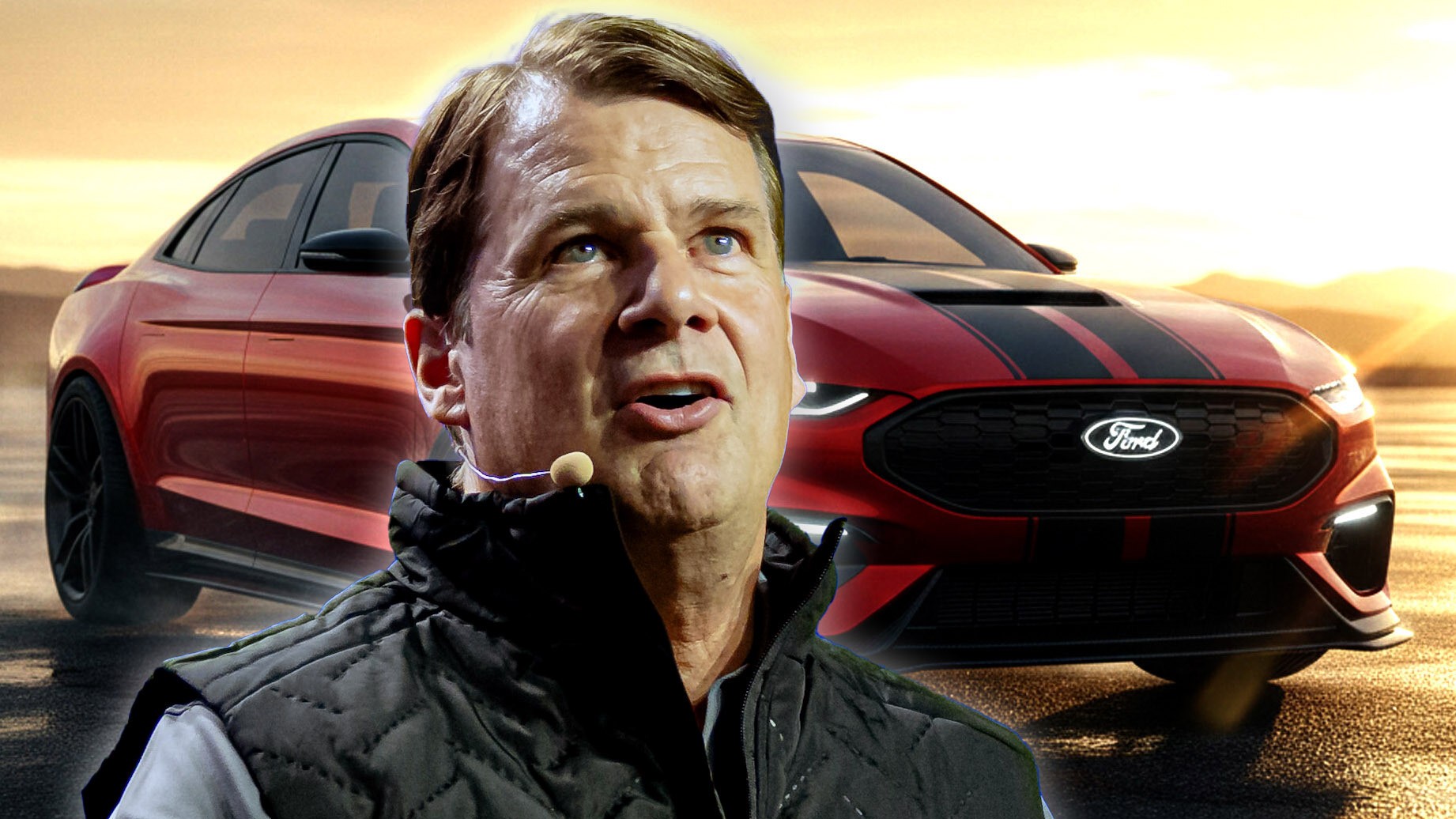
Ford is reevaluating its product strategy, with CEO Jim Farley hinting at a potential return to the sedan market – but with a critical difference. Instead of relying on European platforms that failed to resonate with American buyers, the company is now exploring an affordable, rear-wheel-drive performance sedan designed specifically for the US market. This move comes amid a broader shift in Ford’s priorities, which includes scaling back some EV projects to fund other ventures.
The Pivot Away From EVs
Recent months have seen Ford pause production of the F-150 Lightning and cancel several planned electric models. This doesn’t signal an abandonment of EVs altogether, however. Ford is still developing an all-new Universal EV Platform set to underpin a “family of affordable vehicles” starting with a mid-size truck in 2027. The company is clearly recalibrating based on market realities and financial pressures.
The Sedan’s Potential Return
Farley’s comments, made during Monterey Car Week, suggest the sedan could be a liftback design with a focus on practicality. The CEO emphasized that past sedan failures stemmed from building cars to European standards, resulting in high costs that alienated American consumers.
“There’s definitely a market for sedans, a huge market,” Farley said. “But our previous generations failed here because they were too expensive.”
This signals a willingness to learn from past mistakes and deliver a product tailored to US preferences and budgets.
Trade-offs and Strategic Choices
The decision to prioritize other models over the Fusion sedan was deliberate. Farley explained that resources diverted from the car were crucial for developing successful products like the Bronco and Maverick. This demonstrates a ruthless but effective approach to resource allocation: killing underperforming projects to fund winners.
Beyond Sedans: The Off-Road Supercar Dream
Farley also shared ambitious plans for an off-road supercar – a high-performance vehicle with over 1,000 horsepower, potentially with a hybrid powertrain. The concept resembles a four-seat WRC rally car or a Raptor R without a bed. While highly speculative, the idea underscores Ford’s continued experimentation with unconventional segments.
Execution Challenges Remain
Despite these plans, Ford faces execution hurdles. The company’s EV rollout in the US has hit snags, and its European turnaround relies heavily on rebadged VW models. Recurring recalls (over 138 to date) further complicate matters. Ford’s success hinges on translating vision into tangible results, a challenge the company has struggled with in the past.
In conclusion, Ford’s future hinges on a willingness to adapt, abandon failing ventures, and focus on high-potential segments – even if that means rethinking its commitment to EVs in favor of more profitable, consumer-driven models.