


The Australian automotive market is witnessing a significant shift in consumer behavior. While high fuel prices often dominate the headlines, new insights suggest that a deeper, more structural concern is driving the rapid adoption of electric vehicles (EVs): energy security.
Moving Beyond the “Price at the Pump” Narrative
For much of the recent debate surrounding EV adoption, the primary argument has been economic. With diesel refueling for popular vehicles like the Ford Ranger approaching $300, the cost-saving potential of electric motoring is undeniable. However, Scott Maynard, Managing Director of Polestar Australia, argues that this is not the main catalyst behind the recent spike in EV sales.
Last month, EVs achieved an unprecedented 14.6% market share of new vehicle sales. According to Maynard, the motivation is less about saving money and more about mitigating risk.
The Impact of Fuel Supply Volatility
The shift in consumer mindset appears to be a direct response to recent instabilities in the national fuel supply. Recent data from Federal Energy Minister Chris Bowen highlighted a growing vulnerability in the petrol and diesel supply chain:
– 202 service stations nationwide have recently run out of diesel.
– 99 service stations have run out of unleaded petrol.
When news reports highlight fuel rationing plans or local shortages—such as the recent instances across New South Wales—consumers begin to view traditional internal combustion engines as a potential liability.
The Appeal of Energy Independence
The core driver for the current wave of buyers is the desire for autonomy. Unlike traditional vehicles, which are tethered to a centralized and sometimes volatile oil supply, EVs offer multiple ways to “refuel.”
“They want to be independent of that supply of fuel and be able to energise a car from multiple sources, as being able to use solar, rather than being tied to the supply of oil from faraway lands.” — Scott Maynard, Polestar Australia
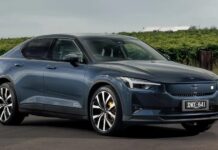
This desire for independence is evident in the demographics of recent buyers. If cost were the sole motivator, sales would be concentrated in budget-friendly models like the BYD Atto 1. Instead, the market is seeing interest in premium models, including Polestar’s lineup which ranges from $62,400 to over $146,000. This suggests that buyers are willing to pay a premium for the peace of mind that comes with home charging and the ability to utilize rooftop solar.
Market Trends and Growth
The momentum for EVs in Australia appears to be accelerating, even as the broader automotive market faces headwinds.
- Market Discrepancy: In the first quarter of 2026, EV sales in Australia surged by 88.9%, even as the total vehicle market saw a decline of 2.6%.
- Polestar’s Performance: Despite a slight dip in March sales due to model transitions, Polestar Australia saw a 19.6% increase in sales for the first three months of the year, contributing to the brand’s best global first-quarter result to date.
Conclusion
The surge in Australian EV adoption signals a fundamental change in how drivers perceive vehicle utility. Rather than viewing EVs simply as a way to lower monthly expenses, consumers are increasingly treating them as a hedge against the instability of global oil markets and domestic fuel shortages.