

It is happening. Ford’s next major move isn’t just about another vehicle; it’s a strategic shift in how drivers navigate. The automaker has confirmed that its upcoming $30,000 all-electric pickup will be the first vehicle with Apple Maps pre-installed. This isn’t just a cosmetic change. The mapping technology will power deeper AI and autonomous driving systems.
The goal here is clear: make self-driving technology affordable.
The Platform Shift
This truck will sit on Ford’s new Universal Electric Vehicle (UEV) platform. Every future model built on this architecture will come with built-in Apple Maps navigation. That includes the rumored Ranchero and potential future SUVs or vans. We don’t know the final names yet. But the hardware is settling into place.
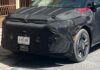
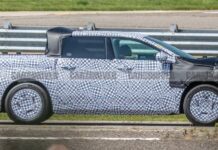
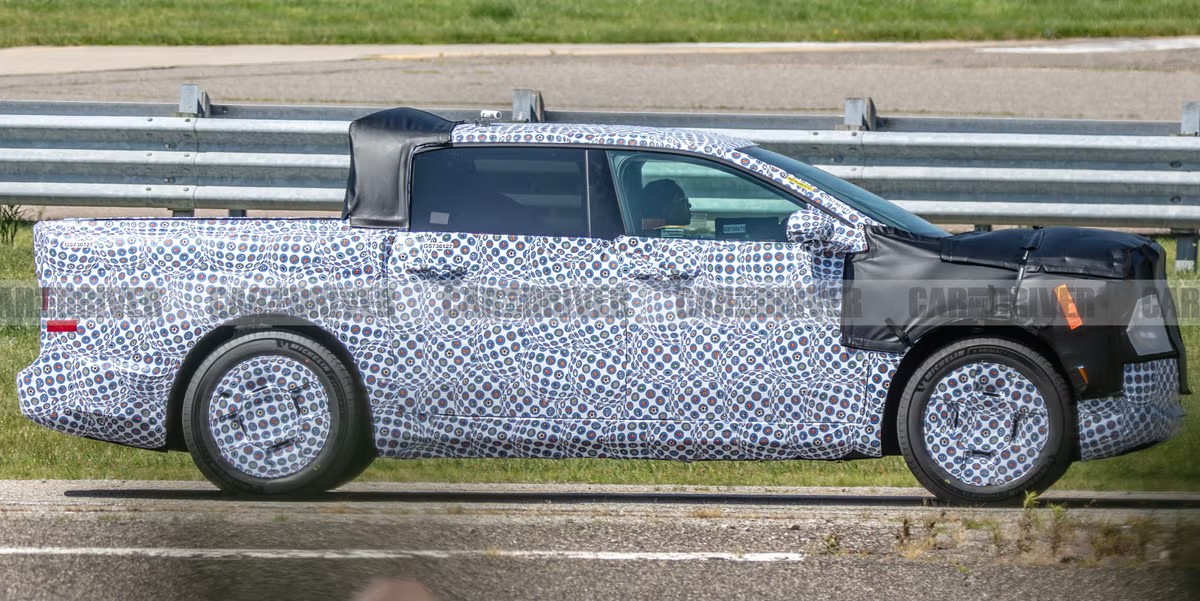
Spy shots have shown a Maverick-sized body. The interior? A large central dashboard screen. That screen will run Apple’s software directly. No more reliance on third-party apps for core navigation.
Apple is finally entering the automaker chat seriously. Until now, most carmakers—including Ford—relied on Google’s embedded systems for search and maps. That dynamic is breaking. Eddy Cue, Apple’s senior vice president, calls this new MapKit the “best map experience in the world.” He’s not wrong to bet on it.
Why It Matters for Autonomous Driving
Here is where the story gets technical. And important.
The map data won’t just help you find a gas station—or in this case, a charger. It will feed Latitude AI. Latitude is Ford’s internal software division. They are using this high-definition map data to train their self-driving algorithms.
Think about how hard it is for a car to know where it is. GPS is okay. LiDAR is better. But precise, high-definition maps are the gold standard. Ford wants to use this data to expand BlueCruise.
Currently, BlueCruise works well on highways. It’s hands-free. But your eyes must stay on the road. It adjusts speed. It keeps you in the lane. It does not drive for you in cities.
The new Apple Maps integration aims to fix that gap. Can a truck navigate a tight urban intersection without driver input? That’s the test. Cue and CEO Jim Farley promise easier driving and navigation. But the real prize is “eyes-off” autonomous capability. That requires trust. Trust requires precision. Precision requires Apple Maps.
The $30,000 Promise
Democratizing autonomy sounds good in press releases. It is harder in practice. Ford’s stated objective is to bring self-driving tech to an attainable price point. Thirty grand. That is a significant number for mass adoption.
The truck itself lacks a confirmed name. Rumors point to “Ranchero.” Production starts in 2027. That is three years away. A long time in tech. A short time in legacy auto.
We have seen glimpses. The screen is there. The platform exists. But will the software match the hardware? Will Apple’s maps be robust enough to support Level 4 autonomy in complex environments?
Ford says the UEV platform is just the beginning. More vehicles will follow. SUVs. Vans. Maybe a crossover. But the truck is the pioneer.
Consider the cost. $30,000. For a fully electric vehicle with integrated Apple Maps and advanced autonomous software. That undercuts the competition significantly. Tesla’s Full Self-Driving package adds thousands more. GM’s Ultra Cruise requires premium vehicles.
Is Ford trying to bypass the premium trap entirely?
The battery preconditioning feature is another concrete detail. The system will locate charging stations. It will cool the battery before you arrive. That saves time. That saves wear. It is a small luxury that changes the daily ownership experience.
But the autonomous aspect is the headline. If Latitude AI succeeds, the lines between driver-assist and actual autonomy will blur. Fast.
We will watch. The truck arrives in 2027. The maps are already being mapped. The rest is just waiting.