


Buying an electric car feels like the obvious green choice. Yet hesitation lingers. You are stuck in the garage of doubt. How much will this actually cost? Will it wreck your daily routine? The leap from combustion to current isn’t just about swapping fuel cans for charging cables. It requires a mental shift.
Enter Mon Test Voiture Electrique. This app acts as a simulator. It lets you test-drive a hypothetical EV lifestyle before handing over your hard-earned cash. EDF Pulse & You is currently co-beta testing this solution. It’s a practical way to answer the nagging questions.
Why Simulate Your Drive?
Think about your last gas station stop. Five minutes. You fill up. You drive. Simple. Charging an EV demands organization. It’s not a refuel; it’s a scheduling chore. The app helps you visualize this friction. It forces you to compare your actual commute against an electric baseline.
“Charging your electric car demands a different kind of organization.”
You aren’t just guessing. You are running data. The simulator models your trips. It calculates range. It highlights where you’d need to plug in. For someone used to the freedom of a 15-gallon tank, this is a shock to the system. But it’s a necessary reality check.
The Cost Equation
Let’s talk money. The purchase price of an EV usually stings. But the running costs? That’s where the math flips.
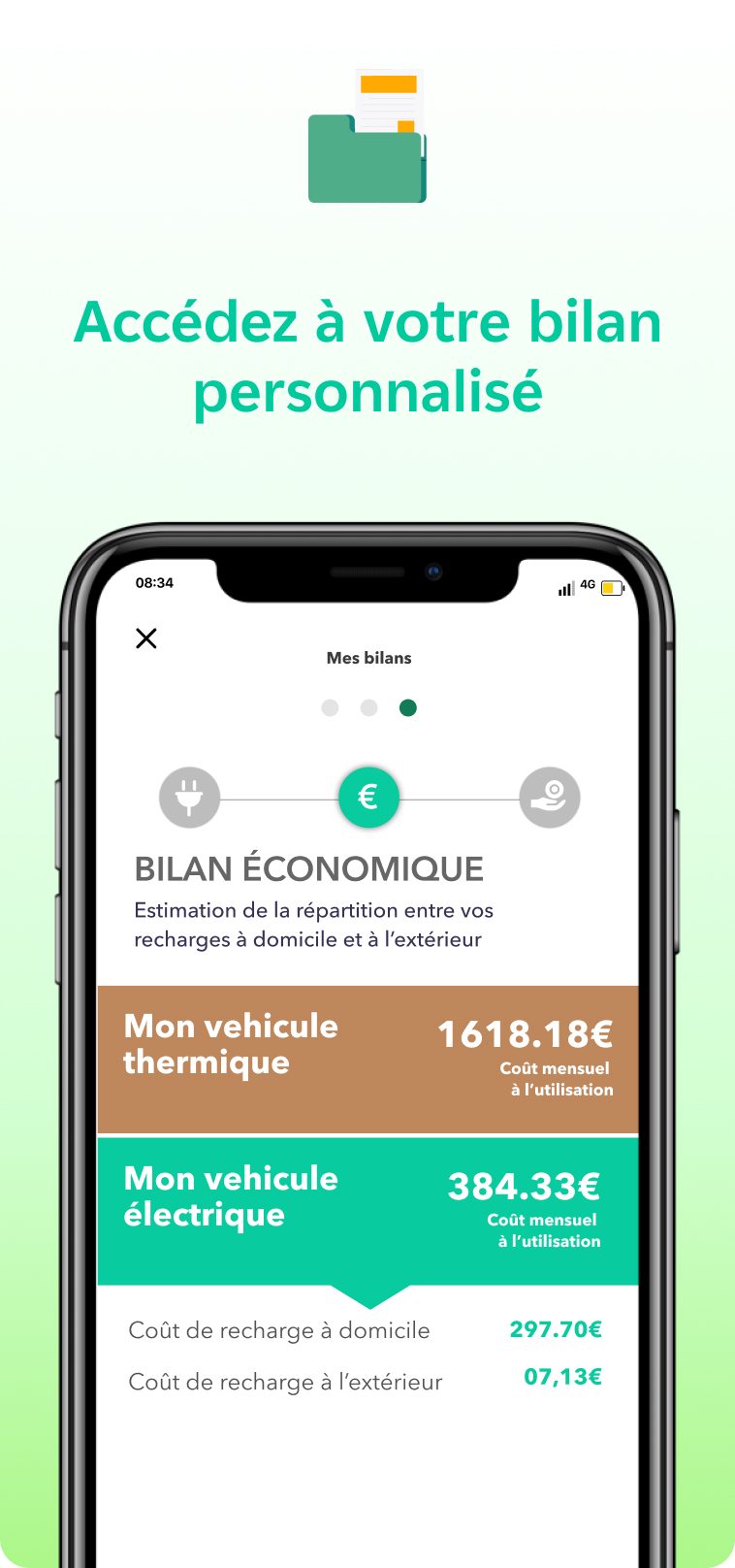
Recharging at home is significantly cheaper than burning fossil fuels. Specifically, the cost per kilometer drops by a factor of three to four compared to gasoline or diesel. That’s not a rounding error. That’s real cash staying in your pocket.
This savings can offset the higher sticker price. Especially when you stack on the incentives. The bonus écologique (ecological bonus) exists. The trade-in prime is available. Local aid programs might apply. Ignore them at your peril.
Maintenance is another win. Fewer moving parts. No oil changes. No spark plugs. No transmission fluid flushes. The battery is a consumable, yes. It will degrade. But until it dies, your wallet breathes easier.
Join the Co-Ideation
EDF Pulse & You isn’t just about this app. It’s a platform launched in 2016. It gathers roughly 9,000 participants. These include regular citizens, EDF project managers, and startups. They share ideas. They dream up the future of energy.
You can jump in. Create an account. Post your thoughts. Vote on the best contributions. Active users get rewarded with campaign-themed prizes. It’s a low-stakes way to engage with how the grid might evolve.
But back to the car. The simulation is the key. You need to know if your routine fits the plug. Or if you’re better off waiting for the infrastructure to catch up. The choice is yours. The data is there.
Why charging an electric car isn’t a quick pit stop
Let’s be honest about the math. Your electricity bill will likely be lower than petrol, but the time investment is completely different. Filling up a thermal engine takes five minutes. Charging an EV? That’s a different story.
The duration depends on a volatile triangle: the battery capacity, its current state of health, and the wattage of the charging station. We are talking anywhere from 15 minutes for a top-up to several hours for a full charge. If you are planning daily commutes, you just have to factor that downtime in.
This friction becomes glaringly obvious on long-distance trips. Try entering a highway itinerary into the Mon Test Voiture Electrique application. The reality check is immediate. Even with “modest” autonomy figures—often hovering around 150 km for budget-friendly models intended for domestic use—the logistics get heavy. You aren’t just driving; you are scheduling.
Home charging vs. public access networks
You can install a wallbox at home. That’s the ideal scenario for most people. But it’s not the only way to stay powered up.
There are subscriptions and offers that grant you access to the sprawling network of charging stations now dotting France and Europe. The question is which formula fits your specific driving profile. Do you charge at home 90% of the time? Or do you rely heavily on public infrastructure for weekends away?
The Mon Test Voiture Electrique app was built to cut through that noise. It analyzes your habits and steers you toward the right access model. No guesswork. Just the right key for the right lock.
Reliability and Daily Driving Dynamics
Let’s cut through the noise. The idea that electric vehicles are fragile tech projects is dead. Data shows an EV is just as reliable as a gas or diesel car. We are talking about units hitting hundreds of thousands of kilometers with no major issues. The battery degrades, sure, but the powertrain holds up.
Driving one daily? It’s different.
In the city, it’s superior. The instant torque means stop-and-go traffic stops being a chore. You aren’t lugging gears. You’re just gliding.
On the highway, things shift. You have the acceleration to spare, but using it burns range fast. The car encourages a lighter foot. You drive smoother. You preserve energy.
“The electric car is also rather pleasant to drive on a daily basis… On the road, even if these acceleration capabilities have been demonstrated, it could encourage you to smoother driving to optimize its autonomy.”
This shift in behavior actually helps road safety. Less aggressive driving means fewer accidents.
It’s a win for efficiency. And a win for everyone else on the road.
Sujet réalisé en partenariat avec les équipes d’EDF.