

The Chevrolet Impala didn’t just survive; it dominated. It remained for decades one of the most recognizable and enduring car nameplates in American history. But the story of how this badge evolved from a high-end trim level to an icon in its own right is more complicated than most people realize. It’s not a straight line. Through a bumpy ride of corporate strategy, market shifts, and the occasional brilliant improvisation, the company has managed to hang on to its name long after many competitors have faded.
1958 シボレー ベルエア インパラ
「インパラ」という名前は、Chevrolet Bel Air Impala に付けられて 1958 年に初めて登場しました。 当時、シボレーは新しい最高級フルサイズモデルを発売していました。 これは完全な新車ではなく、ベルエアの改良版です。 More chrome. More trim. ユニークなスタイルが他の製品とは一線を画します。
ボディスタイルは2ドアハードトップ。 1958年、これはコンバーチブルとして提供された唯一のフルサイズのシボレーでした。 この希少性により、瞬く間に名声が高まりました。 これが最高です。 GMはそれを階層の最上位に位置づけたいと考えた。
この階層は 10 年近く安定しています。 インパラは依然として旗艦である。 それはシボレーのstableで輝く最高の宝石です。 しかし 1966 年までに状況は変わりました。 個人用高級車の人気はますます高まっています。 購入者は快適さ、スタイル、スペースを求めていますが、伝統的なファミリーセダンの頑丈さは求めていません。
カプリスが引き継ぎます
GM は シボレー カプリス を開発することでこれに応えました。 カプリスはインパラの高級兄弟車であり、高級品市場を獲得するために設計されました。 突然、インパラはリーダーではなくなりました。 優先順位では、カプリスの下に位置します。 この仕組みは長年にわたりうまく機能してきました。 カプリスが高級車の頂点に立つ一方で、インパラは一歩下がった高級車としての地位を保っている。
しかし、階層は静的ではありません。 1976 年までに事態はおかしくなりました。 シボレーは、エントリーレベルの大型シボレーモデルに、かつてトップクラスだったインパラの名前を使用することを決定した。 なぜ? おそらくコスト削減でしょう。 もしかしたら市場が混乱しているのかもしれない。 その結果、シボレーが販売する最も基本的なフルサイズ車を識別する、エレガントではなくなったネームプレートが誕生しました。 かつて独占性を象徴していたバッジにとって、これは奇妙な格下げだ。
1994: The return of the SS
The nameplate had been floating in place for years. Then in 1994, Chevrolet did something surprising. They revived the Impala SS banner. This is more than just a cosmetic update. It’s a full-size muscle car powered by a Corvette. The Corvette’s 5.7-liter LT1 V8 engine found a home under the hood of the Impala. It was quick. It was loud. It was a direct challenge to the dominance of other American muscle cars.
This revival was no accident. Chevrolet recognized the power of names. The Impala has a history. It has a strong presence. By combining it with serious performance, they reaffirmed their importance. The Impala SS became a cult favorite, bridging the gap between everyday driving practicality and true performance.
Why the Impala Outlasted Others
1958 Chevrolet Bel Air Impala: Redefining Premium
The 1958 Chevrolet Bel Air Impala was more than just an update. This is the new crown jewel of the Bel Air line. Luxurious. Smooth ride. Only for sports coupes and convertibles. If you want the real deal, buy either of these two.
If you look through the windshield pillar, you will notice that the structure has changed. The Impala shares no bones with the regular Chevrolet. Hardtops are characterized by a short greenhouse. Next is the long back cover. How effective is it? The illusion that the body has expanded. Bright lever moldings and virtual rear fenders complete the look.
The roof utilizes cutting-edge European aerodynamic research. Simulated exhaust tips follow a distinctive sculpted roofline. Yes, it’s inspired by Mercedes-Benz. But it worked.
Lights show who has space. There are three taillights on both sides. The smaller model has two. There are wagons. Above the side moldings, a special crossed-flag insignias emphasizes the difference.
Power, Price, and Prestige
まずは直列6気筒から。 1958 シボレー ベル エア インパラの価格は 2,586 ドルからです。 さらに 29 ドル追加すると、V-8 が手に入ります。 基本価格は 2,693 ドルです。 オプションのせいで請求額がかさみました。 大幅に高くなっています。
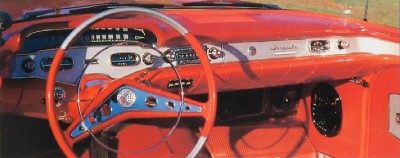
生産量の数字は需要を示しています。 シボレーはスポーツクーペを125,480台生産した。 55,989 枚のragtopsが組立ラインから転がり落ちました。 これらは合わせて総生産量の 15% を占めます。 この年、他のシリーズでコンバーチブルを提供したものはありませんでした。 インテリアはエクステリアの勇敢さと一致しています。 レースにインスパイアされた2本スポークステアリングホイール。 カラーキーのドアパネル。 Brushed aluminum trim。
Engineering the Boss Car
インパラの登場は大きな話題を呼びました。 これはシボレーが中価格帯の領域に参入したことを示している。 デザインは当初の計画ほど過激なものではありませんでした。 マーケティングは依然として幻想を売っています。 「素早く、eager-to-please handling、あなたが上司であることがわかります。」
車自体が広告コピーをバックアップしました。 もっと長く。 Lower。 もっと広い。 この時代に繰り返されるテーマ。 フルコイルサスペンションは古いリアリーフスプリングを全面的に置き換えます。 新しい「Safety Girder」Xフレームがスタンスを低くします。 高さが低くなったにもかかわらず、ヘッドルームはそのまま維持されます。
ボンネットの下には、283立方インチのV-8エンジンが標準装備されました。 定格は 185 ~ 290 馬力の範囲です。 しかし、本当に上司になりたいドライバーにとっては、新しいオプションがあります。 348立方インチのターボ推力V-8。 トラックのエンジンから降下します。 チューンに応じて、250、280、さらには 315 馬力を引き出すことができます。
不景気における市場の優位性
1958 年は不況の年でした。 他のほぼすべての企業が売上損失を被りました。 1958 シボレー ベル エア インパラは、シボレーが生産台数でナンバーワンの座を取り戻すのに貢献しました。 かなりのリード。 適切な車は、たとえ困難な時期であっても人々の注目を集めることができることが証明されています。
1958 Chevrolet Bel Air Impala Specifications
- Model Name: Bel Air Impala
- Weight: 3,458-3,523 lbs.
- Base price: $2,586 (up to $2,841 with options)
- Total production: About 181,469 units (55,989 convertibles + 125,480 coupes)
1959 Chevrolet Impala
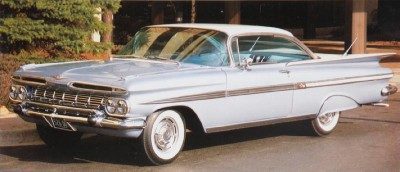
The 1959 Chevrolet Impala didn’t just change; it rejected the previous era. The late fifties had been a period of excessive styling, but Chevy’s engineers and designers decided to pivot hard. Instead of sending tailfins screaming upward like rockets, they shot them outward. It was a radical departure from the standard GM family lineup.
Admen love giving nicknames to every bolt and panel. The sales brochures for this year were notably restrained, refusing to label the new fins. They didn’t call them “bat wings.” They didn’t call the taillights “cat’s eyes.” Those monikers arrived later, born from enthusiast lore and media repetition. The corporate speak was far more modest. The deck was simply described as “saucy.”
Shared Platforms, Bigger Footprints
Chevrolet wasn’t building these cars in a vacuum. It was part of a General Motors cost-cutting strategy to share body shells. The Impala shared its structural backbone with lower-tier Buicks and Oldsmobiles, and even Pontiac. It was an economy move disguised as variety.
The result was a car that felt massive. The wheelbase stretched 1.5 inches longer than its predecessor. Underneath, an X-frame chassis provided the skeleton. On top of that frame, the roof sat three inches lower, flattening the profile. The body itself widened by over two inches.
Size has a weight penalty. You cannot add volume without adding poundage. It was a trend of the times, and the Impala embraced it fully. Tom McCahill, the witty auto tester for Mechanix Illustrated, captured the absurdity of the space perfectly. He noted that the rear decklid had “enough room to land a Piper Cub.” That isn’t hyperbole. That is a measure of just how wide and flat the rear end had become.
Impala Goes It Alone
By 1959, the Impala had graduated. It was no longer a trim level; it was a separate series. This distinction opened up the lineup to more configurations:
- Four-door hardtop
- Four-door sedan
- Two-door Sport Coupe
- Convertible
The two-door Sport Coupe introduced a shortened roofline. It featured a wrap-over back window, designed to offer a “virtually unlimited rear view.” This complemented the new compound-curve windshield, which was also a fresh addition for the year.
Then there was the hardtop Sport Sedan. It dropped the B-pillar entirely. The back window was huge, pillar-free, and expansive. Beneath that slender, “flying wing” roofline, there was a scads of headroom. The design prioritized airiness and visibility, even as the car itself grew heavier and wider.
It was a machine caught between two worlds. The styling looked forward, with those outward-sweeping fins. But the execution was grounded in heavy, shared-platform engineering. You could see the Buick in the bones, and the Pontiac in the stance, but wrapped in Chevrolet’s new, saucy skin.
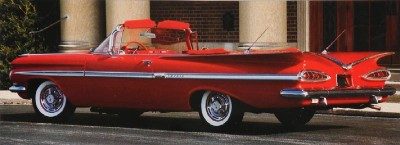
The base V-8 engine is carried over from last year, and the 283-cubic-inch engine produces 185 horsepower. If you need more power, you can step up to a tuned 283 hitting 290 horsepower. Or you can go big. The 348 cubic inch V-8 engine produced 315 horsepower and arrived in a dizzying roster of ratings, peaking at. Back then, “big block” wasn’t just a category. This is a choice.
Prices reflect this choice. The V-8 Impala convertible starts at $2,967. If you swap the V-8 engine for a 6-cylinder engine, you’ll save $118. Not a fortune. But in 1959, every dollar counted.
Inside the Impala, the Impala screamed top-of-the-line. This is more than just a car. This is a lounge on wheels. Front and rear armrests are standard equipment. The same applies to electric clock. Dual sliding sun visors kept the glare out. The crank-operated front ventipanes allows you to control the air flow. The dashboard is shaped with a gauge that is placed deep under the hood so that sunlight does not affect the speed. Comfort is further improved by the new Flexomatic 6-way power seat. It can be adjusted. You can own the drive.
1959 Chevrolet Impala Key Specs
- モデル: インパラ
- 重量: 3,570 ~ 3,670 ポンド。
- 価格: $2,592–$2,967
- 生産量: ~473,000 units
1960 Chevrolet Impala
The momentum didn’t stop。 1960 年带来了更锐利的线条、更多的镀铬,以及更多的态度。 But that’s a story for the next part。
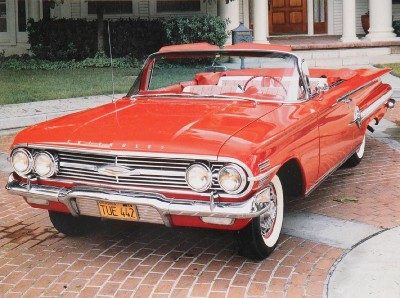
1960 シボレー インパラ: フラッシュから抑制まで
1960 年のシボレー インパラは、前年の喧騒から離れて突然左折しました。 1959 年モデルが威厳を叫んだのに対し、新世代は静かな自信を持ってささやきます。 それは、前の時代を定義していたワイルドなスタイルから離れ、より保守的な美学への意図的な動きでした。
振り返ってみると、59 年式シボレーは当時感じたほど衝撃的ではないようです。 今日のコレクターや愛好家は、これらの尾ひれに魅了されています。 大きいほど良いです。 これらはこの車の現代的な魅力の中心となっています。 しかし 1959 年、スタイリストとマーケティング担当者が壁に書かれた文字を目にしました。 クロームフィンのファッションはピークに達しています。 物事を好転させる時が来ました。
彼らは、斬新だがクレイジーではない整形手術を必要としている。 その結果、完全な見直しではなく、設計の手がかりが再調整されます。
Tame the tail fin
These elongated fins did not disappear overnight. still. They are just splashed with water. Our goal is to create a more elegant background. An angular, tapered shape appears and integrates neatly into the quarter panel. The climate is mild. It’s under control.
The state-of-the-art Impala changes the visual language even further. Three generously sized round taillights replace the more aggressive setup of the past. The effect is subtle, but effective. It shows that the car is growing.
Clean lines and a new motto
From the front, the changes are even more dramatic. The aggressive nostril air intakes of the headlights have been completely removed. The aggressive smile of 1959 no longer exists. In its place is a cleaner, smoother nose.
The redesign of the 60s was thoroughly restrained by the standards of the 50s. Chevrolet promoted this with a new slogan: “Space – Spirit – Brilliance”. This is the axis of marketing tailored to visuals. Less noise. Perfect content.
The 1960 Impala just didn’t look different. It changes the conversation. It goes from gorgeous to complicated.
This transition set the stage for the next generation. The fins are still there, but quieter now. The chrome is still there, but it’s less flashy. This is a car that understands the present. Know when to stop.
The Impala of the 60s was not the definitive Chevrolet style. But this is a necessary correction. Last year’s heat is over and we are breathing cool air. Enthusiasts may still like the 59s, but the 60s offer something else. something permanent.
It’s a car that lives in the moment. Not just the past.
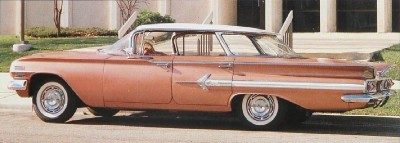
The 1959 Impala was sold. As the Bel Air and Biscayne sought prestige, the Impala continued to sell around 490,000 units. This car is for people who want to look wealthy but don’t necessarily have the budget for a high-end finish. Design tips are basic, but superficial. Chrome is more common than other models. The hood has a fake air intake. A white stripe runs along the rear fender. It’s a play, but it works.
The buyer has four options. Most popular hardtop sports sedans have a panoramic rear window surrounded by narrow pillars, giving the back seat an open feel. There is also a 2-door sports coupe. A practical 4-door sedan. There is also a convertible. It was Chevrolet’s only full-size convertible at the time. It ranks first at $2,847. The V8 costs $2,954.
The list of options behind the scenes has narrowed a bit, but the power is still brutal. There are seven V-8 classes. Choose the 283cc Turbo Fire or the massive 348cc Super Turbo Thrust. The hierarchy is clear. The standout was the 348 with its triple double-barrel carburetor. The compression ratio is 11.25:1. Dual exhaust pipes are standard equipment. It produces 335 horsepower. This is barbaric.
Other 348 models were downrated to 250-320 horsepower. 283 is more modest. 170 horses available. But the biggest news is the removal of fuel injection. For the first time, a full-size Chevrolet does not offer direct injection under the hood. Gone are the days of mechanically injected V-8 engines for the Impala. Buyers had to accept carbs.
1960 シボレー インパラのスペック
- モデル: インパラ
- 車両重量: 3,530 ~ 3,635 ポンド。
- 基本価格: $2,590
- 最高トリム価格: $2,954
- 生産量: 約490,000個
1961 雪佛兰英帕拉
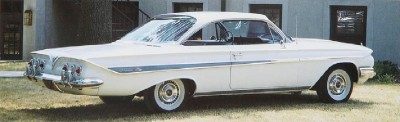
Impala’s secret sporting identity
The 1961 Chevrolet Impala looked like just another big, comfortable cruiser. This is a full size car designed for luxury use, not track use. Few buyers understand what happens next. By mid-1961, Chevrolet quietly introduced the package that would define the decade. This is more than just a cosmetic adjustment. This 1961 Chevrolet Impala Super Sport option combines premium comfort with true performance. This particular lineup became the blueprint for future muscle cars, even if the sales numbers don’t reflect the impact of time.
The list price is $5,380. It’s not cheap, but you’re paying for more than just speed. Chevrolet sells it as a “highly individualized” version of the standard Impala body style. Inside the cockpit, it feels more focused. The dashboard has a padded instrument panel and a Sun 7000 rpm tachometer mounted on the steering column. There’s a Corvette-inspired armrest in front of the passenger seat, but everyone still sits on the bench. The exterior looks sharp with metallic brake linings, sturdy springs and shock absorbers. The wheels have knock-off covers and are equipped with 8×14 narrow-band whitewall tires.
Under the Hood: The 409 V-8
いくつかの異なるエンジンを備えたキットを注文できますが、パワーに関する具体的なストーリーはハードウェアによって決まります。 標準オプションは 348 立方インチ V-8 のバージョンでした。 これらのエンジンの出力範囲は 305 ~ 350 馬力です。 4 速マニュアル トランスミッションを備えた 348 が必要な場合、シボレーはシフトを容易にするために鋭く湾曲したレバーを備えた特別なフロアマウント シフターを提供しました。 オートマチックパワーグライドトランスミッションは、最もマイルドなエンジンチューニングでのみ利用可能です。
しかし、本当の目玉は他のモデルにはないエンジンです。
これは 409 立方インチ エンジン です。 シボレーは、この特定のパワープラントを搭載したインパラを 142 台だけ製造しました。 デュアルシュノーケルエアクリーナーを介して呼吸し、360馬力と409ポンドフィートのトルクを生成します。 この数字は偶然ではありません。 これはtied the displacement directly to the output figureマーケティング手法です。 このエンジンはブライアン ウィルソンとビーチ ボーイズの曲「409」ですぐに不滅のものとなり、アルミニウムと鉄の塊をポップ カルチャーの歴史に変えました。
SS オプションを使用すると総生産量が少なくなります。 このバッジを獲得したインパラはわずか 453 台で、そのほとんどがスポーツ クーペでした。 409オプションは珍しいです。 ベルエアやBiscayneでは買えません。 インパラSS専用です。 豪華なインテリア、ハンドリングのアップグレード、大型エンジンの組み合わせにより、ユニークな車両となっています。 快適に巡航することも、積極的に発進することもできる車です。 ディーラーで特別なものを購入していることを知っていた人はわずか数百人しかいなかったにもかかわらず、この車は 1960 年代の最も記憶に残るシボレーの 1 台です。 残りの市場は依然としてセダンに焦点を当てています。 これらのドライバーはレジェンドを探しています。
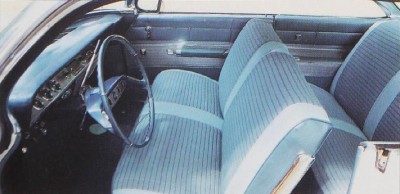
Chevrolet offered the Impala to a specific group of buyers. They wanted people who crave the style and acceleration of a sports car, but refused to sacrifice the elegance of a big cruiser. However, it wasn’t just about looks. Put a 409 cubic-inch V8 under the hood, pair it with a 4.56:1 rear-axle ratio, and you’ve got a machine that slaps the quarter-mile in seventh gear. Zero to sixty took just seven seconds. that was quick in 1961.
Rooflines varied. Chevrolet offered three different profiles, the most notable of which was the sports coupe. This version featured a gently sloping front pillars and a glass-flooded cabin. It wasn’t subtle, mind you. The design was based on the era’s taste for excess. It featured creased bodysides, tapered trim strips that narrowed toward the rear, and contoured rear decks that seemed straining against their own skin.
Details mattered. Deluxe wheel discs sat at the corners, while the wide bodyside moldings added drama. These moldings came with contrasting insert panels to break up the sheet metal. It was gaudy by today’s standards, but it worked. Chevrolet claimed that the Impala was “unquestionably the finest car in its field.” The production numbers backed up the confidence. Almost 491,000 units rolled off the line. That number held steady with 1960 output. Convertibles accounted for 64,600 of that total.
1961 Chevrolet Impala Specifications
- Model: Impala
- Weight Range (lbs.): 3,440-3,605
- Price Range (New): $2,536 – $2,954
- Production: 491,000 (approx.)
The momentum continued into the next model year with changes across the board.
1962 Chevrolet Biscayne, Bel Air and Impala
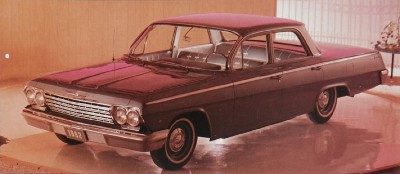
Impala成为国王的那一年
1962 年的全尺寸雪佛兰系列进行了改造,不再注重流畅的曲线,而更多地注重锐利、方形的角度。 新的车身更加笨重。 一条尾随的折线贯穿车身,使汽车看起来更厚重、更坚固。
雪佛兰知道他们拥有什么。 经销商在机场悬挂了“流畅的雪佛兰”广告。 The pitch was simple. 这是关于房间的。 Zoom. 一次让道路变得柔软的旅程。
The Crown Jewel: 1962 Chevrolet Impala
If you wanted posh, you bought an Impala. They weren’t just cars. They were status symbols dressed up in chrome and vinyl.
Every Impala came with full-length upper body moldings with contrasting color inserts. Ribbed sill moldings add texture. Stainless steel window reveal trim framed the glass. You won’t confuse it with the smaller model thanks to the special marking on the rear fender.
The rooflines were distinct. This is a very stylish 4-door sedan with a narrow pillar design. Although the steel is solid, the creases in the rear roof of the sport coupe mimic those of a convertible. Chevrolet also added inner fenders to prevent rust before starting.
The numbers don’t lie about popularity.
- Impala: 704,900 units sold.
- Bel Air (slim pillar sedan): 365,000 units.
- Biscayne: 160,000 units.
Biscayne is the entry-level option. Minimal trim. However, Chevrolet’s selling point is its “beautiful simplicity.” It was the no-frills workhorse in a luxury-heavy lineup.
Big Block Availability
Engine buyers had a new toy. The massive 409 cubic inch V-8 engine is no longer reserved for super sports. You could drop it into any full-size Chevy.
Two power levels are available.
- 380 hp: one 4 barrel carburetor.
- 409 hp: Two 4-barrel carburetors.
Both engines have the same tough internals. Solid lifters. Dual exhaust. Compression ratio 11.0:1. These are not soft cruisers. Designed with noise and torque in mind.
Enthusiasts can go even further. A light aluminum body panel can also be ordered as an accessory. Shed weight. Gain speed. The rest of the body stayed steel.
Why do Impala sales outsell Bel Air sales almost 2 to 1?
Maybe it was the badges. Maybe it was the extra chrome. Or maybe people realized that for the same monthly payment, they could own a car that actually looked like something you’d find in a showroom window in a grocery store parking lot.
The 409 engine changed the game, though. You didn’t need a Super Sport badge to have a rocket under the hood. All you need is a wrench and a willingness to burn rubber.
What happens when you put a 409 horsepower engine in a body this size?
It doesn’t corner like a sports car. It doesn’t brake like one either. But it moves in a way that small cars can only dream of. The 1962 Impala was more than just a car.
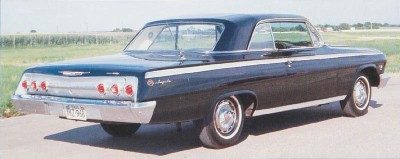
The 348 cubic inch V8 engine has disappeared from the lineup. It was replaced by a smaller 327 cubic meter engine that produced 250-300 horsepower. The old stock engine, a 283-cubic-inch V-8, had fallen to the bottom of the food chain. We are particularly interested in the 170 horsepower single tune. This is a standard power plant, plain and simple.
Super Sport Option Converts Performance Package to $156 Trim Package. Available for Impala sport coupes and convertibles. Can be installed on any engine. Also compatible with Hi-Thrift 6 cylinder engines. With that money you can buy soft leather vinyl front seats. The seats are decorated with aluminum upholstery. Passenger assistance bars help people cope with difficult situations. Between the front part is a console with a lockable compartment. Aluminum interior parts decorate the interior. Replica-style wheel covers complete the look.
Heavy drivers can dig deep into their pockets. Sintered metal brake blocks stop rotation. Heavy duty springs and shocks take the punishment. The 8×14 tires held the asphalt well. The tachometer monitors the rotation speed. The most important thing is to squeeze more life out of the machine.
1962 シボレー ビスケーン、ベル エア、インパラの事実
- モデル: ビスケーン
- 重量範囲 (ポンド): 3,400-3,845
- 価格帯 (新品): $2,324-$2,832
-
製造数: 160,000 (およそ)
-
モデル: ベレア
- 重量範囲 (ポンド): 3,405-3,89
- 価格帯 (新品): $2,456-$3,029
-
製造数: 365,000 (約)
-
モデル: インパラ
- 重量範囲 (ポンド): 3,450-3,925
- 価格帯 (新品): $2,662-$3,171
- 製造数: 704,900 (概算)
1963 シボレー ビスケーン、ベル エア、インパラ
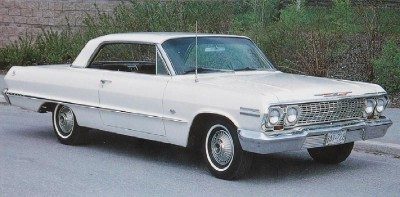
1963 Chevrolet Lineup: Styling Tweaks and V-8 Power
Chevrolet didn’t quite reinvent the wheel with the 1963 1963 Chevrolet Biscayne, Bel Air and Impala. They just dressed them up better. The body received a boxy face-lift. The sales brochure describes it as “clean-cut as a jewel.” They claimed the ride was “as smooth as a jet”. In fact, bodyside contours were altered just enough. Clever lines made it look like major changes happened. This is a subtle shift. But it worked.
Ads pushed mundane updates. Air-washed threshold panels. Self-adjusting brakes. A longer-life exhaust system. These are not sexy features. But they are important to buyers.
Under the hood, things got serious. The standard Turbo-Fire 283 cubic inch V-8 got a kick. The power has increased to 195 horsepower. The mid-priced option is the 327-cubic-inch engine. Varies from 250-340 horsepower. Depending on the tune.
But the big block is the star. The 409-cubic-inch engine can produce 340, 400 and even 425 horses. The top version uses two four-barrel carburetors. The compression ratio reaches 11:1. That’s not just power. It’s noise. And speed.
Which engine did you choose? 283 base is very reliable. The 409 is a beast. There is no middle ground.
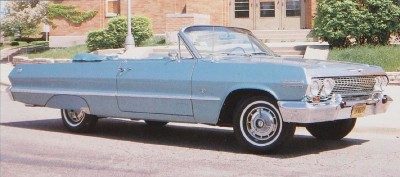
Most buyers don’t care about raw power. They happily chose the 140 horsepower Turbo-Thrift inline-six. A smart choice for commuters. What about enthusiasts? they were a different breed. A small group of drag racers managed to get their hands on a 427 cubic-core version of the car with a lightweight aluminum body panel and a 409 engine. These are important racing cars for the track.
But when it comes to numbers, that’s another story. The Impala sold 832,600 units and dominated the lineup. This figure includes 153,271 Super Sports (SS) cars. While the sport sedan retains its signature hardtop roofline, the Sport Coupes finally opts for a vinyl roof that adds a touch of style without breaking the bank.
The most expensive model is the aggressive-looking SS Impala convertible. It can be configured with any engine, but the SS package adds $161 to the $3,024 base price. That extra cash bought heavy duty springs, aluminum bucket seats and a distinctive swirl inserts for the dashboard. All SS Impalas have a floor shifter, and the new console has a lockable compartment. It’s not just about looks. It’s about control.
1963 Chevrolet Biscayne, Bel Air, and Impala Facts
- Model: Biscayne
- Weight range (lbs.): 3,205-3,810
- Price range (new): $2,322-$2,830
- Number built: 186,500 (概算)
- Model: Bel Air
- Weight range (lbs.): 3,215-3,810
- Price range (new): $2,454-$3,028
- Number built: 354,100 (概算)
- Model: Impala
- Weight range (lbs.): 3,310-3,870
- Price range (new): $2,661-$3,170
- Number built: 832,600 (概算)
1964 Chevrolet Biscayne, Bel Air, and Impala
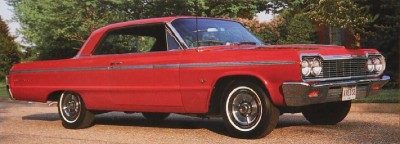
The 1964 Chevrolet Impala didn’t just add trim levels. It forged a separate identity. 1964 Chevrolet Impala Super Sport evolved from an option package into a unique series. Buyers can finally choose between a convertible or a hardtop coupe. It wasn’t just a badge anymore. It was a specific car.
Inside, the cabin, you will immediately notice which model you are sitting in. Swirl-pattern silver anodized material traced the rear cove moldings. It also runs along the wider upper body trim strips. The exterior has a metallic sheen. You can see it even from far away.
The interior also corresponds to the purpose of the exterior. Pleated vinyl covered the seats. Front bucket seats became standard for the SS. The console separates the driver and the passenger. It housed a floor gearshift. This setting is made if you choose a 4-speed manual transmission or a Powerglide automatic transmission for your car.
Distinct SS Identity
Prior to 1964, the Super Sport was basically just an appearance package. In 1964, Chevrolet made it a separate series. This shift mattered. It changed the way enthusiasts saw the Impala line. The SS now had its own production path. This isn’t just an Impala with a sticker.
The interior details emphasize this difference even more. The pleated vinyl wasn’t generic. Its construction sets it apart from the standard Impala bench seat. The console is not an afterthought either. If a power transmission is required, it will be included in the design.
Where else could you find this specific combination in 1964? Not in Bel Air. Not in the Biscayne. Only in the Impala Super Sport. The silver anodized trim was unique to these models. It caught the light differently than standard chrome. It gives the car a subtle metallic feel that isn’t loud but draws attention.
Why did Chevrolet make this change? The market was shifting. Buyers are looking for a combination of performance and style. The Impala SS answered that call. We offer ready-made performance vehicles without waiting at the dealer. The four-speed option catered to purists. The Powerglide handled daily driving. Both have the same internal markings. Console seats and bucket seats were non-negotiable due to SS status.
The hardtop coupe became the favorite body model of many. It’s much cooler now. Sharper. This convertible is open-air capable, but lacks the structural rigidity of a hardtop. Both have the same internal DNA. pleated vinyl. bucket. Console (if equipped).
This year, the Impala Super Sport is no longer an option. This is your destination.
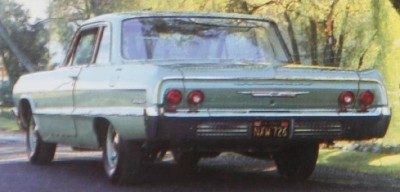
The 1964 Impala: Power, Presence, and Sales Dominance
The Super Sports package was a tantalizing but rare find. You could get it with a six-cylinder, sure, but buyers overwhelmingly voted with their wallets for the V-8. Inside, the cockpit could be upgraded with a tachometer and a true sports steering wheel. Quick-ratio power steering made the big car feel nimble, while the Comfortilt column offered seven positions of adjustability for drivers who wanted to get comfortable behind the wheel.
Exterior updates were subtle but effective. The styling leaned into squarer corners, a shift from the softer curves of previous years. Up front, a new full-width sculptured grille dominated the nose. The rear signature remained intact: triple taillights on each side, flanked by generous amounts of brightwork. It worked. The Impala continued its reign as the top seller by a landslide. Total production hit 889,600 units, with the high-performance Super Sport variant accounting for an impressive 185,523 of those sales.
Choosing an Engine Was No Easy Task
Confusion wasn’t uncommon when ordering. You were staring down seven different engine options and four transmission choices. The lineup started with a modest 140-horsepower inline-six. But the real conversation happened around the V-8s. You could choose from 283, 327, or 409 cubic inches. The 409 was marketed as “especially saucy in highway passing situations,” a phrase that still makes you smile today.
Horsepower output for the V-8s ranged from 195 to a whopping 425. If you were chasing that top-tier power, you’d likely end up with Delcotronic all-transistor ignition, a piece of tech that was advanced for its time and helped with starting reliability and maintenance.
1964 Chevrolet Biscayne, Bel Air, and Impala Facts
| Model | Weight range (lbs.) | Price range (new) | Number built |
|---|---|---|---|
| Biscayne | 3,230-3,820 | $2,363-$2,871 | 173,900 (approx.) |
| Bel Air | 3,235-3,865 | $2,465-$3,039 | 318,100 (approx.) |
| Impala | 3,340-3,895 | $2,671-$3,181 | 704,300 (approx.) |
| Impala SS | 3,325-3,555 | $2,839-$3,196 | 185,325 |
1965 Chevrolet Biscayne, Bel Air, and Impala
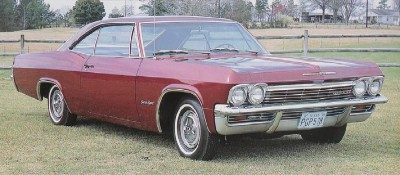
1965 Chevy Full-Size Redesign: Bigger, Wider, and Smoother
The 1965 Chevrolet full-size lineup—Biscayne, Bel Air, and Impala—defied the laws of physics by getting bigger when most manufacturers were shrinking them. These cars were already substantial, but the new platform added length and width while wrapping them in a radically different shape. The sharp, angular lines of previous years were gone. In their place came dramatically rounded sides and curved window glass that flowed into the bodywork. The front end was completely reworked, featuring fresh hood contours that gave the nose a more aggressive, modern look.
Underneath, the engineering caught up to the aesthetics. Chevrolet introduced a new Girder-Guard frame. This wasn’t just cosmetic; it was designed to reduce the size of the driveline tunnel inside the cabin. The result was a flatter floor, which improved interior space and comfort for passengers in the back.
Chevy pushed “Wide-Stance” as a key feature of the 1965 redesign. This wider track improved stability, especially when paired with the improved full-coil suspension. It was a significant upgrade from the leaf-spring setups of old, offering better handling without sacrificing the plush ride Chevy buyers expected. Safety also got a subtle boost with an adhesively bonded windshield, making the roof structure stronger in the event of a rollover.
Styling Tweaks and Interior Innovations
The Sport Coupe models stood out with a sleek semi-fastback roofline. It wasn’t a hard top, but the slope was aggressive enough to look sporty. Wheel well moldings were revised to match the new, smoother body lines. Inside, the dashboard saw a major shift. The two-tone instrument panel placed the gauges in a recessed area directly ahead of the driver. This wasn’t just about style; it reduced glare and made readings easier to take while driving.
Powertrain options expanded significantly. For the first time, the Turbo Hydra-Matic automatic transmission was available. This three-speed unit offered smoother shifts and greater durability than the older Powerglide. The column-shift manual version also improved, now offering full synchronization to reduce grinding and make gear changes easier on the teeth.
Engine Lineup: The Rise of the 396
The engine bay saw some major changes. A new 250-cubic-inch inline-six was introduced, designed to satisfy buyers who wanted fuel economy and low cost. It wasn’t powerful, but it got the job done for daily commuting.
But the real news came midway through the model year. The 396-cubic-inch Turbo-Jet V-8 became available. This wasn’t a detuned big block; it was serious hardware. Buyers could choose between a 325-horsepower version and a monstrous 425-horsepower variant. The high-compression 425 hp engine featured a 11:1 compression ratio and solid lifters, making it one of the most potent street V-8s on the market at the time.
The legendary dual-carb 409 was dropped from the lineup. This was a blow to some purists, but Chevy replaced it with revised versions of the 340- and 400-horsepower engines. While the 409 had a unique place in muscle car history,
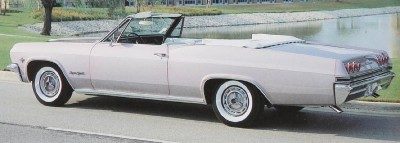
It started with a twenty-dollar bill. Or rather, two tens.
For this modest amount, the buyer of a 1965 Impala Sport Sedan could upgrade to the Caprice Custom package. It was a small price to pay for a nameplate that would outlast the car it was bolted onto by decades. The Caprice wasn’t just trim; it was a statement. A blacked-out grille swallowed the front end. A vinyl roof sat atop the steel with a vinyl roof adorned with fleur-de-lis emblems that screamed old-time elegance. Wheel covers changed. Narrow sill moldings appeared along the rocker panels.
But the real story was what you couldn’t see.
Chevy stiffened the frame. They recalibrated the suspension. Inside, they installed the most luxurious interior the brand had ever offered to the general public. The door panels were decorated with Simulated walnut, which contrasted with the specially stitched cloth. The seats were contour-padded, mixing fabric and vinyl in a way that felt less like a car and more living room.
The goal was simple: to give Chevrolet buyers the unique look and feel of Cadillac.
It worked. Sales figures didn’t just rise; they exploded. So much so that in the 1966 model year, Chevrolet no longer offered the Caprice as an option package. They turned it into a full-fledged series. V-8 only. No six-cylinders allowed.
The 1965 Lineup Reality Check
Before the Caprice became its own beast, one had to look at the hierarchy of the 1965 Impala lineup. It wasn’t just a car with different stickers. Biscayne, Bel Air and Impala sat in distinct tiers.
This is what the market looked like before the Caprice shift.
1965 Chevrolet Model Breakdown
Biscayne
* Weight: 3,305-3,900 lbs
* New price: $2,363-$2,871
* Production: ~145,300 units
Bel Air
* Weight: 3,310-3,950 lbs
* New price: $2,465-$3,039
* Production: ~271,400 units
Impala
* Weight: 3,385-4,005 lbs
* New price: $2,672-$3,181
* Production: ~803,400 units
- Impala SS
- Weight: 3,435-3,655 lbs
- New Price: $2,839 – $3,212
- Production: 243,114 units
Look at the weight delta. The Impala SS was lighter than the base Impala, a common trick in an era when performance trims shed unnecessary luxury bulk. But the Impala itself was the king of volume. Over
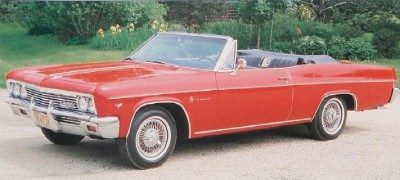
1966 Chevrolet full size redesign and engine selection
In 1966, Chevrolet’s full-size models (including the Biscayne, Bel Air, Impala, and Caprice) abandoned the previous rounded aesthetic for something sharper and more angular. The redesign introduced blocky body lines, revised fenders and a new front grille assembly. The rear has also been significantly updated with rectangular wrap-around taillights that clearly show the car’s width from afar.
The biggest news under the hood is the debut of a 427-cubic-inch V-8 engine. This engine was essentially a larger version of the existing 396-cubic-inch Mark IV small-block. There are two outputs: 390 horsepower and 425 horsepower. For buyers who don’t need as much torque, Chevrolet still offers a 396-cubic-inch V-8 with 325 horsepower and a smaller 327-cubic-inch V-8 for the base model.
Driving comfort is this year’s selling point. Chevrolet promises a “jet-smooth ride” with a new perimeter frames and improved frame mounts on hardtop models. This structural change insulates the cabin from road bumps and gives the larger car a tighter, more refined feel.
Wagons are available in all trims, including the entry-level Biscayne. Mechanical simplicity remains a priority, with all models featuring fully synchronized three-speed column gearshifts for all forward gears.
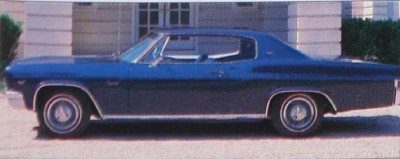
The 1966 Super Sports package brought a sharper, more athletic silhouette to the Impala lineup, anchored by new slim-profile Strato-bucket seats. While the standard Impala remained the go-to choice for families, the nameplate’s massive success as a trim option in 1965 forced Chevrolet’s hand. They elevated the posher Caprice from a mere trim level to a standalone series, aiming squarely at Ford’s upscale LTD. Billed by the brand as the “most luxurious Chevrolet yet,” the Caprice was a four-model range that refused to offer anything less than a V-8 engine.
Inside, Caprice buyers could opt for reclining Strato-back front seating, adding a layer of comfort to the premium experience. The Caprice Custom Coupe stood out with a distinctive, formal roofline that featured decorative exhaust ports located just beneath the rear window. It shared visual cues with its four-door sibling, including wide rocker sill moldings, dual color-keyed striping, and the signature fleur de lis emblems on the roof quarters.
1966 Model Lineup Breakdown
Understanding the hierarchy of the 1966 Chevrolet full-size range requires looking at the numbers. The gap between the entry-level Biscayne and the top-tier Caprice was significant in terms of both price and build quality.
| Model | Weight Range (lbs.) | Price Range (New) | Approximate Number Built |
|---|---|---|---|
| Biscayne | 3,310 – 3,895 | $2,379 – $2,877 | 122,400 |
| Bel Air | 3,315 – 3,940 | $2,479 – $3,053 | 236,600 |
| Impala | 3,430 – 4,005 | $2,678 – $3,189 | 654,900 |
| Impala SS | 3,460 – 3,630 | $2,842 – $3,199 | 119,314 |
| Caprice | 3,600 – 4,020 | $3,000 – $3,347 | 181,000 |
1967 Chevrolet Biscayne, Bel Air, Impala, and Caprice
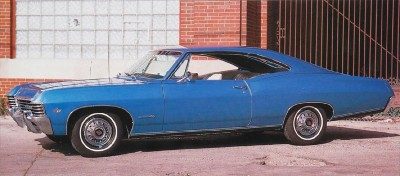
The 100 Millionth GM Car Was a Caprice. Here’s Why That Matters.
It landed on an assembly line in Wisconsin. April 21, 1967. A top-tier 1967 Chevrolet Caprice Custom Coupe rolled off the belt. It wasn’t supposed to be a milestone. It was just the 100-millionth General Motors vehicle built in the United States.
Coincidence? Maybe. Or maybe it was a sign of things to come.
This wasn’t just any Chevy. It was the poshest model in the lineup. And it was built at the Janesville facility. The car featured an exclusive formal roofline. You won’t find that silhouette on any other Chevrolet from that era. Buyers often added a vinyl top, but the metal roof shape stood alone.
The 1967 Chevrolet Caprice sat on the full-size platform. Dimensions stayed tight with the previous year. The wheelbase measured 119 inches. That’s four inches longer than the mid-size Chevelle. It was a big car. A serious big car.
Chevrolet’s ad copy loved the front end. They called it a “lattice-work grille playing peekaboo around the front fenders.” It was subtle. It was distinct. But the real differences were in the details.
Take the Impala SS. It stripped away some of the chrome clutter. Black grille accents replaced the bright metal. The bodyside moldings were black. The rear fender trim was black. It was a darker, more aggressive look. Other models? They leaned hard on brightwork. Inside and out. Lots of chrome. Lots of shine.
The SS models—the Sport Coupe and the convertible—had one specific detail they lacked. No bright wheel well trim. Just clean lines.
Inside, you had choices. Vinyl bucket seats with a center console. Or a Strato-back bench. The bench had a fold-down center armrest. It was about comfort. Or about statement.
The Impala Sport Coupe (and its SS sibling) had a roofline that mattered. It flowed. Unbroken. From the windshield, over the doors, down to the rear deck. It was graceful. It was expensive.
And then it hit 100 million.
Does that number mean anything? GM didn’t plan it. But look at what happened next. The Caprice became a legend. The full-size segment dominated the market for decades. Was the 100-millionth car a premonition?
It’s hard to say for sure. But the Caprice was ready. The platform was ready. The buyers were waiting.
“The silhouette was shared with no other Chevrolet model.”
That exclusivity mattered. It defined the luxury segment for Chevy. For years.
The lattice grille. The black accents. The unbroken roofline. These weren’t just styling cues. They were signals. You weren’t buying a Chevelle. You weren’t buying a standard Impala. You were buying the top.
And it was the 100 millionth car.
We don’t know if the engineers at Janesville knew they were building a historic artifact. They probably just tightened bolts. Checked the paint. Made sure the vinyl top was aligned.
But history doesn’t care about the bolts. It cares about the
Number game
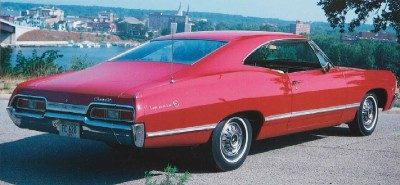
The star of the show is the 385 horsepower, 427 cubic-inch V8 engine. But not everyone can use it. Of the 76,055 Impala SS models that rolled off the assembly line that year, only 2,124 got the big-block treatment. Most are likely to be smaller 327s. Only about 400 Super Sports were interested in six-cylinder engines. This is a niche within a niche.
Unlike the Biscayne and Bel Air, the Impala was available in every imaginable body style. For obvious reasons, it always makes up the majority of sales. Total production of V-8-powered Impalas was 556,800 units. Add to that 18,800 six-cylinder Impalas and Super Sports, and you have a huge number.
The Biscayne continues to attract budget-conscious buyers. Bel Air takes luxury to a new level. More than 124,000 buyers paid extra to take home a Caprice.
1967 Chevrolet Model Breakdown
以下是 1967 年车型的重量、价格和产量情况。
Biscayne
* 重量: 3,335–3,885 磅。
* 价格: $2,442–$2,923
* 产量: ~92,800
Bel Air
* 重量: 3,340–3,940 磅。
* 价格: $2,542–$3,098
* 产量: ~179,700
Impala
* 重量: 3,455–3,990 磅。
* 价格: $2,740–$3,234
* 产量: ~575,600
ImpalaSS
* 重量: 3,500–3,650 磅。
* 价格: $2,898–$3,254
* 产量: ~74,000
Caprice
* 重量: 3,605–3,990 磅。
* 价格: $3,078–$3,413
* 产量: ~124,500
1968 Chevrolet Biscayne, Bel Air, Impala, and Caprice
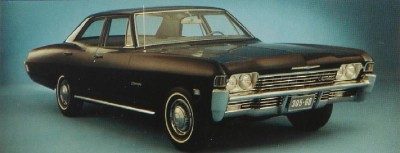
Big Chevy: Style, Sales and Casual Identity
The 1968 Chevrolet Caprice wasn’t just new. It declares itself. Sales brochures went through the roof, calling the new model “Classic”. Does it require? There is nothing more unique and stylish on the road. That’s a bold statement for a car that’s considered the pinnacle of everyday luxury.
Inside, the Caprice doubles down on comfort. We are talking about the welcome light, the ashtray light, the electronic clock and the front center armrest. The seats and door panels are also beautifully finished. It is good to place the carpet on the baseboards and the bottom of the doors. It’s a luxury. Very detailed. Designed to help you feel more satisfied.
不一致が重要な理由
カプリスは「ビッグ シボレー」として宣伝され、大々的に宣伝されました。 これはもはや単なる調整レベルではありません。 それはアメリカ人の心の中のアイコンになりつつあります。 パンフレットには、シボレーを所有すれば、シボレーの価格に見合った豊かな気分になれると約束されていました。 これがフックです。 名声を得るために高級ブランドの値上げは必要ありません。
1968 年までに、カプリスはついにインパラを追い越してベストセラー車になると予想されていました。 しかし、変革はすぐには起こりませんでした。 インパラは長年にわたって販売チャートのトップに君臨し続けています。 1968年になっても、それはまだ彼らを圧倒していました。 カプリスは、より低いトリムレベルから購入者を引き離す魅力的な車両です。
窓、空気、隠れたワイパー
見た目も変わりました。 新しい窓には通気窓がありません。 これは、空気の流れを促進するために押し開く小さな三角形の窓です。 それらがないと視認性が向上します。 シボレーは、新鮮な空気のためのソリューションとして「アストロベンチレーション」を発売します。 窓を開けずに外の空気を取り入れるという発想です。 これは、すべての車にエアコンが標準装備されていなかった時代の賢いエンジニアリングの一部でした。
ほとんどのシボレーには隠しワイパーが装備されています。 使用しないときはグリルの後ろに隠れます。 きれいなライン。 最小限の混乱。 リトラクタブルヘッドライトもオプションで、価格は 79 ドルです。 フロントエンドに洗練された統一感を与えます。 でも買う人は少ないです。 壊れる可能性のあるギミックになぜ追加料金を払うのでしょうか?標準のライトを維持します。
Full Size Chevrolet Hierarchy
A formal custom coupe is a big deal. This is a limited edition product of Caprice. It opened in Impala in 1968. By doing this you can see the lines blur. The Impala features styling cues reserved for top models of the past.
The usual front part has now got a new look. The rear bumper has triple “horseshoe” taillights. It looked very familiar. Luxurious interiors attract buyers looking for comfort without spending a lot of money.
But who bought what?
Biscayne is the cheapest of the full-size models. Seems appropriate. Nothing extra. It is a reliable and affordable car. Belle Aires still appeals to downtowners. It is between practicality and style.
Next, the Impala. It broke the sales charts. Many years have passed. This is the default selection. “Random Thoughts” is a dream. impala
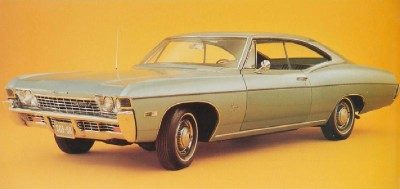
The Caprice was having a moment. It wasn’t just gaining traction; it was sprinting. This season saw 115,500 of them roll off the line. But while the posh Caprice climbed the sales charts, the Impala Super Sport took a hit.
The SS had changed. It was no longer its own distinct series. Instead, it was reduced to a $179 option package slapped onto the two-door coupe and the convertible Impalas. The result? Only 38,210 Impalas were equipped this way.
Among those, a tiny fraction wanted the big block. Just 1,778 came with the 427-cubic-inch V-8 engine. They called it the SS 427. It was a rare bird in a sea of lesser engines.
Engine Choices for the Heavyweights
Full-sized Chevys gave buyers plenty of ways to make up their minds. You could start with the modest 250-cubic-inch six. It was reliable, if not exciting. Step up to the 307-cubic-inch V-8 for a bit more grunt.
Then there were the 327s. You had a pair of choices there, depending on your horsepower needs. Want more? The 325-horsepower 396-cubic-inch V-8 was a solid middle ground.
But at the top of the food chain sat the 427.
This big block was rated at either 385 or 425 horsepower. That is plenty of vigor, even in a car that weighed close to four thousand pounds. Decisions, decisions. You were buying a boat, but you could make it fly.
1968 Chevrolet Biscayne, Bel Air, Impala, and Caprice Facts
| Model | Weight range (lbs.) | Price range (new) | Number built |
|---|---|---|---|
| Biscayne | 3,400-3,900 | $2,581-$3,062 | 82,100 (approx.) |
| Bel Air | 3,405-3,955 | $2,681-$3,238 | 152,200 (approx.) |
| Impala | 3,250-3,940 | $2,846-$3,358 | 710,900 (approx.) |
| Caprice | 3,660-4,005 | $3,219-$3,570 | 115,500 (approx.) |
1969 Chevrolet Biscayne, Bel Air, Impala, and Caprice
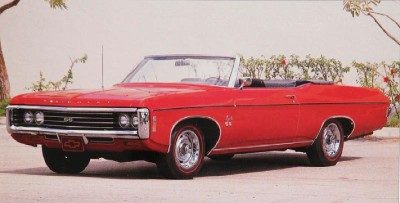
The 1969 Chevrolet Impala arrived with a sharp new silhouette that replaced boxy edges with sculpted body sides that stretched its visual profile. It may have looked different, but the family resemblance to its predecessors remained unmistakable.
Underneath the fresh sheet metal, the engineering stayed conservative.
The wheelbase held firm at 119 inches, which was only three inches longer than the four-door Chevelle.
The 1969 redesign emphasized visual length and sculpted curves without compromising the familiar full-size footprint.
The front end told a different story than the subtle changes elsewhere. An updated grille sits between four deep-set headlights, all wrapped in a thin, subtle bumper. It was a cleaner, more aggressive look that set the Impala apart from the heavier, chrome-laden designs of the mid-60s.
At the back, the design became significantly tighter. The fenders bulged noticeably around the wheel arches, giving the car a planted, muscular stance. The taillights were now rectangular and placed neatly in a slimmer rear bumper. This slimmer bumper treatment matched the front and offered a consistent, less flashy aesthetic.
For enthusiasts looking at 1969 Chevrolet Impala specs, the body changes were the headline. The longer look was a direct response to market trends favoring sleeker, more modern lines. However, by maintaining the wheelbase, Chevy ensured that the driving dynamics and interior space were in line with what buyers already knew and liked. It was a redesign that balanced the new with the familiar.
The curved fenders weren’t just for show. They accommodated the wide tires and suspension geometry of the later performance packages. But even in its basic form, the 1969 Impala sat lower and wider than its 1968 counterpart. The slimmer bumpers reduced some weight and provided a sleek, aerodynamic feel.
What about the interior? That story is for another time. But for those looking for which 1969 Impala has the best resale value, the exterior condition of these new body lines is often the first thing collectors consider. The sculpted sides are prone to denting, but when they’re straight, the car has a presence that the previous generation lacked.
Moving to rectangular taillights also changed the perception of the rear. It looked less like a tailfin descendant and more like a modern sedan. This was part of a wider industry shift away from the excessive stylistic elements of the late 60s. Chevy’s solution was subtle. It worked.
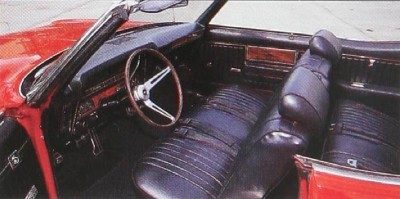
“Everybody gets to Easy Street.” That was the pitch. The brochure pushed hard on that promise. Inside, the cabin got a minor refresh. Hide-A-Way wipers made their way into Impalas. Vinyl strips ran along the body sides on the Bel Airs and Biscaynes too. The full-size lineup stayed intact. You still had the workhorse Biscayne. The middle-child Bel Air. The star Impala. And the posh Caprice at the top.
Coupes in the Impala and Caprice lines got a new trick. An electric rear-window defogger became an option. It was a small thing. But it kept the glass clear when the weather turned. Ignition switches moved too. They dropped from the dashboard to the steering column. A move that would become standard, but here it was new.
Under the hood, the entry-level engine didn’t budge. It was still the 250-cubic-inch six. 155 horsepower. Reliable. Boring. The V-8s grew. The base small-block jumped from 327 to 350 cubic inches. Power sat at 235 horsepower. The big-blocks started making noise. The 427 cubic-inch V-8 cranked out 390 horsepower. If you wanted that badge, you bought the Super Sport package.
SS was an engine and trim combo. It cost $422 extra. Not cheap for 1969 money. Only 2,455 Impalas wore the SS badge. We’re talking Custom Coupes, Sport Coupes, and convertibles. If you ordered the big 427, the car earned the “SS 427” designation. It was a serious performance option.
In the middle, you had choices. 350-cubic-inch V-8s came in 255 and 300 horsepower flavors. There was also a 396 cubic-inch V-8. 265 horsepower. Not the fastest option, but plenty for highway cruising.
Here is the breakdown of what moved in 1969.
| Model | Weight Range (lbs.) | Price Range (New) | Production |
|---|---|---|---|
| Biscayne | 3,530 – 4,170 | $2,645 – $3,169 | ~68,700 |
| Bel Air | 3,540 – 4,230 | $2,745 – $3,345 | ~156,700 |
| Impala | 3,640 – 4,285 | $2,911 – $3,465 | ~777,000 |
| Caprice | 3,815 – 4,300 | $3,294 – $3,678 | ~166,900 |
The numbers show the hierarchy. Impala was the volume leader. By far. Biscayne was the budget pick. Caprice sat at the top, both in price and in perceived luxury. But it wasn’t selling as well as the
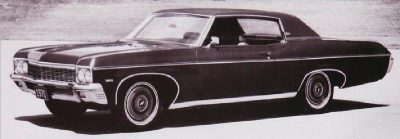
1970 Impala Redesign: Style over Substance
The 1970 Chevrolet Impala did away with the era’s distinctive grille and bumper combination, visually setting it apart from its predecessor. The front and rear panels have been completely redesigned, which gives the impression of a thorough renovation. In fact, the mechanical changes are surprisingly gentle.
Behind the scenes, the line-up has changed significantly. The in-line 6-cylinder engine is discontinued in the 2-door Impala and is limited to the 4-door sedan model. V-8 power starts with a 250-horsepower, 350-cubic-inch engine. Buyers looking for more performance can choose from a 300-horsepower version of the 350, a 265-horsepower 400-cubic-inch V-8, or one of two new 454-cubic-inch engines.
Developed to meet future emissions standards, the new 454 replaces the legendary 427 V-8. These larger displacement units offer 345 or 390 horsepower.
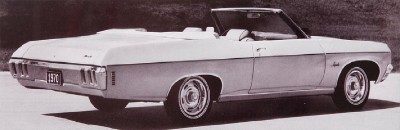
The Hard Truth About 1970 Volume
The two-door body style vanished for the entry-level crowd. Biscaynes and Bel Airs were stuck as four-door sedans. If you wanted a wagon, you had to choose the Brookwood or the Townsman. The real action shifted entirely to the Impala and Caprice lines, which offered hardtop-styled two-doors. Convertibles were becoming ghosts. Only three Chevrolet models still offered a ragtop, with the Impala leading the pack at just 9,562 units built. Interest in open-top driving was dying. So was the obsession with large, sporty muscle. That decline killed the Impala Super Sport package entirely.
Production numbers took a hit. Full-size output dropped below the million mark. A 65-day strike in the fall of 1970 was the main culprit. Despite the labor shutdown, the Impala dominated sales charts, far outpacing other big Chevys.
1970 Chevrolet Biscayne, Bel Air, Impala, and Caprice Facts
| Model | Weight range (lbs.) | Price range (new) | Number built |
|---|---|---|---|
| Biscayne | 3,600-3,759 | $2,787-$2,898 | 35,400 (approx.) |
| Bel Air | 3,604-3,763 | $2,887-$2,996 | 75,800 (approx.) |
| Impala | 3,641-3,871 | $3,021-$3,377 | 505,471 (approx.) |
| Caprice | 3,821-3,905 | $3,474-$3,527 | 92,000 (approx.) |
| Station Wagon | 4,204-4,361 | $3,294-$3,886 | not available |
1971 Chevrolet Biscayne, Bel Air, Impala, and Caprice
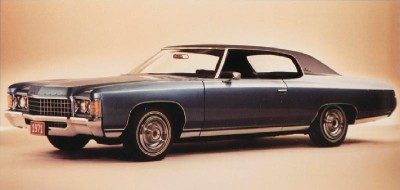
The 1971 Chevrolet Impala: Body Styles and Engine Options
The 1971 Chevrolet Impala stood as the accessible alternative in Chevrolet’s full-size lineup, offering four distinct body styles for those who couldn’t or wouldn’t stretch for a posh Caprice hardtop coupe or sedan. You could pick a two- or four-door pillarless hardtop, a standard four-door sedan, or a convertible—a style that was already on its way out. For a slightly more upscale look without the full Caprice price tag, the Impala Custom Coupe offered the higher roofline associated with the top-tier model but kept mid-range trim levels.
Under the hood, the entry-level engines were modest. The standard powerplants included a 250-cubic-inch inline-six and a 307-cubic-inch V-8. But if you wanted serious muscle, options stretched all the way to a massive 425-horsepower 454 cubic-inch V-8. This range of power options made the 1971 Impala a versatile choice for drivers seeking everything from basic transportation to high-performance cruising.
Design Changes and Production Numbers
This year’s redesign wasn’t just about new engines; it changed the entire shape of large Chevrolets. The bodywork bulged in nearly every direction—at the beltline, along the sides, and even on the hood. A new eggcrate-patterned grille took center stage, while prominent front-fender leading edges gave the cars a hint of Cadillac’s premium look. The wheelbase was also stretched to 121.5 inches, with wagons getting a longer 125-inch wheelbase to accommodate extra cargo space.
Impala production topped 475,000 units (excluding wagons), proving its popularity. However, only a handful of these cars came with the six-cylinder engine. Chevrolet promoted its flow-through ventilation system, but the vent louvers stamped into decklids and wagon tailgates soon drew complaints about water leakage. This issue became a notable flaw for owners who expected the ventilation to work as advertised.
The Biscayne: Entry-Level Elegance
The Biscayne served as the lowest-priced model in the Chevrolet full-size range, marketed only as a four-door sedan. Its “economy” roots weren’t particularly evident at a glance. Dressed up with chrome window trim, side moldings, whitewall tires, and full wheel covers, a Biscayne looked considerably nicer than its official base-model status might suggest. It offered a stylish appearance without the higher price tag of the Bel Air or Impala.
Despite its attractive styling, shoppers willing to pay more to move up to a Bel Air or Impala were indifferent to the 1971 Biscayne line. Only about 22,000 units went out the door, a significant drop from previous years. The line would disappear after the 1972 model year, marking the end of an era for Chevrolet’s entry-level full-size sedan. The Biscayne’s decline highlights how consumer preferences shifted toward more feature-rich models, even if it meant spending a bit more.
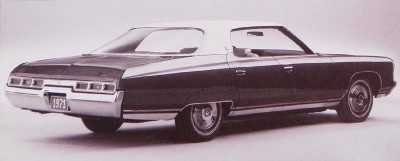
The 1971 model year was a mixed bag for the big Chevys. Sure, they still had a cult following. But the UAW strike hammered production. It shut down every Chevy plant for two months. Sales took a hit. Yet, nearly 668,000 units still rolled off the line. That’s not a bad tally for a disrupted year.
But look at the engine bay. Only 10,200 of those big bodies shipped with inline-six motors. Buyers didn’t want to hear the hum of a six. They wanted V-8 power. They wanted the thunder to match the Cadillac-like styling. The resemblance was strongest on the 1971 Chevrolet Caprice.
Historian George Dammann noted something key here. A fully loaded Caprice or Impala wasn’t just comparable to a Cadillac. It was hardly less nice. Little wonder dealers moved them easily. The luxury was there. The badge just cost less.
1971 Chevrolet Biscayne, Bel Air, Impala, and Caprice Facts
| Model | Weight range (lbs.) | Price range (new) | Number built |
|---|---|---|---|
| Biscayne | 3,732-3,888 | $3,096-$3,448 | 22,309 |
| Bel Air | 3,732-3,888 | $3,233-$3,585 | 315,986 |
| Impala | 3,742-3,978 | $3,391-$4,021 | 374,598 |
| Caprice | 3,964-4,040 | $4,081-$4,134 | 110,497 |
| Station Wagon | 4,542-4,738 | $3,929-$4,498 | 115,007 |
1972 Chevrolet Biscayne, Bel Air, Impala, and Caprice
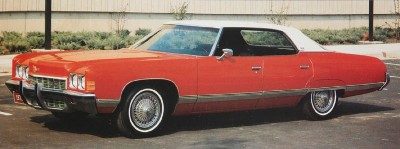
寸法上の利点
1971 年のシボレー インパラのホイールベースは 0.5 インチ長くなりました。 これは些細なことのように聞こえるかもしれません。 これは事実ではありません。 他のすべてのフルサイズのシボレーに適用されるストレッチと一致します。 全長は220インチに達します。 これにより、GMの主力ブランドはビッグ3の中で最大となる。 サイズが欲しいのです。 シボレーが提供しました。
ステーションワゴンは別の道を進みました。 ホイールベースは以前の 125 インチを維持しました。 その代わりに、ボディ全体を 226 インチまで伸ばしました。 巨大な。 実用的。 恥じることのない大きさです。
Design changes
フロント周りがすべて新しくなりました。 V字型グリルが主役です。 シャープに見え、高級感があります。 The Biscayne, Bel Air, Impala and the top-of-the-line Caprice all got new faces. They no longer look like sister models. They look very different.
“You love the fancy grilles on cars that cost hundreds of dollars.”
There is nothing wrong with this statement from the Caprice guide. The grill looks quite expensive. Our range also includes Brookwood, Townsman, Kingswood and Kingswood Estate vans. It is shaped like a box. they are useful. The full size image is now ready.
Sales volume
Chevrolet’s full-size production (including station wagons) exceeded the million mark. That’s a lot of steel. But Impala convertibles are rare. Only 6,456 units were built. But overall, the Impala brand is growing. It remains the most popular model name in automotive history. この年、1000万台目のインパラが販売されるというマイルストーンを迎えました。
キャプリスも劣っていませんでした。 178,455 units were shipped from the factory. プレミアムブランドとしての販売数は好調でした。
动力总成选项
功率是多种多样的。 最大的选择是 454 立方英寸的 V-8,功率为 270 马力。 您还可以选择 402 立方英寸、210 马力的 V-8 发动机。 400 立方英寸的 V-8 发动机可提供 170 马力的动力。 也有更小的发动机可供选择。 有 350 立方英寸的 V-8 发动机,额定功率为 165 和 200 马力。
六缸发动机是事后才想到的。 出厂的全尺寸雪佛兰直列六缸车不到 3,900 辆。 大多数买家想要 V-8。 选择是明确的。
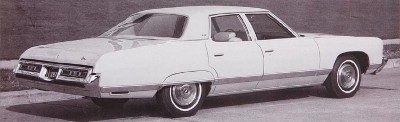
The 1972 Caprice lineup expanded its luxury credentials with the introduction of a new pillared four-door sedan. This addition joined a range that otherwise relied on hardtop styling, effectively giving buyers more choices if they preferred a B-pillar for easier rear-seat access. Under the hood, every Caprice came standard with the Turbo-Fire 400 cubic-inch V-8. It was paired with Turbo Hydra-Matic automatic transmission and variable-ratio power steering—a feature that made steering feel lighter at low speeds and more stable at highway speeds. The top-tier wagon remained the Kingswood Estate, recognizable by its simulated wood paneling along the sides. One minor design tweak? The ventilation louvers that used to adorn the tailgates of full-size station wagons were gone.
This year also marked a significant leadership change at Chevy. General Manager John Z. DeLorean left General Motors to pursue his own venture. He was already well-known for his work at Pontiac and his reputation for building performance cars. His new project would involve a stainless-steel sports car bearing his name, though that endeavor would ultimately prove ill-fated.
1972 Chevrolet Full-Size Sales and Pricing Breakdown
The numbers for 1972 tell a story of where the market stood. The Biscayne, the entry-level model, saw the lowest production numbers. It weighed between 3,857 and 4,045 pounds and carried a price tag ranging from $3,074 to $3,408. Only 20,538 units were built.
The Bel Air sat a step above, offering a slightly higher price point of $3,204 to $3,538. Weight ranged from 3,854 to 4,042 pounds. Chevrolet produced 41,888 of these.
The Impala was the volume leader. Weighing between 3,864 and 4,150 pounds, it commanded a price of $3,369 to $3,979. Nearly 598,000 Impalas rolled off the line, making it the most popular choice by a wide margin.
The Caprice, positioned as the luxury option, weighed significantly more, ranging from 4,102 to 4,203 pounds. Prices sat between $4,009 and $4,076. Total production hit 178,455 units.
Station wagons, regardless of trim level, were heavier and priced accordingly. They weighed between 4,686 and 4,883 pounds and cost between $3,882 and $4,423. Production numbers for wagons totaled 171,703.
1973 Chevrolet Bel Air, Impala, and Caprice
The lineup carried into 1973 with the Bel Air, Impala, and Caprice names continuing to define the full-size spectrum. The hierarchy remained clear: Biscayne for base utility, Bel Air for mainstream appeal, Impala for performance and style, and Caprice for
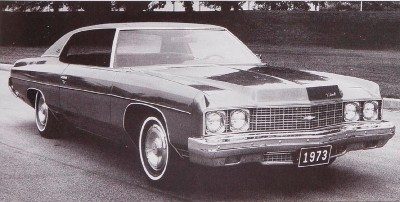
The Last Stand of the Big Chevys
If you wanted to go on an open air cruise in 1973, your options were very limited. The Corvette has its own lane, but if you want something bigger, heavier and decidedly American, there’s only one other convertible in the entire Chevrolet lineup. It was the Caprice Classic. Chevrolet sold 7,339 units, each costing $4,345. That was a lot of money in those days. Marketing agencies dubbed the car “the ultimate Chevrolet,” but the name was more than just hype. It was a structural fact of the lineup.
The hierarchy has changed. Biscayne disappeared and was completely delisted. That makes the Bel Air the entry-level model, and the Impala sits comfortably in the middle. At the top? The Caprice. When the traditional top model is disappearing, it leads none other than a king without a kingdom.
Wagons didn’t escape the consolidation either. The Biscayne-based Brookwood was scrapped and incorporated into the passenger car line. What remained at the top of the wagon heap was the Caprice Estate. It inherits the prestige, price and presence of its sedan sibling.
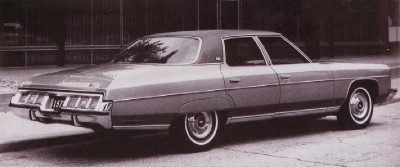
In terms of design, the car probably aimed to look more stylish than it actually looks. A rear flap hem is now standard on Caprices, except for wagons. These weren’t just for show. They were intended to emphasize the gentle lines of the body and hide the wheel recesses to create a smoother, uninterrupted profile.
Safety regulations are in effect. Federal regulations require the front bumper to travel 5 mph. These are ugly and clumsy, but necessary. Rear bumper? It only needs to withstand a 2.5 mph impact. Engineers exploited that loophole. The back remains relatively clean and undisturbed compared to the brawler’s face in front. Roofs were reinforced. Side door beams were thickened. Although it doesn’t look very strong, the car is getting stronger.
The front end was changed primarily due to the new bumper requirements. Two different grille styles are available, both sitting atop the obligatory rubber front. The grille on the Caprice has a more graduated lattice pattern than the smaller model, giving it a slightly premium feel. Fender covers have been updated to match the revised styling cues.
以下も同様に具体的です。 テールライトは丸みを帯びたエッジを失い、より四角くなり、時速2.5マイルの軽量基準を満たすために控えめに再設計されたリアバンパーに統合されました。 しかし、実際に多くを語るのは光そのものです。 カプリスは両側に 3 つのテールライトの伝統を保持しています。 下位モデルには2つあります。 細かいことですが、他のすべてが変化しているラインナップでは、3 つのライトクラスターがステータスを示します。
グライドアウェイ テールゲートは、依然としてワゴン購入者にとってユニークな機能です。 これは木材や芝生の家具を運ぶ人にとっては実用的な方法ですが、もう 1 つの差別化要素でもあります。 そのテールゲートを見れば、食物連鎖の頂点を見ていることがわかります。
カプリースは一線を越えた。 ビスケーンは死んだ。 ブルックウッドはなくなってしまった。 残っているのは、フロントエンドが少々醜いものの、技術的にはより安全な車だが、これがシボレーの製品の最高峰であることは間違いない。 のために
The powertrain lineup didn’t change much, but the options widened for those who wanted more shove. The base engine remained the 250-cubic-inch inline-six or the 307-cubic-inch V-8. Full-size models could be ordered with a 350 V-8, while the Caprice could even get a massive 454. That big block produced either 215 or 245 horsepower depending on tuning.
Chevrolet also stretched its original small-block V-8 to 400 cubic inches. It breathed through a simple two-barrel carburetor, which kept power output at a modest 150 horsepower. It wasn’t much. The six-cylinder engine found its way only into Bel Airs equipped with a column-shifted three-speed transmission. If you had a 350 V-8 or larger, you were stuck with the Turbo Hydra-Matic automatic.
Fuel tanks held 22 gallons. These cars drank gas. Owners made frequent trips to the pump because the vehicles were far from frugal. That engineering oversight became a major liability when the oil crisis hit in late 1973. Motorists stood in long lines, waiting hours for fuel that wasn’t coming.
1973 Sales and Pricing Breakdown
The numbers show where the money was. The Caprice and Impala dominated the volume. The Bel Air was a niche choice, likely for base-model buyers or fleet orders.
| Model | Weight Range (lbs.) | New Price Range | Units Built |
|---|---|---|---|
| Bel Air | 3,895 – 4,087 | $3,247 – $3,595 | 41,832 |
| Impala | 4,096 – 4,162 | $3,386 – $3,822 | 549,482 |
| Caprice | 4,103 – 4,208 | $4,064 – $4,345 | 212,754 |
| Station Wagon | 4,717 – 4,858 | $4,022 – $4,496 | 173,978 |
The station wagon carried a premium, both in weight and price. It was heavier than the sedans and cost more to buy. Yet it sold well, proving that utility still mattered to American buyers despite the rising cost of fuel.
1974 Chevrolet Bel Air, Impala, and Caprice
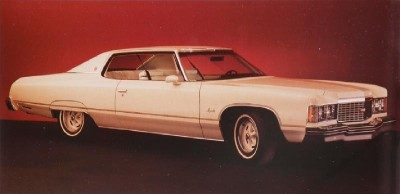
1974 Impala: Survival in the Shadow of the Embargo
The energy crisis not only slows down the growth of the industry, but also slows down its growth. It stopped the cold. By 1974 Chevrolet production had dropped 15%. The OPEC oil embargo in 1973-1974 hit the market hard. Suddenly, the minds of American consumers changed. Big cars like the Impala, Caprice and Bel Air went from status symbols to burdens. Buyers want smaller and more economical cars. To be honest, it really doesn’t help that Chevrolet is raising prices by 10% at the same time.
Design development as the market shrinks
The 1974 Chevrolet Impala** continued to push the boundaries of design despite the decline. The Custom Coupe introduced a striking new roof line. This is a continuation of the “Colonnade” look that debuted on last year’s Chevelles. What is the most important feature? Long, fixed quarter windows. This season they are larger and replace the roll-down glass of the past.
A true pillarless hardtop coupe has not been thrown away. The Impala Sport Coupe continues the roof line introduced in 1973. On closer inspection, it looks strikingly similar to the roof treatment of the original 1966 Caprice. The front has also received a new look. The redesigned grille features unique vertical bars, all with bright accents.
独立したドライバーのための贅沢な体験
マーケティングチームは最上位モデル専用のキャンペーンを開始した。 カプリス クラシック の販売パンフレットでは、「うらやましい贅沢」を宣伝しています。 対象読者? 「運転することが車のやるべきことだと思っている人。」これは皮肉だが、渋滞に耐えられなくなった世代にとっては妥当な視点だ。
売上高は奇妙な展開を見せた。 The Caprice Classic four-door sedan was outsold by its coupe and hardtop sedan counterparts. これは直観に反します。 他のボディタイプはさらに高価になります。 ただし、購入者はそれらを好みます。 コンバーチブルはアメリカ市場ではますます稀になり、絶滅しつつある車種です。 しかし、シボレーはそれらを完全に排除することを拒否している。 コンバーチブルのカプリス クラシックは、依然として熱心なユーザー向けのオプションです。
皮下
底盘进行了重大更新。 全尺寸汽车采用新的悬架装置。 它专门针对子午线轮胎进行了调整。 这些钢带子午线逐渐成为标准,提供更好的操控性和更长的使用寿命。 在舒适性和效率突然出现矛盾的一年里,这是一次必要的变革。
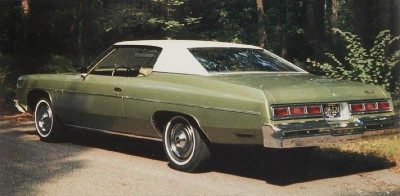
Spirit of America
You can tell from a mile away. Chevrolet rolled out its “Spirit of America” line for the Impala, Nova and Vega, wrapping the models in patriotic white paint with bold red and blue stripes. This is more than just a sticker job. Each vehicle has a special identification badges. This group’s Impala has unique wheels to match its style.
Sure, it’s a visual gimmick, but under the paint the car is still very competent. The full-size wagons has a Glide-Away tailgate and this feature actually works without the usual mechanical issues. Tow ratings tells the truth about your ability. Paired with the optional 454-cubic-inch V-8 engine (making a modest 235 horsepower), the wagon could haul 7,000 pounds. That’s a lot of weight for an engine that barely makes more than 250 horsepower by today’s standards.
The wagon’s standard powertrain is a 400-cubic-inch V-8 engine with 180 horsepower. Other full-size models offer a 350-cubic-inch V-8 option. The Caprice, on the other hand, got a detuned 150-horsepower version of that 400 cubic inch block. Comfort wins over speed. Always comfort.
1974 Chevrolet Sales and Specifications
The 1974 data shows exactly where the money went. Bel Air hotels are the first choice for budget hotels, but they still replace many hotels.
1974 Chevrolet Bel Air, Impala, Caprice Facts
| Model | Weight Range (lbs) | Price range (new) | Production quantity |
|---|---|---|---|
| Bel Air | 4.148 | $3,960 | 24,778 |
| Impala | 4,167–4,256 | $4,135-$4,229 | 357,754 |
| Caprice | 4,245–4,344 | $4,465-$4,745 | 155,908 |
| Wagon | 4,829–5,004 | $4,464-$4,914 | 91,407 |
See Impala sales. It is dominant. About 360,000 units moved off the lot. The sale of more than 155,000 Caprices proved that it was worth spending a few hundred dollars more on the badge, and for buyers looking for more presence, a slightly heavier body. Although there are fewer of wagons, they command a higher price due to their practicality and size (the heaviest trim weighs around 5,000 pounds).
1975 Chevrolet Bel Air, Impala, and Caprice
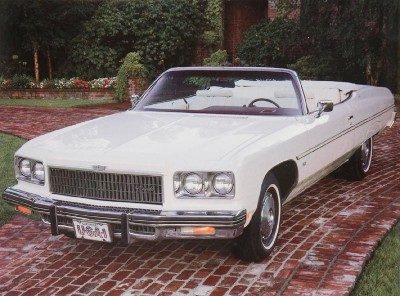
The marketing pitch for the 1975 Chevrolet Impala was simple: “Chevrolet makes sense for America.” It was a catchy slogan for a brand committed to its biggest, most fuel-guzzling vehicles. Despite the oil crisis lingering in the rearview mirror, Chevy continued to push the big iron. They knew their customers wanted size, and they were willing to sell it hard.
Caprice Classic: The Last Stand
The Caprice Classic hardtop sedan was the flagship. From front to back it was 223 inches long. That’s a lot of metal. Chevy gave the four-door hardtop a fresh look by cutting the side windows into the sail panels on the roof. It wasn’t just style. Fender skirts were standard. This also applies to bright wheel moldings.
Every Caprice was a fully finished classic. You can choose from five body styles:
* Coupe
* Landau coupe
* Four-door sedan
* Sports sedan
* Convertible
This last option was significant. 1975 was the last year of the full-size Chevrolet convertible. The Caprice convertible is listed for $5,113. This price does not include accessories that most buyers added. For the first time, buyers could choose a 50/50 reclining passenger seat. You can also choose the sports fabric interior. These were not small changes. They tried to keep the open-air dream alive.
The production numbers tell the real story. Chevy built 8,349 full-size ragtops. That was more than since 1970, when 9,562 open-top Impalas entered dealerships. But it wasn’t growth. It was a slow bleed. The time of the oversized, flashy American convertible was over. There would be no comebacks.
Impala line
The Impala line remained smaller than the Caprice. It consisted of two coupés and two sedans. You can get them with or without pillars. Chevy continued to promote the Impala as “America’s Favorite Car.” The brand hadn’t changed, even if the market had.
The alternative was a Landau coupe. It didn’t move well. Only 2,465 of them were produced. People wanted a big Caprice. Or they didn’t want anything.
Impala and Caprice were heavy. They drank gas. But they were available. And for a moment that was enough. Then it wasn’t.
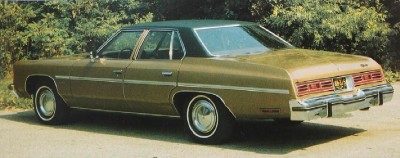
The Final Stand of the Pillared Sedan
The pillared Impala sedan became the volume leader for Chevrolet’s full-size lineup, moving 91,330 units thanks to a refreshed roofline that offered larger rear door windows. It was the sensible choice for buyers who didn’t want the hassle of a hardtop. The 1975 Chevrolet Bel Air, however, was fading fast. Facing its final season as a distinct model, the line was stripped down to offer nothing but a four-door sedan. It struggled to find customers, with total sales plummeting. Full-size models overall continued their downward slide, selling about half the volume they had in 1973. The 1975 Chevrolet Caprice and the stripped-down Bel Air were left holding the bag as the market shifted.
Efficiency Changes Under the Hood
Chevrolet didn’t just shrink the lineup; it tweaked the mechanics across all passenger cars with the “GM Efficiency System.” This wasn’t just marketing fluff. Every car got a catalytic converter and an electronic High Energy Ignition (HEI) system. Installing the “cat” allowed engineers to recalibrate the engines. In many cases, this led to better gas mileage and improved durability without sacrificing the torque drivers were used to. The full-size range still offered three station wagon options: the Caprice Estate, the Impala, and the Bel Air. Each could be had with either two or three seats, catering to families who needed to haul gear even as sedan sales dried up.
1975 Chevrolet Bel Air, Impala, and Caprice Facts
The numbers paint a clear picture of what was selling and what was dying. The Bel Air was the smallest in both price and volume. The Impala sat in the middle, moving the most units. The Caprice, with its extra luxury and weight, commanded the highest price but still moved a respectable number of units. Station wagons, while fewer in number, held their own in terms of pricing power.
| Model | Weight range (lbs.) | Price range (new) | Number built |
|---|---|---|---|
| Bel Air | 4,179 | $4,345 | 15,871 |
| Impala | 4,190-4,265 | $4,548-$4,901 | 211,708 |
| Caprice | 4,275-4,360 | $4,819-$5,113 | 122,339 |
| Station Wagon | 4,856-5,036 | $4,878-$5,351 | 71,766 |
1976 Chevrolet Impala and Caprice
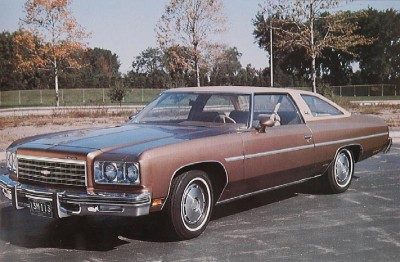
最後の真に大きなシボレー
1976 年モデルは、シボレーのフルサイズ ラインナップの時代の終わりを告げました。 ベルエアの銘板が廃止され、残っているのはインパラとカプリスだけとなった。 フロントエンドは刷新されていますが、スタイリングの特徴はバッジによって異なります。 カプリス モデルには、新しい長方形のヘッドライトとユニークな 3 ユニットのラップアラウンド テールライトが装備されています。 インパラは、4 つの丸いヘッドライトを備えた、より伝統的な外観を維持しています。
ピラーレスのインパラ スポーツ クーペは生産終了となりました。 そのため、2ドアの選択肢はフォーマルな外観のカスタムクーペのみとなる。 4ドアハードトップも消滅し、最終年をもって終了した。
寸法と仕様: 1976 シボレー インパラおよびカプリス
これらの車は大きいです。 全体の寸法が 222 インチを超え、ホイールベースが 121.5 インチのこれらは、真に大きな最後のシボレーでした。 カプリス クラシックとインパラは、その圧倒的な存在感で道路を支配します。
ボンネットの下では、愛好家たちにこの大型エンジンを使用する最後のチャンスが与えられました。 454立方インチのV-8は最後に入手可能でした。 225馬力を発生しました。 今日の基準からすると大したことではありませんが、重い鋼鉄のボディを威厳をもって動かしました。 ペリメーターフレームとフルコイルスプリングサスペンションが連携して路面の凹凸を吸収します。 車の所有者はスムーズな運転体験を高く評価しています。
Luxury and comfort in 1976
The interior focuses on soft texture and comfort. The dashboard, steering wheel and door panels are finished with simulated rosewood vinyl. It gives the cabin a warm, luxurious feel without real wood.
Each model is equipped with steel-belted radial tires. Automatic transmission is standard equipment. Power brakes and variable-ratio power steering provide drivability that suits the luxurious interior. If you need even more flexibility, you can replace the standard bench seat with a 50/50 split front seat.
Landau Coupes have a padded elk-grain vinyl half roof. It fits the interior and adds luxury. These details are important to buyers who want a full-size Chevrolet to feel like a personal luxury car.
The 1976 Impala and Caprice represented the last of traditional American car design. It is large, stylish and well equipped. They offer a driving experience that smaller and more efficient cars cannot replicate.
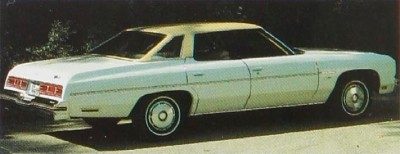
“There’s simply no such thing as too much comfort.” That was the pitch in the sales brochure for the 1976 Chevrolet Caprice Classic. You could buy it as a sedan, a sport sedan, a coupe, or the more upscale Landau coupe. Inside, the standard upholstery was a knit cloth and vinyl combo, or you could opt for a soft expanded all-vinyl interior. Chevrolet didn’t cut corners on the driving dynamics either. Front and rear stabilizer bars came standard, along with a radial-tuned suspension system featuring modified shock absorbers. It was engineered to soak up the road, not fight it.
The 1976 Chevrolet Impala sat right alongside its bigger brother, offering the same four body styles. The marketing team billed it as “a tradition that keeps getting better.” But if budget was the only concern, there was the Impala S four-door sedan. It lacked the extra trim and skipped the steel-belted tires. It was the no-frills entry point. For those willing to spend a little more, the options list was robust. You could get a reclining passenger seat, a power six-way front seat, power locks and windows, and even a power trunk opener. Rear defoggers and air conditioning—either the Four-Season or Comfortron systems—were available if you wanted to control your climate.
By The Numbers
Here is how the 1976 Chevrolet Impala and Caprice performed in the market. These figures show exactly what buyers were paying and which models dominated the lots.
| Model | Weight Range (lbs.) | Price Range (New) | Number Built |
|---|---|---|---|
| Impala | 4,175–4,245 | $4,507–$5,058 | 198,231 |
| Caprice | 4,244–4,314 | $5,013–$5,284 | 152,806 |
| Station Wagon | 4,912–5,007 | $5,166–$5,546 | 72,819 |
The Impala moved the most units. Nearly 200,000 of them left the lots. The Caprice followed with about 153,000, and the station wagon, while heavier and pricier, still found 72,819 buyers. It was a hierarchy of comfort and cost. The Impala S was the door opener. The Caprice Landau was the ceiling. Everyone else lived in between.
1977 Chevrolet Impala and Caprice
The momentum carried into the next model year. The 1977 Chevrolet Impala and Caprice retained their lineage but faced a changing landscape. Buyers were starting to look elsewhere for fuel economy, yet the American sedan remained a staple. The comfort focus didn’t vanish; it just had to justify its existence against smaller imports. The suspension tweaks from ’76 remained. The interiors stayed plush. The question wasn’t whether they were
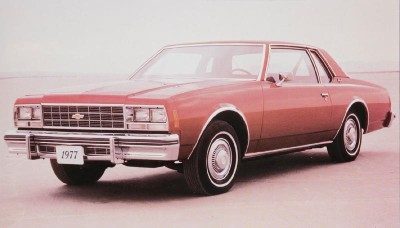
大型シボレー向けの新しいロジック
1977 シボレー インパラとカプリスは単にアップデートされただけではありません。 それらは完全にゼロから再構築されました。 これは小さな調整ではありません。 それはBボディの再設計であり、巨人のサイズを縮小しました。 GMはそれをダウンサイジングと呼んでいる。 批評家たちは、これは燃費への屈服だと言う。 国民には単に「時代により適している」と言われました。
新型フルサイズシボレーは短くなった。 彼らは背が高いです。 そちらのほうが狭いです。 マーケティングの熱狂は、自動車が「世界のより少ないスペース」を占めることを約束した。 これは、何十年にもわたってアメリカの道路を定義してきた車両に対する大胆な主張です。
Interior Paradox
This is the twist that sellers rely on. These cars have smaller exterior dimensions but more interior space. More headroom. The rear seat legroom has been expanded. Surprisingly, the trunk has 20.2 cubic feet in sedan body style. This is an engineering paradox that ignores the obvious mathematics of metal shrinkage.
Motor Trend thinks this change is worth it. They named a downsized Chevrolet car of the year. The industry took note of that. The smoother, easier-to-handle full-size lineup received only a minor facelift in 1980, and production continued through the 1990 model year. This longevity speaks volumes for the success of the original design.
Police and performance
These smaller models just won’t sit in your driveway. They dominated the police force in the late 1970s and 1980s. Why? Because engineering held up. The compact V-8 proved its worth under pressure. When chasing a suspect at 100 mph on a Tuesday night, reliability is more important than size.
Efficiency also affects the choice of engine. Six-cylinder power returns to the lineup. This is no longer a compromise. This is a strategic move. The six-cylinder engine is rated by the EPA at 17 mpg city and 22 mpg highway. That’s respectable for a car with this footprint.
Engine Bay Details
305 立方英寸的 V-8 成为批量销售者。 它配备两筒化油器,可产生 145 马力的功率。 对于那些想要更多动力的人来说,350 立方英寸的 V-8 发动机可以提供 170 马力的动力。 两者都比前代产品提供了更好的燃油经济性。 V-8 的高速公路额定油耗为 20 英里/加仑。 城市驾驶油耗降至 16 英里/加仑。
机舱内部进行了小而智能的更新。 一种新的智能开关将调光器控制和转向信号组合到一个杆中。 它减少了混乱。 它简化了驾驶员的操作范围。 这是一个很小的变化,但却反映了新的效率理念。
大型陆地游艇雪佛兰的时代已经结束。 取而代之的是一些更轻的东西。 更聪明。 更难以忽视。 1977 年的重新设计为随后的设计奠定了基础。 公众接受这一改变吗? 大多数人都这么做了。 他们需要gas。 他们喜欢这个空间。 他们继续开车。
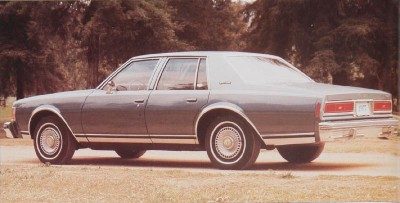
The rear end changed first. That Glide-Away tailgate vanished, replaced by a mundane Door-Gate that swung open to the side or folded down like a normal person’s car. It wasn’t subtle. The wheelbases for the wagons shrank from 125 inches down to 116, matching the coupes and sedans. Overall length took a hit of more than a foot.
The Impala series stayed lean. A coupe. A four-door sedan. A four-door station wagon that could seat two or three. Mid-year, they tossed a lavishly trimmed Impala Landau Coupe into the mix. But the real story was the Caprice. It was completely different. It redefined the entire concept of the American-made full-size automobile. It signaled “the shape of cars to come.”
1977 Chevrolet Impala and Caprice Facts
| Model | Weight range (lbs.) | Price range (new) | Number built |
|---|---|---|---|
| Impala | 3,533-4,072 | $4,876-$5,406 | 320,279 |
| Caprice | 3,571-4,118 | $5,187-$5,734 | 341,382 |
1978 Chevrolet Impala and Caprice
The momentum didn’t stop. The 1978 models carried the torch, though the landscape was shifting. Enthusiasts were already looking at smaller imports, but the Big Three weren’t ready to fold just yet. The Caprice became the halo. The Impala remained the workhorse. Prices crept up. Weight stayed heavy. But the design language had settled into a boxy, efficient shape that prioritized interior room over style. It was a pragmatic pivot. One that kept the full-size dream alive for a few more years, even as the end of an era inched closer.
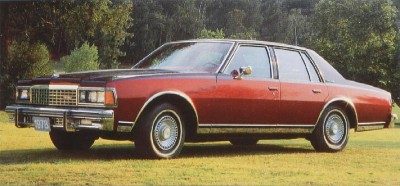
シボレーは 1978 年に繁栄していました。 同社はすでに、ダウンサイジングされた 1977 年モデルをアメリカで最も成功した新車に認定していました。これは、翌年への布石となる大胆な主張でした。 1978 年のインパラとカプリスがショールームに登場したとき、社内では「シンプルで、さわやかで、美しい」と評されました。
これは完全な再設計ではありませんが、新しいボディスタイルの勢いを維持するために設計されたサイクル中間のリフレッシュです。
Distinctive Differences Between Trims
Although the Caprice and Impala share the same platform, they differ in subtle but important ways. The Caprice Classic variant stands out with a unique new grille and stand-up hood crest, giving it a more premium stance. Also equipped with unique wheel covers.
Caprice has a more luxurious interior. It has carpeted lower door panels, wood grain trim and additional sound dampening material to make the cabin quieter. For those who want to drive in the open air without the draft, there is an optional Power Skyroof.
Impala update
The Impala won’t be left behind either. It features a new grille treatment and redesigned taillights with bigger backup lights. This change is enough to differentiate the two models on the street, allowing buyers to know exactly what trim they’re looking for.
The result is even more sophisticated than the previous one. Chevrolet took its successful downsized architecture in 1977 and polished it with enough visual style to keep buyers interested.
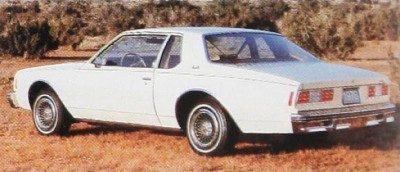
The 1978 Chevrolet Impala and Caprice: A Deep Dive
The 1978 model year was a massive production run for Chevrolet’s full-size lineup. Over 609,000 units rolled off the line and headed to dealerships, but the body style preference was stark. Four-door sedans, specifically the 1978 Chevrolet Impala and Caprice, dominated the charts. Coupes? Not so much. The Landau versions of the coupe were niche at best, with production numbers barely registering.
Only 33,990 Impala coupes and a mere 4,652 Landau coupes were built. Why? Most buyers who wanted that coupe silhouette drifted toward the posher Caprice Classic. It was the prestige play.
Inside, you had your choice of cloth or vinyl. There was also a quirky option: a 50/50 split front seat. Practical? Maybe. Stylish? Debatable. But it was there.
Under the hood, the base engine remained the 110-horsepower inline-six. It was standard. If you wanted more power, you looked at the V-8 options: a 305-cubic-inch unit making 145 horses, or the bigger 350-cubic-inch pushing 170 horses.
And here is the catch that frustrated many enthusiasts: California emissions standards dragged those numbers down. Just like most cars in the late ’70s, the CA-rated engines produced less power than their counterparts sold in other states. All full-size Chevys came with automatic transmissions. Manual? Gone.
1978 Chevrolet Impala and Caprice Facts
| Model | Weight Range (lbs.) | Price Range (New) | Number Built |
|---|---|---|---|
| Impala | 3,511–4,071 | $5,208–$5,904 | 290,744 |
| Caprice | 3,548–4,109 | $5,526–$6,151 | 321,653 |
The Caprice commanded a premium, both in weight and price. But the volume? It edged out the Impala.
1979 Chevrolet Impala and Caprice
The momentum continued into 1979, though the landscape was shifting. Buyers were getting tired of the size. The fuel crisis was still echoing, and the big, heavy sedans were starting to feel like anchors. But for now, the Impala and Caprice held their ground, offering space, comfort, and that unmistakable American presence.
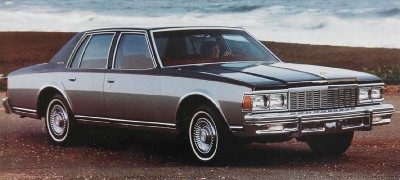
Chevrolet didn’t just claim that the 1979 Impala and Caprice were good. They said they were the benchmark. According to the company, “the standard of success by which other full-size cars should be measured.” That’s a lot of pressure to build a vehicle that was essentially a facelift of the 1977 redesign.
Speaking of the 1977 redesign, that’s when GM started calling these downsized giants the “New Chevrolet.” The logic was that they were finally efficient. The 1979 ads pushed that angle hard. Fuel economy was the Caprice’s selling point despite the car’s huge mass. The changes for this model year were subtle, not revolutionary.
Caprice Classic got a new grille. It was segmented with bold vertical accents breaking up the front. The headlights were revised, too. At the back, the traditional triple-segment taillights of sedans and coupes updated. They were an refinement of the old design, cleaner and sharper.
The sales brochure did not mince words. “America has driven it to the top,” it said. It called the car “new generation” and claimed it had “become the most popular of our times”. Popularity, of course. But was it really new? Or just the same heavy cruiser, polished up for a market that wanted lower gas bills but still wanted to park a boat in the driveway?
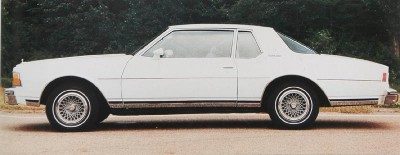
Engine choices started the same way they always did for the big Chevys. You had the 250-cubic-inch six and the 305-cubic-inch V-8. If you wanted more oomph, you could option up to a 170-horsepower 350-cubic-inch V-8.
The feature list was heavy on convenience.
* Power Skyroof for the open-air feel.
* Six-way power seats.
* Intermittent wipers.
* Comfortron automatic air conditioning.
* Electric rear defogger.
* Power antenna.
* Power trunk opener.
Chevrolet also released a separate brochure for law enforcement buyers. It highlighted Malibus and Impalas as the police fleet favorites. The Nova was gone from that mix, having departed the scene.
Sales Volume
Full-size car output dipped only slightly. Chevrolet moved 588,638 units.
That number might sound small compared to the volume wars of the 1960s, but it was still enough to keep them ahead of any other single series. The Malibu wasn’t far behind in the sales charts. For millions of Americans, the words Chevrolet and big car were practically synonyms. Even with the downsizing trend taking over Detroit, the big body style held its ground.
1979 Chevrolet Impala and Caprice Facts
| Model | Weight Range (lbs.) | Price Range (New) | Number Built |
|---|---|---|---|
| Impala | 3,495 – 4,045 | $5,828 – $6,947 | 270,907 |
| Caprice | 3,538 – 4,088 | $6,198 – $6,960 | 317,731 |
1980 Chevrolet Impala and Caprice Classic
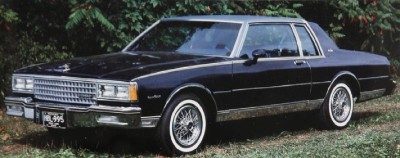
Subtle changes to the 1980 Chevrolet full size model
The 1980 Chevrolet Impala and Caprice were the first time since the massive downsizing of 1977 that these models got a real facelift. The changes were not dramatic. They were quiet, almost subtle updates that suggested an evolution of the design language rather than a breaking.
The bonnet and front fenders dropped slightly. Their contours were rounded, softening the boxy edges that had characterized the last three years. The typical wrap-around rear window disappeared into the interior of the coupé. In its place stood a flat glass, framed by slightly more vertical ceiling pillars. It was a move towards practicality, or perhaps just a nod to production efficiency.
Under the hood, the engine compartment has been cleaned in its own way. Gone was the old 250-cubic-inch inline-six, replaced by a new base engine: a 229-cubic-inch V6. It produced 115 hp, matching the performance of its predecessor. In California, however, buyers got a different deal. Their order called for a Buick-built 231-cubic-inch V6 producing 110 horsepower.
For those who wanted more power, V-8 options remained simple. The 267-cubic-inch engine produced 120 horsepower. The larger 305 cubic inch V8 produced up to 155 horses. It was enough for the commute, although it didn’t scream performance.
Station wagons had a smaller V-8 as standard. Buyers could step up to the 305 or even spec the 105 horsepower Oldsmobile 350 V8 diesel. It was a niche choice, but it was there for the diesel curious.
Transmission choices? There wasn’t one. A three-speed automatic was standard and the only option. You didn’t have a gear stick to argue with. You just drove.
Is that enough to give the downsized Impala a fresh vibe? The stylistic changes were minor. The engines were familiar. But in a fleet that has to stay on the road, sometimes minor is enough. There was no attempt to reinvent the wheel in the 1980 model year. It just ensured that the wheel under the hood continued to spin quietly.
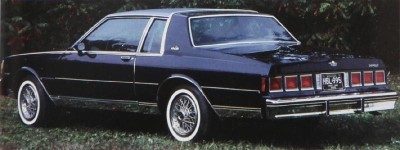
Big Chevrolet is sticking to its old strategy. The Impala is the base model. Caprice Classic is the most exotic model. Everyone bought the four-door model. Wagons and two-door cars are rare. The Caprice always sells better than the Impala.
Then came 1979. The fuel crisis changed everything. Large vehicles are a liability. Sales are declining. New Citation are also sweeping the market. Buyers now have a choice. They don’t want a heavy, thirsty sedan.
Sales of large Chevrolet cars are declining. In 1979, more than 500,000 units move. In 1980, the number fell below 250,000. It was a huge bust. The Impala and Caprice never regained that momentum. They never got close.
1980 Chevrolet Impala and Caprice Classic Specifications
The numbers tell us that a brand losing its grip. Prices have gone up, but quantities have dropped considerably.
- Impala Sedan : Weight ranges from 3,344 to 3,924 lbs. Prices range from $6,535 to $7,186. Only 99,527 units were produced.
- Caprice Classic : Heavier 3,376-3,962 lbs. Prices range from $6,946 to $7,536. The sales volume was 137,288 units.
- Sentry point Coupe : Light Body, 3,104 – 3,219 lbs. The cheapest option is $6,524 to $6,604. The production volume is 116,580 units.
- Landau Coupe : Prices range from $6,772 to $6,852. Not available on Impala trim. The production volume is 32,262 units.
“Caprice Landau” is a luxury play. The Sentry point coupe is a entry point. Neither helped the lineup. The market has changed. The Gas prices is still high. The days of the American full-size sedan are numbered.
1981 Chevrolet Impala and Caprice Classic
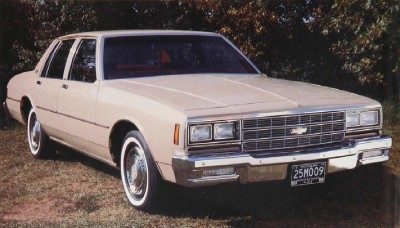
1981 シボレー インパラとカプリス クラシックの外観の変更は最小限でした。 ほとんどの観察者は前年からの変化にほとんど気付かないでしょう。 しかし、板金の下では、GM はいくつかの重大な機械的調整を行っています。 これらは単なる表面的なアップデートではありません。 それらは機能のアップグレードです。
見出しのニュースは、新しい 4 速オートマチック トランスミッションです。 0.67:1のオーバードライブ4速ギアを備えています。 これは単なるギミックではありません。 ロックアップトルクコンバーターと組み合わされました。 結果? 効率が大幅に向上します。
How a 1981 Chevrolet V-8 Achieved 26 MPG
The only engine mated to this new transmission was a 305 cubic inch V-8. Despite its large displacement, it delivers an impressive EPA highway fuel economy of 26 miles per gallon. Real-world driving often mirrored these numbers. This was unusual for a full-size American car in the early 1980s.
The role of the CCC system
GM’s Computer Command Control (CCC) emission system plays a supportive but important role. Driveability slightly improved. More importantly, it helped cars meet stricter emissions regulations in 1981. CCC does more than just clean exhaust. It optimized the engine’s operation to meet the stricter regulations of the time.
“Combined with a lockup torque converter, a Caprice or Impala with a 305-cubic-inch V-8 achieves an impressive 26 miles per gallon EPA-estimated highway.”
The combination of the CCC system and the new gearbox was key. It allowed a heavy sedan to outperform its weight class in terms of fuel economy. Drivers can achieve figures close to the EPA in daily use.
Why this matters for Caprice and Impala
For enthusiasts, this change was a turning point. The 1981 model proved that large V-8s could be efficient. 305 V-8 with overdrive automatic became the benchmark. It wasn’t about brute force anymore. It was about survival in the post-oil crisis market.
Subtle exterior updates have masked these internal leaps. You had to look under the hood to appreciate the engineering. The number 26 MPG is eye-catching. This is a practical benefit that appeals to fleet buyers and families.
This drive for efficiency continued through the decade. But the 1981 model laid the groundwork. They showed that Chevrolet could adapt without compromising the full-size experience. The technology was there. The market is ready.
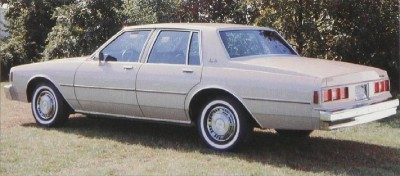
The powertrain lineup for the 1980 model year was a story of shrinking output. The base engine remained the 229-cubic-inch V-6, but it had been downgraded to 110 horsepower. California buyers, forced to meet stricter emissions standards, got a Buick-built 231-cubic-inch V-6 instead. It made the same 110 horsepower, but it was a different block entirely.
If you wanted more pull, you could step up to the optional 267-cubic-inch V-8, which offered a modest 115 horsepower. The real meat was in the 305-cubic-inch V-8, pushing 150 horsepower. It wasn’t a performance revolution, but it was the standard power source for most of the decade’s Impalas.
The diesel story began in 1980, but with strict limitations. Only the station wagon bodies could be ordered with the Oldsmobile 350-cubic-inch diesel V-8. It was a niche option for those who wanted torque and fuel economy, but not for those who wanted speed.
That changed in 1981. General Motors expanded the diesel availability. Now, any Impala or Caprice model—sedan, coupe, or wagon—could be equipped with that 350-cubic-inch diesel. It was a strategic move to capture the market during the ongoing fuel crisis, offering an alternative to the thirsty gasoline V-8s.
1981 Chevrolet Impala and Caprice Classic Facts
The numbers for 1981 tell a clear story of market preference. While the Impala remained the volume seller for the entry-level segment, the Caprice Classic held its ground in the full-size luxury bracket.
| Model | Weight Range (lbs) | New Price Range | Units Built |
|---|---|---|---|
| Impala | 3,326 – 3,897 | $7,129 – $7,765 | 85,964 |
| Caprice | 3,363 – 3,940 | $7,534 – $8,112 | 133,461 |
The Caprice, despite a slightly higher starting price, outsold the Impala by nearly 50,000 units. This wasn’t just about size; it was about perceived value. The Caprice badge carried more weight in the consumer’s mind, justifying the extra few hundred dollars for a larger interior and more chrome.
Weight ranges overlapped significantly, suggesting that trim levels, not just model designation, drove the mass. A loaded Caprice could weigh as much as a fully equipped Impala wagon. The price gap was narrow, too. You were paying for the badge and the specific styling cues that separated the two.
1982 Chevrolet Impala and Caprice Classic
As 1982 arrived, the automotive landscape was shifting. The fuel crisis was easing, but the legacy of the early 80s lingered in engine tuning and
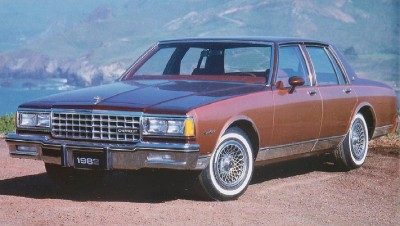
1982 is rumored to be the last year of the 1982 Chevrolet Impala and Caprice Classic. Even if you think you’re running out of rides, there’s no need to change your selection. result? Last year was the year of simplicity, simplicity and fat loss.
Chevrolet made a ruthless call on inventory. The underperforming Impala sports coupe was completely abandoned. So was the Caprice Landau sport coupe. In 1982, if you wanted a two-door GM full-size sedan, your options were limited.
In the end, only one body style survived the purge. The standard Caprice Sport Coupe is the only two-door version of the family. It was a quiet, unglamorous end to an era. Less noise. Less choice. Just what you need.
“If you wanted a two-door GM full-size sedan in 1982, your options were limited.”
The trim list has been reduced. No more confusion. But the V8s still ran. And for those who bought one, it was likely the last of its kind.
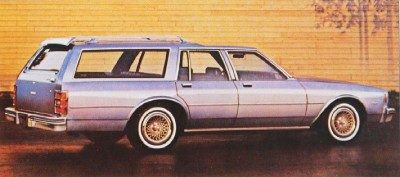
1983 Chevrolet Impala and Caprice Classic: The Last Stand of the Traditional Cruiser
The mechanical lineup didn’t undergo a major overhaul, but there was one notable shift in transmission availability. The four-speed automatic, which had debuted the previous year for the 5.0-liter (305-cubic-inch) V-8, now joined the party on the smaller 4.4-liter (267-cubic-inch) V-8. This gave buyers with slightly less appetite for displacement a more comfortable gear-change option without sacrificing torque.
Engine choices remained fragmented by body style and geography. The base powerplant for coupes and sedans stayed the Chevy 3.8-liter 229-cubic-inch V-6. It was adequate, if uninspiring. Wagons, however, typically carried the 4.4-liter V-8, unless you lived in California. In the Golden State, regulations and emissions standards forced a switch. There, coupes and sedans received Buick’s 231-cubic-inch V-6 instead. Wagons in California, meanwhile, got the bigger 305-cubic-inch V-8 as standard fare. Across the entire range, the Oldsmobile-built 350 diesel V-8 remained a rare, optional choice for those prioritizing efficiency over acceleration.
Why Buy a Big Car in 1983?
By 1983, the era of the massive, fuel-guzzling American sedan was ending. High gas prices and shifting consumer tastes had drained much of the charm from traditional full-size cars like the Impala and Caprice. Yet, for a certain segment of buyers, these vehicles still offered undeniable practicality and value.
Consider the pricing structure. A base-model Impala sedan started at $7,918. The more upscale Caprice Classic sedan, which was far more popular and slightly more luxurious, began at $8,367. Compared to competitors, these numbers seemed aggressively low. A Chevrolet Cavalier CL subcompact, despite being significantly smaller, started at $8,100. The mid-size Celebrity intermediate commanded $8,600 for a base sedan.
Essentially, you could buy a car with nearly twice the interior volume and traditional rear-wheel-drive dynamics for barely more than a front-wheel-drive economy car. It was a compelling value proposition, even if the style was already fading.
1982 Chevrolet Impala and Caprice Classic Specifications
While the article title references the 1983 model, the production data provided reflects the previous year’s build numbers, which serve as a baseline for understanding the scale of these vehicles before any minor 1983 adjustments.
| Model | Weight Range (lbs.) | New Price Range | Units Built |
|---|---|---|---|
| Impala | 3,361 – 4,050 | $7,918 – $8,670 | 64,679 |
| Caprice | 3,373 – 4,010 | $8,221 – $9,051 | 123,510 |
The Caprice outsold the Impala nearly two-to-one, a
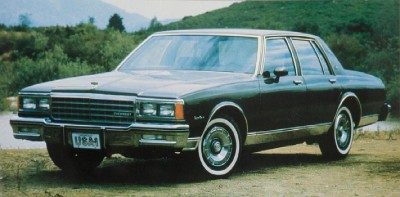
The End of an Era for Body Styles
Rumors began at the beginning of the decade: the full-size Chevrolet was dead. Or at least the enthusiasts of the version knew it was in danger of extinction. In 1983, the Caprice Classic and Impala lineups the writing was on the wall. General Motors didn’t kill nameplates, but they sure did trim the branches.
The Caprice coupe disappeared. It was the last two-door version of the full-size American sedan that defined luxury and family transportation for decades. Gone too was the Impala wagon. If you wanted a full-size Chevy hauler in 1983, you bought a sedan. Diversity was gone. The romance of the four-door hardtop or practical wagon was abandoned in favor of a streamlined, cost-saving, sedan-only lineup.
Engine Choices: Small, Weak, or Diesel?
Under the hood, the 1983 powertrain lineup was a lesson in compromise. GM had finally pulled the plug on the smaller 4.4-liter V8. It never caught on. It was not popular at the height of the fuel crisis, and certainly not when the crisis ended. It stayed in the lineup, underperforming and underloved until it was quietly removed.
What remained was the base engine: 1983 Chevrolet V-6 engine. More specifically, it’s a 3.8L pushrod V6. It produced only 110 hp. Yes, 110. That was enough to move heavy steel, but hardly exciting.
California buyers have a different story. Because of federal emissions regulations, they often got the Buick-built 3.8L V6 instead. Same displacement. Other manufacturer. Same lack of excitement.
The Real Options: Gas and Diesel
If the base V6 wasn’t enough, buyers had two distinct paths to more power.
First there was the 5.0-liter gasoline V-8. This engine produced 150 hp. It was the standard powertrain for the station wagon (before the wagon was gone) and an option for sedans. It was a mild V-8, not the big-block monster of the ’60s, but it was still a V-8. It offered the sound, torque curve and identity that many buyers wanted.
Then there was the anomaly: 5.7-liter diesel V-8. The power was only 105 hp. Why buy a diesel for 105 horses when the V6 had 110? Because of the torque. The diesel offered a more low-end grunt, which helped haul a heavy body and promised better fuel economy. At a time of rising gas prices, this promise was potent.
Transmission: automatic or wait
Manual transmissions were dead for these cars. You were looking at automatics only.
The standard transmission was a three-speed automatic. Simple. Reliable. Slow.
If you wanted to keep the engine in the power band longer, you can option a four-speed automatic. It was available across the board, from base V6 engines to diesel and gasoline V8 engines. It wasn’t
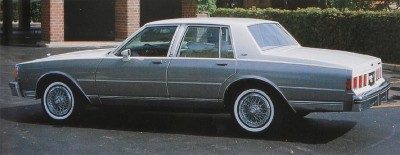
デトロイトの経済低迷により、予算削減は厳しくなっている。 企業にとって、老朽化したフルサイズ プラットフォーム用のまったく新しいツールへの投資を正当化するのは難しい場合があります。 しかしその後、ガソリン価格の上昇は止まりました。 これまでコンパクトカーに乗っていたドライバーが再び意識を持ち始めている。 彼らはスペースが欲しいのです。 彼らは V-8 を望んでいました。 彼らは大型セダンを望んでいます。
シボレーはもはや数学を無視することはできません。 フルサイズ製品ラインの年間販売台数は 20 万台近くを維持しています。 この量には注意が必要です。 インパラとカプリスは単なる移動ユニットではありません。 彼らはラインナップ内の他のどのシボレーよりも優れています。 かつてその名声を確立したクーペ ボディ スタイルがなくても、需要があることは否定できません。
1983 Chevrolet Impala and Caprice Classic Facts
The figures of this period tell the story of endurance. The Caprice remains the production king, dwarfing the Impala in total production. However, the Impala is a sportier and slightly lighter option.
Model: Impala
Weight Range (lbs): 3,490 – 3,594
Price Range (New): $8,331-$8,556
Production quantity: 45,154
Model: Caprice
Weight Range (lbs): 3,537 – 4,092
Price Range (New): $8,802-$9,518
Production number: 175 641
1984 シボレー インパラとカプリス クラシック
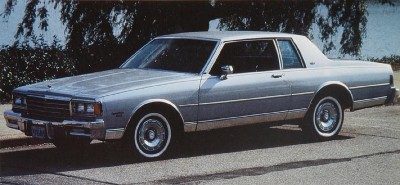
The 1984 Caprice Coupe returns
The Chevrolet Impala and Caprice Classic sedans remained solid anchors in Chevy’s full-size lineup, but the Caprice Classic coupe made a brief comeback in 1984. After the 1982 model year, it disappeared, leaving the full-size Caprice and Impala lines without a two-door option. This return of the 1984 Caprice Classic coupe completely filled that void. It was the only coupe in the series that year and proved surprisingly popular with almost 20,000 orders.
The rest of the updates to Chevy’s big rear-wheel-drive platforms were subtle. The most noticeable change concerned the windshield wipers. Instead of reaching across the dashboard to find them, drivers could now operate them directly from the turn signal lever. It was a small change in ergonomics that saved a lot of fiddling. The cruise control has also been slightly improved. The new system allowed a one-mile-per-hour increments when adjusting speed. You could finally set an exact pace instead of guessing with broad strokes.
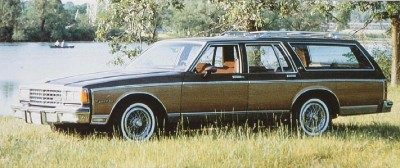
Engine choices for the 1984 model year didn’t shake up the status quo much, but they did offer clear paths for different buyers. The base powerplant was a Chevy-built 3.8-liter V-6 producing 110 horsepower. You found this in the coupes and sedans. California models got a similar unit from Buick instead, likely to meet specific emissions thresholds.
If you wanted more pull, the standard wagon engine was the familiar 5.0-liter V-8. It churned out 150 horsepower. This same V-8 was optional on other body styles. For those prioritizing fuel economy over grunt, the 5.7-liter diesel V-8 was the pick. It made only 105 horsepower, but it was available across the board as an option.
Transmission pairing followed a logical split. The V-6 and the diesel came with a three-speed automatic as standard. The 5.0-liter V-8? It got a four-speed automatic. That four-speed was also optional if you opted for the diesel. It was a sensible setup for a car that wasn’t trying to outrun anything.
Why the 1984 Impala and Caprice Were Such a Bargain
Price was the story here. With starting costs under $9,000 in 1984, these cars were accessible. They weren’t cheap by Depression-era standards, but in the mid-80s economy, they felt like a steal. Buyers agreed. Sales jumped 25 percent compared to 1983. Over 276,000 of these full-size GM sedons found driveways that year. That volume speaks to the value proposition.
1984 Chevrolet Impala and Caprice Classic Specifications
| Model | Weight (lbs) | New Price Range | Units Built |
|---|---|---|---|
| Impala | 3,489 – 3,628 | $8,895 – $9,270 | 55,296 |
| Caprice | 3,532 – 4,053 | $9,253 – $10,210 | 221,199 |
The weight spread tells a small story about trim levels and equipment. The Caprice, being the luxury-oriented sibling, ranged heavier. It also commanded a higher price. But for the money, you were getting a lot of car.
1985 Chevrolet Impala and Caprice Classic
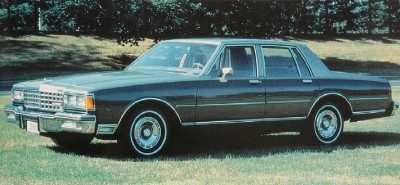
The 1985 Impala and Caprice: Hidden Upgrades and a New Engine
If you looked at the 1985 Chevrolet Impala and Caprice Classic, you might have missed the changes. Visually, they were almost identical to their predecessors. But underneath the sheet metal, Chevy had been busy refining the driving experience.
Inside, the dashboard got new instrument panel graphics. It was a small touch, but it helped freshen up an aging cabin. The real work happened underneath. Chevy stiffened the suspension to tackle a persistent complaint from earlier models. Drivers had complained about a “floating” sensation, especially when cornering. This issue was common in cars that didn’t have the optional F41 suspension package. By firming up the standard setup, Chevy aimed to give these full-size sedans more planted handling without forcing buyers to pay extra.
A New Heart for the Full-Size Sedans
The engine bay told a bigger story. Chevy replaced the aging 3.8-liter V-6 engines—shared with Buick—with a brand-new powerplant. This wasn’t just an evolution; it was a strategic move. The new engine was a 4.3-liter V-6, essentially a Chevy small-block V-8 with two cylinders chopped off.
This approach made sense. The small-block architecture was proven, durable, and easy to manufacture. By sharing components with the legendary V-8s, Chevy could keep costs down while improving performance.
Power Numbers and Fuel Injection
The 4.3-liter V-6 came fitted with throttle-body fuel injection. This was a significant step up from the carbureted 3.8-liter engines it replaced. Fuel injection offered better efficiency and more consistent power delivery, especially in varying weather conditions.
The power output jumped noticeably. The new engine produced 130 horsepower. That was 20 more horsepower than the old 3.8-liter units. For a family sedan, that extra power meant easier merging onto highways and more confident passing on two-lane roads.
| Engine | Displacement | Power Output | Fuel System |
|---|---|---|---|
| Old (1984 and prior) | 3.8L V-6 | ~110 hp | Carburetor |
| New (1985) | 4.3L V-6 | 130 hp | Throttle-body injection |
Chevy wasn’t just tweaking numbers. They were addressing real-world complaints and updating aging technology. The 1985 Impala and Caprice Classic might not have looked different, but they drove better and moved with more authority. It was a quiet update, but one that mattered to anyone who actually drove the cars.
What happens when you take a proven V-8 and simply remove two cylinders? You get a versatile engine that could power everything from pickup trucks to sedans. The 4.3-liter became a staple for GM for years to come, but in 1985, it was a fresh breath of life for the full-size sedans.
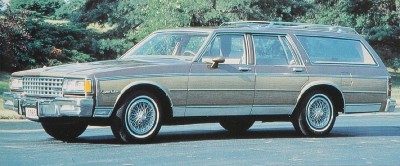
Subtle adjustments have been made in the engine compartment. The optional 5.0L V-8 has a higher compression ratio. This small change added 15 horsepower. Total power is now 165. This isn’t revolutionary, but it’s important for those who like a punchy V-8 engine.
The 5.7-liter V8 diesel engine remains unchanged. 105 馬力. Quiet. Effective. 絶え間ない.
Gear selection is determined by where the rubber meets the road. A three-speed automatic transmission is standard on the V-6 and the diesel V-8. If you want a smoother ride on the highway, you can pay for an extra fourth gear. 5.0 liter V8? 4 speed is standard equipment. There are no extra charges for accessories.
There are no big changes in the body style in the assembly. I still have my Impala sedan. The Caprice is more versatile and available as a coupe, sedan or wagon. Full-size Chevrolets are still a staple in showrooms. Sales reflect that loyalty. About 265,000 vehicles were sold through dealers. There are a lot of steel frames on the road.
1985 シボレー インパラとカプリスの古典的な事実
| モデル | 体重範囲 (ポンド) | 価格帯 (新品) | 製造数量 |
|---|---|---|---|
| インパラ | 3,508-3,634 | $9,519 ~ $9,759 | 55,438 |
| カプリス | 3,525-4,083 | $9,888-$10,714 | 211,355 |
カプリスはインパラを大差で上回りました。 インパラの生産台数は 55,000 台であるのに対し、211,000 台以上が生産されました。 価格もこの人気を反映しています。 カプリスはさらに上昇し始め、さらに上昇しました。 インパラが入り口です。 カプリスはアップグレード版です。
1994 Chevrolet Caprice and Impala SS
Fast forward nine years. The landscape has changed. The renaissance of muscle cars is gaining momentum. GM needed something that could compete with the Ford Thunderbird and Plymouth Sundance. They saw a life-sized platform. It is very heavy. It is very old. But it’s also powerful.
The result is the Caprice SS. And the Impala SS. Both had the same brand. Both promise good performance. But the reality is more complicated.
SS bags are more than just stickers. A special suspension is included. The spring is stiff. A better shock. The goal is to reduce body tilting in cars weighing more than 4,000 kilograms. This is helpful. little.
There is still a 5.7-liter V8 engine under the hood. But now it’s LT1. The same goes for transition. Breathing is different. Even more power. That’s about 200 horsepower. It’s not a supercar license plate. But it’s enough to make the sedan feel sportier than the base model.
The Impala SS is slightly lighter. This weight difference results in slightly faster acceleration.
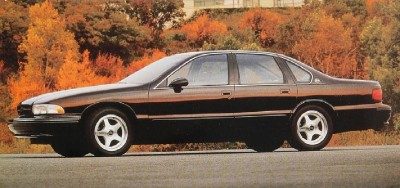
The LT1 Heart Under the Hood
It starts with a ghost. The 1992 show car received little attention. Then, in mid-1994, the 1994 Chevrolet Impala SS hit the streets and caught the attention of fans. It was a revival of a name that was buried deep in the performance archives. The result? A Caprice-based machine and technically just a styling exercise. But the public bought it anyway. With this sudden success, General Motors saw a poor lineup of front-wheel-drive passenger cars and realized there was a gap in the market. They filled it with a series of concept cars that have even more soul than what a regular vehicle offers.
However, style alone is not enough to keep the engine running. The Impala SS needed teeth to match its bark.
Chevy delivered. They slapped a heavily revised 5.7L LT1 V-8 into the engine bay. It is not a high-strung version of other applications. It ran on lower compression ratios and is specially designed to chew through regular unleaded fuel. The trade-off? A rating of 260 horsepower.
Compare this to the 275hp Camaro Z28 (requires premium gas) or the 300hp Corvette (also premium gas only). The Impala version is less aggressive. It was sensible. Compared to the standard 5.7L V-8 that preceded Chevrolet’s full-size lineup, it represents a massive 80-horsepower jump****. For the first time, this family hauler has real acceleration to back up its retro badges.
Standard Power and Transmission Limits
Not everyone wants an LT1. Or maybe they just wanted the base model. Chevrolet introduced a 4.3-liter V-8 engine that produced 200 horsepower. This became the standard powerplant for regular Caprice sedans and wagons. However, the Impala SS package was exclusive. LT1 is standard equipment. Of course, you can also order the LT1 in regular Caprice. However, if you buy the SS, you get a bigger engine. Period.
There is only one way to move this metal.
A four-speed automatic. No manuals. No five-speed options. A simple and reliable torque converter is needed to change gears. Whichever V-8 engine you choose, it’s the only transmission available. Simple. Direct. Enough to get the job done until the next generation decides to complicate things.
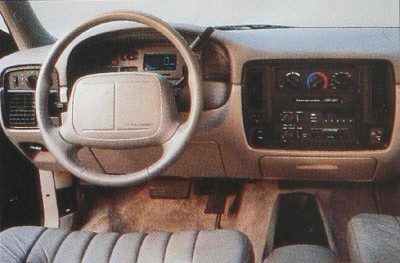
The 1994 Impala SS was more than just a trim level. This is a statement. Chevrolet has ditched the chrome, two-tone paint and suburban pretense. What remained was a car that looked like it wanted to eat the road.
Aesthetic changes are specific and intentional. You got a monochromatic paint scheme. Black is the only option. No white. No silver. Just deep, glossy black. This one choice sets the stage for the rest of the package. The C-pillar has a unique “dog leg”. They caught the eye. They said this sedan is different from the Caprice behind it. Retro Impala insignias replaced the modern script. The rear spoiler sits above the trunk lid and is subtle but has a strong presence.
But the real story lies beneath the surface.
The 17-inch five-spoke aluminum wheels were wide. They looked aggressive. It is equipped with a low sports suspension, which is tuned not only for commuting but also for actual driving. De Carbon gas-pressure shock absorbers replace the soft, floating setup typical of full-size Chevrolets. The result? Better road manners. It handles corners in a way that previous full-size models could only dream of.
Power came from a potent V8. It drove through a standard limited-slip differential. Stopping power was handled by four-wheel disc brakes. You didn’t have to buy them. They were standard.
Inside, the intent was clear. Bucket seats. Black dashboard trim. It feels like a performance car. But not every enthusiast was happy. Many complained about the column-mounted shifter. It felt dated. They missed the console shifter. They also missed a tachometer. Without it, you were guessing at the engine’s revs.
These complaints didn’t kill the car. It just made it polarizing.
Changes elsewhere in the 1994 Chevrolet lineup
While the Impala SS steals the show, the rest of the Caprice Impala lineup sees some changes. It’s not quite as dramatic as the SS, but it’s still worth noting.
Safety regulations change. A passenger airbag is standard equipment. This required a redesign of the dashboard. The old layout is gone. In its place is a rectangular case with a digital speedometer and analogue instruments. The radio and thermostat were moved to a separate unit below. This is a functional change, not an aesthetic change.
There are also environmental updates. Standard air conditioning systems are converted to CFC-free refrigerant. This is necessary to comply with emission regulations. It doesn’t make the car faster. But this keeps Chevrolet on the right side of the law.
1994 Chevrolet Impala SS and Caprice Facts
Numbers don’t lie, even if they don’t tell the whole story.
| Model | Weight Range (lbs) | Price range (new) | Production quantity |
|---|---|---|---|
| Impala SS | 4,218 | $4,218 22,495 | $22,495 Not available |
| Casual | 4.036-4.541 | $18,995 – $21,435 | 104,724 (including Impala) |
The weight difference is
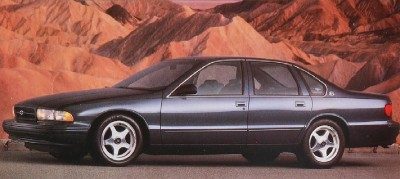
The 1995 Chevrolet Impala SS arrived with only minor updates, capitalizing on the momentum of the nameplate’s mid-1994 debut, which had already received rave reviews from the automotive press. The most significant change in the second year was a wider color palette. With this expansion, the model moved away from the original “any color as long as it’s black” philosophy and introduces new options such as Dark Cherry and Green-Gray.
The interior remained exclusively in gray leather. Functionally, the cabin remained identical to the Caprice, with an optional premium cassette and CD player with speed-compensated volume control. This technology adjusted the radio’s volume based on ambient noise and provided clarity regardless of speed or road conditions.
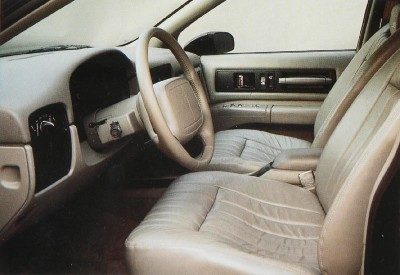
The 1995 model year was a bit of a letdown for enthusiasts who wanted to believe in the badge. You could buy the exact same 260-horsepower 5.7-liter LT1 V-8 and four-speed automatic in a Caprice Classic. The Impala SS wasn’t really a performance car; it was largely an appearance package wrapped around a standard Caprice chassis. And if that wasn’t enough, the distinct “dog leg” rear roof pillar that gave the Impala its identity crisis was gone this year. The Caprice had stolen the Impala’s design cues. So, what was left?
Suspension Nuance Over Horsepower
The Impala still retained a more sophisticated suspension setup than its sedan brethren. This meant it handled with surprising agility for a two-ton sedan. That’s a polite way of saying it didn’t feel like a boat. It kept its monochromatic paint treatment, aero body aids, and those beautiful 17-inch aluminum wheels. But let’s be clear. The engine bay told a different story.
The same powertrain that was optional in the Caprice remained the only option here. The Impala SS remained largely an appearance upgrade. Even that was compromised somewhat this year, as the Caprice took on the Impala’s “dog leg” rear roof pillar. The distinction between the two models blurred into obscurity.
1995 Chevrolet Impala SS Facts
| Model | Weight range (lbs.) | Price range (new) | Number built |
|---|---|---|---|
| Impala SS | 4,036 | $22,910 | not available |
1996 Chevrolet Impala SS
The 1996 model year brought no significant changes to the powertrain or the fundamental identity of the car. The LT1 V-8 remained the sole offering. The four-speed automatic stayed on board. The Impala SS continued to occupy a strange middle ground between a performance sedan and a luxury cruiser.
The suspension still provided better handling dynamics than the standard Caprice. This was its only real differentiator. The 17-inch aluminum wheels remained a key visual identifier. The monochromatic paint scheme persisted, though the roofline similarity to the Caprice made it harder to distinguish from a distance.
Enthusiasts who valued the LT1 badge found themselves in a bind. The power was there. The handling was decent. But the distinction between the Impala SS and the Caprice was vanishing. The “dog leg” design cue, once a unique selling point, had been appropriated by the more affordable Caprice. The Impala SS became a choice for those who wanted the look without the premium price tag of a full performance package. Or perhaps, for those who simply preferred the aesthetics over the actual performance pedigree.
The market response was muted. No specific production numbers were released. This lack of transparency suggests low demand or a strategic decision by GM to keep the model running quietly in the background. The Impala SS existed, but its relevance was fading. The Caprice was gaining ground. The performance sedan segment was moving on to newer, more capable platforms. The Impala SS remained a relic of a transitional period, clinging to
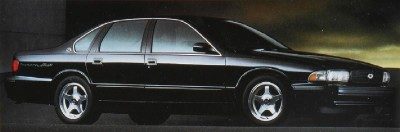
The 1996 Chevrolet Impala SS: A Final Polish Before the End
The 1996 Chevrolet Impala SS represented the peak of its lineage, marking both a zenith and a terminus. It was a bitter irony that this model year, widely regarded as the best, also proved to be the last. The vehicle was sentenced to early retirement, a victim of the broader cancellation of the full-size Caprice platform on which it relied. Yet, just as the execution order was being signed, Chevrolet engineers managed to inject significant improvements into what was already an impressive machine.
It seems almost improbable that the Impala received updates at all. Industry whispers had long circulated about the Arlington assembly plant pivoting toward pickup truck production. Given that context, the team behind the Impala likely anticipated a stagnant refresh. The Caprice returned largely unchanged, a carbon copy of its predecessor. Logic dictated that Chevrolet could have moved similar volumes of Impalas without altering the formula.
But they changed nearly everything that mattered, specifically targeting the complaints that plagued the initial concept. The interior was the primary focus of criticism, and rightly so. Shifting gears via a column-mounted lever felt antithetical to performance driving. More critically, a sports-oriented car simply cannot claim completeness without a tachometer on the dashboard.
Interior Refinements and Driving Dynamics
The removal of the column shifter was a decisive move toward driver engagement. It forced the use of a floor-mounted lever, a staple in any vehicle claiming sporty credentials. This change alone did more for the car’s character than most power upgrades ever could. It grounded the driver in the act of driving, replacing a bureaucratic utility feature with something tactile and immediate.
Then came the gauge cluster. The addition of the tachometer was not merely cosmetic. It provided the essential feedback loop required for manual shifting or even aggressive automatic driving. Without it, the Impala SS felt disconnected from its own engine. With it, the V8’s behavior became transparent. You could see the revs climb. You could anticipate the power band. This simple instrument transformed the cabin from a cruiser’s lounge into a cockpit.
These changes addressed the core identity crisis of the SS trim. The original model struggled to balance its luxurious Caprice roots with its aggressive styling cues. The 1996 revision leaned firmly into the performance narrative. The interior no longer contradicted the exterior’s intent. The steering wheel felt more substantial. The seating position seemed lower, more planted. These were subtle shifts, barely noticeable in a static walk-around, but profound once the key was turned.
The V8 Engine and Chassis Tweaks
Under the hood, the 5.7L LT1 V8 remained the heart of the operation. Displacing 346 cubic inches, it produced 260 horsepower and 340 lb-ft of torque. These figures had not changed significantly from the previous year, yet the car felt sharper. Why? The refinements were in the details. The calibration of the throttle response was tightened. The exhaust note was slightly louder, less muffled by the heavy insulation of the standard Caprice.
The suspension received minor but meaningful adjustments. Chevy stiffened the rear bushings slightly to reduce compliance under hard acceleration. This reduced the “squirm” that some critics had noted in the earlier models. The car tracked straighter through corners. It felt less like a large sedan
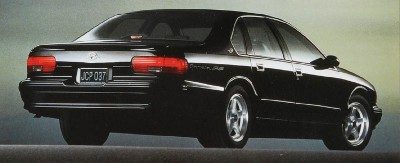
The first critique—that it felt too much like a Caprice—was met with immediate hardware changes. Chevy ditched the column shifter for a floor-mounted unit nestled in a proper console. The console itself was branded with an Impala SS logo. Just to ensure you knew this wasn’t a standard cruiser, the entire instrument panel was redone. The old digital readouts were scrapped. In their place came an analog tachometer and an analog speedometer. These weren’t just aesthetic tweaks. They were strategic moves to distance the car from its sedan siblings and align it with the sport sedan mold.
It was a significant upgrade in feel. But did it matter for the numbers?
Chevy’s production forecast for the 1996 Chevrolet Impala SS was conservative. They anticipated building only about 15,000 units. For most enthusiasts, that number feels dangerously low. It’s the kind of figure that makes you wonder if Chevy was hiding from the demand or if they just didn’t understand what they had.
1996 Chevrolet Impala SS Key Specifications
| Model | Weight Range (lbs.) | Price Range (New) | Number Built |
|---|---|---|---|
| Impala SS | 4,036 | $24,405 | Not available |