


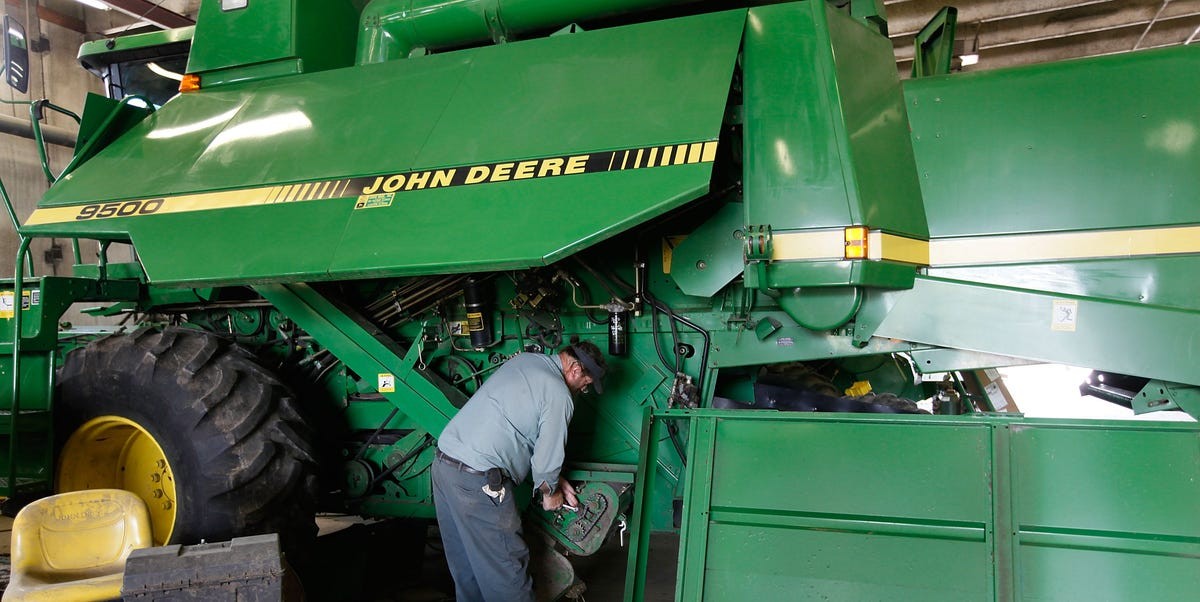
In a significant legal development for the agricultural sector, equipment giant John Deere has reached a settlement in a long-standing class-action lawsuit brought by farmers. The agreement includes a $99 million fund designed to compensate farmers for overcharges dating back to 2018 and, perhaps more crucially, a formal commitment to software accessibility.
The Settlement Details
The resolution addresses two primary grievances held by the farming community: financial overreach and restricted access to essential technology.
- Financial Restitution: The $99 million settlement fund will be used to reimburse farmers for excess costs incurred through dealer services. Some plaintiffs are expected to recoup more than half of the disputed bills from the past several years.
- Software Access: John Deere has legally formalized a 10-year commitment to provide the software necessary for diagnostics, routine maintenance, and repairs. This allows farmers to utilize third-party specialists or perform repairs themselves, rather than being tethered exclusively to the official John Deere dealer network.
Why This Matters: The “Right to Repair” Battle
For years, the agricultural industry has been at the center of a fierce debate over the “Right to Repair.” Modern farming equipment is no longer purely mechanical; it is heavily reliant on proprietary software.
For a farmer, time is often the most critical variable. During harvest windows, a broken combine harvester can lead to massive financial losses. Previously, John Deere’s restrictive software policies meant that farmers often had to wait for authorized dealer technicians to arrive to troubleshoot digital errors—a process that can be slow and expensive. By securing access to these digital tools, farmers regain the autonomy to maintain their own livelihoods without being forced into a “captive” service model.
A Precedent for the Automotive Industry
While this case is rooted in agriculture, its implications extend far beyond the farm. As the automotive industry shifts toward Software-Defined Vehicles (SDVs), a similar tension is emerging between manufacturers and consumers.
Modern cars are increasingly complex, featuring sophisticated software that controls everything from engine performance to driver-assist systems. This creates a growing risk of a “dealership monopoly,” where independent mechanics and DIY enthusiasts are locked out of repairs because they lack access to proprietary diagnostic tools.
This settlement serves as a potential roadmap for other industries. If legal precedents continue to favor consumer access to repair software, it could prevent automakers from using digital locks to monopolize the aftermarket service market.
Conclusion
The John Deere settlement marks a pivotal shift in how proprietary technology is managed in heavy industry. By providing both financial compensation and long-term software access, the agreement sets a vital precedent that could eventually protect the rights of consumers and independent mechanics in the automotive and tech sectors.


