




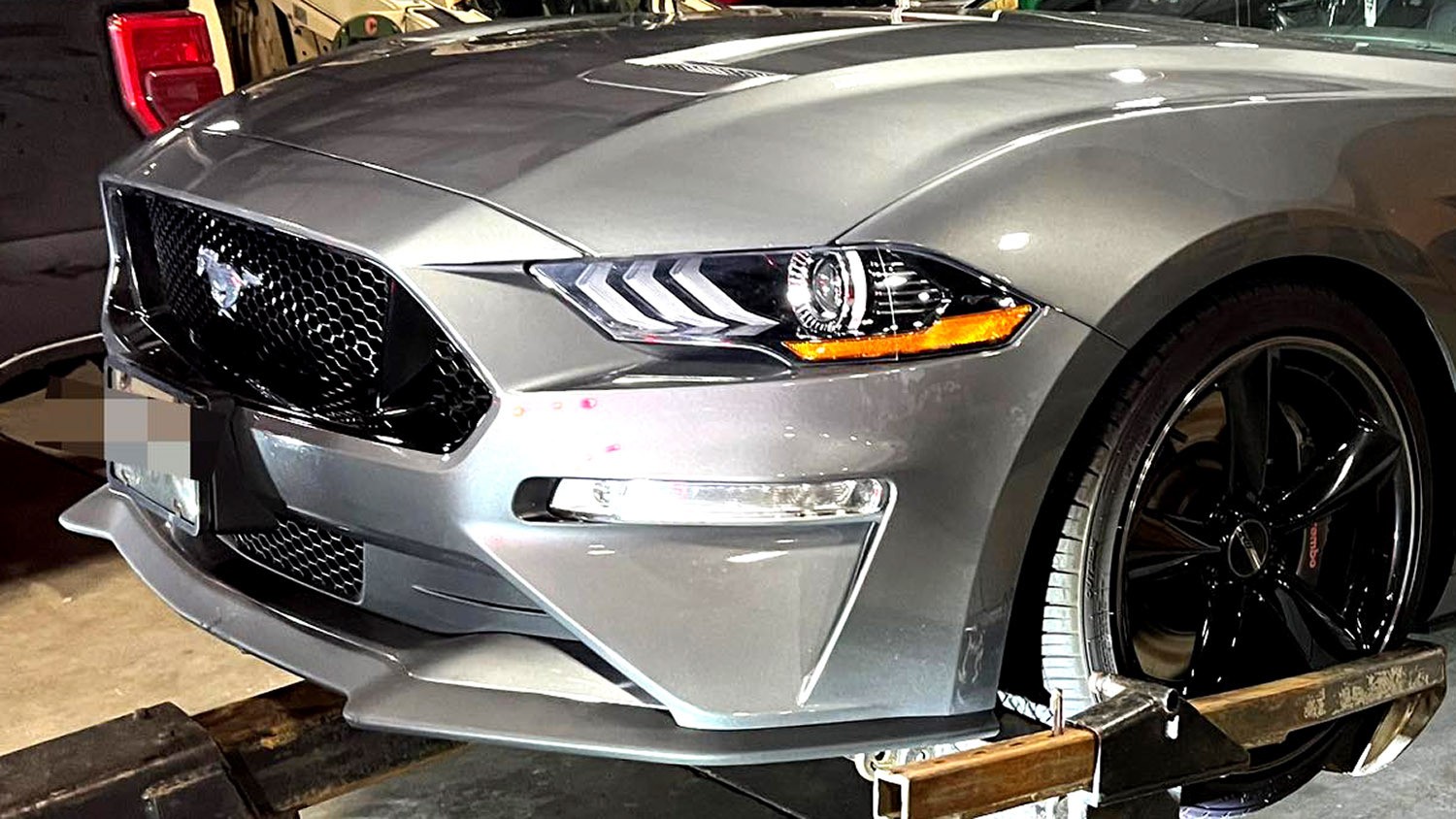
The Thurston County Sheriff’s Office has impounded a Ford Mustang GT after the driver fled from a traffic stop at dangerous speeds. The incident raises questions about why individuals choose to evade police, and what the consequences will be for the vehicle’s owner.
High-Speed Escape and Pursuit Termination
A deputy attempted to pull over the Mustang for speeding, but the driver immediately sped away, reaching approximately 130 mph (209 km/h) through intersections. Recognizing the extreme risk, the deputy called off the chase. This decision highlights a growing trend: law enforcement agencies prioritizing public safety over immediate apprehension in high-speed pursuits.
“The driver fled at speeds of 130 mph through intersections, resulting in our deputy making the good decision to terminate the pursuit,” Sheriff Derek Sanders stated on Facebook.
Vehicle Abandoned, Owner Uncooperative
The Mustang was later found abandoned in DuPont. When officers attempted to contact the registered owner, the individual reportedly refused to answer the door. The vehicle was subsequently seized by the Sheriff’s Office.
Impoundment and Potential Legal Repercussions
Sheriff Sanders made a pointed statement, suggesting the owner was behind the wheel, with a playful ultimatum: “If you want your car back you can link up with us… otherwise we’ll put this one to good use in our fleet.”
If investigators can prove the registered owner was driving, they could face charges including reckless driving, eluding, or even felony fleeing. Washington state law considers fleeing from police a felony under certain conditions, particularly when combined with reckless driving. However, ownership alone isn’t enough for a conviction; definitive proof of the driver’s identity is crucial.
Legal Framework and Vehicle Seizure
Police have the authority to impound vehicles involved in criminal activity, but the ultimate outcome hinges on establishing a direct link between the high-speed run and the owner. The case underscores the challenges of proving guilt beyond reasonable doubt, even when clear evidence of a vehicle’s involvement exists.
The Sheriff’s Office will likely continue investigating to determine who was driving the Mustang, and whether criminal charges will be filed. The incident serves as a reminder that evading law enforcement carries significant risks, not just during the chase itself, but also afterward.