




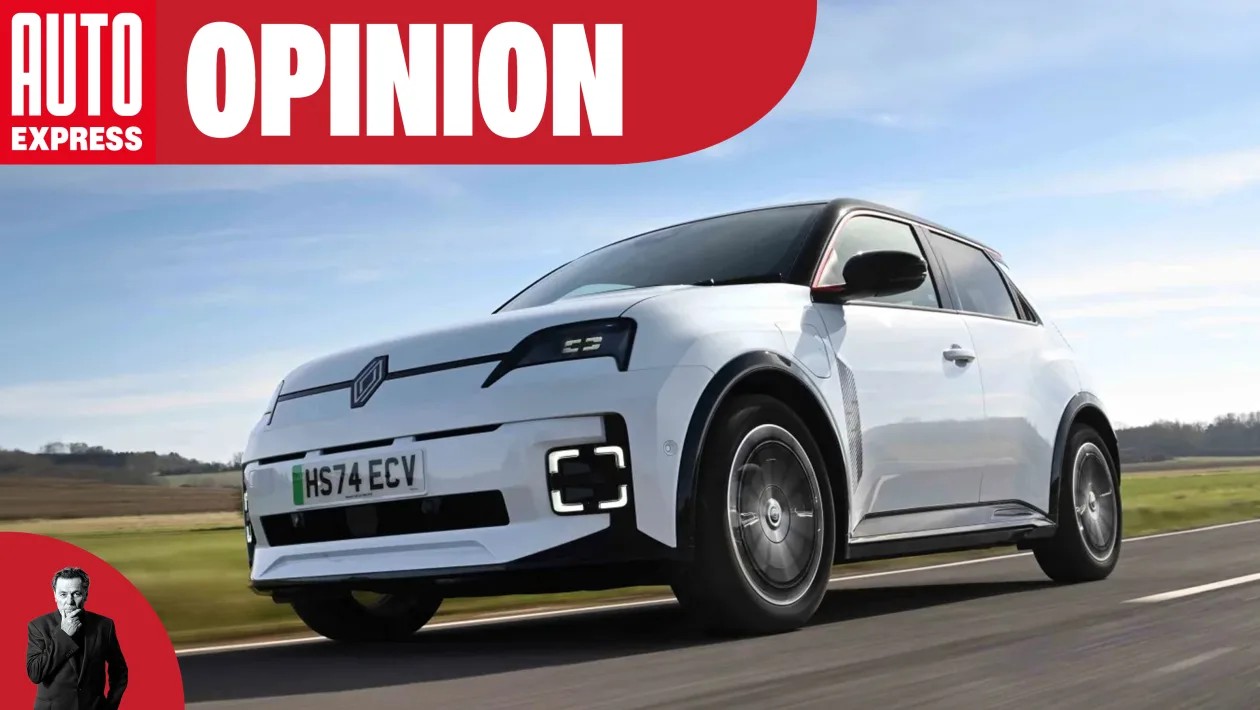
The automotive market is currently facing a significant disconnect between manufacturer pricing and consumer reality. In recent years, many brands have pushed list prices to ambitious, inflation-defying heights. This trend has fundamentally altered consumer behavior: instead of upgrading to new models every few years, drivers are holding onto their current vehicles for much longer.
While this shift benefits independent repair shops and parts suppliers, it has created a crisis for manufacturers. In the UK, for example, vehicle factory output slumped to a 73-year low last year, a direct consequence of showrooms struggling to move expensive inventory.
The Price Gap: “Cheap” vs. “Inexpensive”
A critical distinction is emerging in the market between products that are merely cheap and those that are truly inexpensive.
- Cheap cars (such as the £7,695 Citroen Ami) serve niche or ultra-budget purposes but often lack the versatility required for daily life.
- Inexpensive cars occupy the “sweet spot” between £17,000 and £23,000. These vehicles offer genuine value, providing modern quality and reliability without the prohibitive costs of the premium segment.
Manufacturers attempting to pivot from “premium” to “luxury” status are increasingly finding themselves priced out of the mass market. Conversely, brands focusing on this sub-£25,000 bracket are successfully capturing the attention of a disillusioned consumer base.
The Contenders: Who is Winning the Value War?
Several manufacturers are positioning themselves to dominate this highly competitive mid-market segment.
The Value Leaders
Renault is currently leading the charge with a strategic lineup aimed at accessibility:
* Renault 5: A standout performer currently starting at approximately £21,495.
* Upcoming Twingo: Expected to launch at under £20,000.
* Next-generation Clio: Likely to sit just above the £20,000 mark.
The Electric Vehicle (EV) Race
As the industry shifts toward electrification, the battle for the affordable EV is intensifying. While Kia’s EV2 is a highly anticipated model, its entry price (around £24,245 after incentives) may still be too high to compete effectively without significant dealer discounts.
The real competition will likely come from:
* Volkswagen and Skoda: Potential entry-level models like the VW ID. Polo or Skoda Epiq could undercut rivals if priced near the £22,000 mark.
* Chery (China): The Tiggo 4 is emerging as a “dark horse” in the market. This chunky, well-designed SUV offers significant size (nearly 4.5 meters) for a price under £20,000.
Market Outlook
As we look toward 2026 and 2027, the definition of a “good” car is shifting. For many drivers—particularly those navigating slow-moving, congested urban environments—the need for high-end luxury is being replaced by a demand for high-quality, manageable, and affordable mobility.
The brands that succeed will be those that stop chasing luxury status and start mastering the art of the affordable, high-quality daily driver.
Conclusion
The automotive industry is reaching a turning point where consumer demand for affordability is forcing a realignment of pricing strategies. The brands currently mastering the £17,000–£23,000 price bracket are best positioned to lead the next era of vehicle sales.