





For many luxury SUV buyers, long-term dependability matters more than badge prestige or the latest gadgets. True luxury reveals itself not in the showroom, but years later, when a vehicle still starts reliably, handles high mileage without major issues, and avoids crippling repair bills. This article ranks the most reliable luxury SUVs by generation, based on iSeeCars reliability scores, which prioritize long-term ownership outcomes.
Reliability varies significantly between redesigns; a brand’s reputation isn’t a guarantee. Japanese brands—Lexus and Acura—lead the rankings thanks to conservative engineering, but some European models defy expectations. These are the luxury SUVs that earned their reputations the hard way: over time.
Lexus Dominates: The Reliability Leaders
Lexus consistently tops the charts. Their focus on proven technology and durable components sets them apart. The Lexus LX 570 (2008–2021), built on the Toyota Land Cruiser platform, earns an 8.7/10 reliability score. Its naturally aspirated V8 avoids the complexity of turbocharging, and owners report exceeding 200,000 miles with routine maintenance. While fuel consumption is high, the LX 570 is the benchmark for durability.
The Lexus RX 450h (2016–2021) achieves an 8.6/10. Its hybrid system, refined over decades, is remarkably durable, and electrical issues are rare. The naturally aspirated V6 reduces stress on components, ensuring longevity.
The Lexus GX 460 (2010–2023) scores an 8.4/10. This rugged SUV doubles down on fundamentals: body-on-frame construction, a V8 engine, and traditional four-wheel drive. Fewer cutting-edge systems mean fewer failures, making it a reliable choice for buyers prioritizing durability.
European Contenders: Select Generations Stand Out
European luxury SUVs generally lag behind Japanese rivals in reliability, but some generations perform well. The Volvo XC60 (2018–Present) earns an 8.3/10 thanks to improved engineering and quality control. While early models had software issues, later production years are more dependable.
The Porsche Cayenne (2011–2017) achieves an 8.2/10. This second generation benefited from improved electronics and powertrains compared to the problematic first generation. Proper maintenance is crucial, but it delivers a rare combination of performance and long-term dependability.
American and German Options: Reliability Improves, But Trade-offs Remain
The Acura RDX (2019–Present) scores an 8.3/10, balancing performance, technology, and reliability. Built on Honda’s foundations, its turbocharged engine has proven durable. The Audi SQ5 (2018–2024) earns an 8.0/10, blending performance and practicality, though maintenance costs are higher than Japanese rivals.
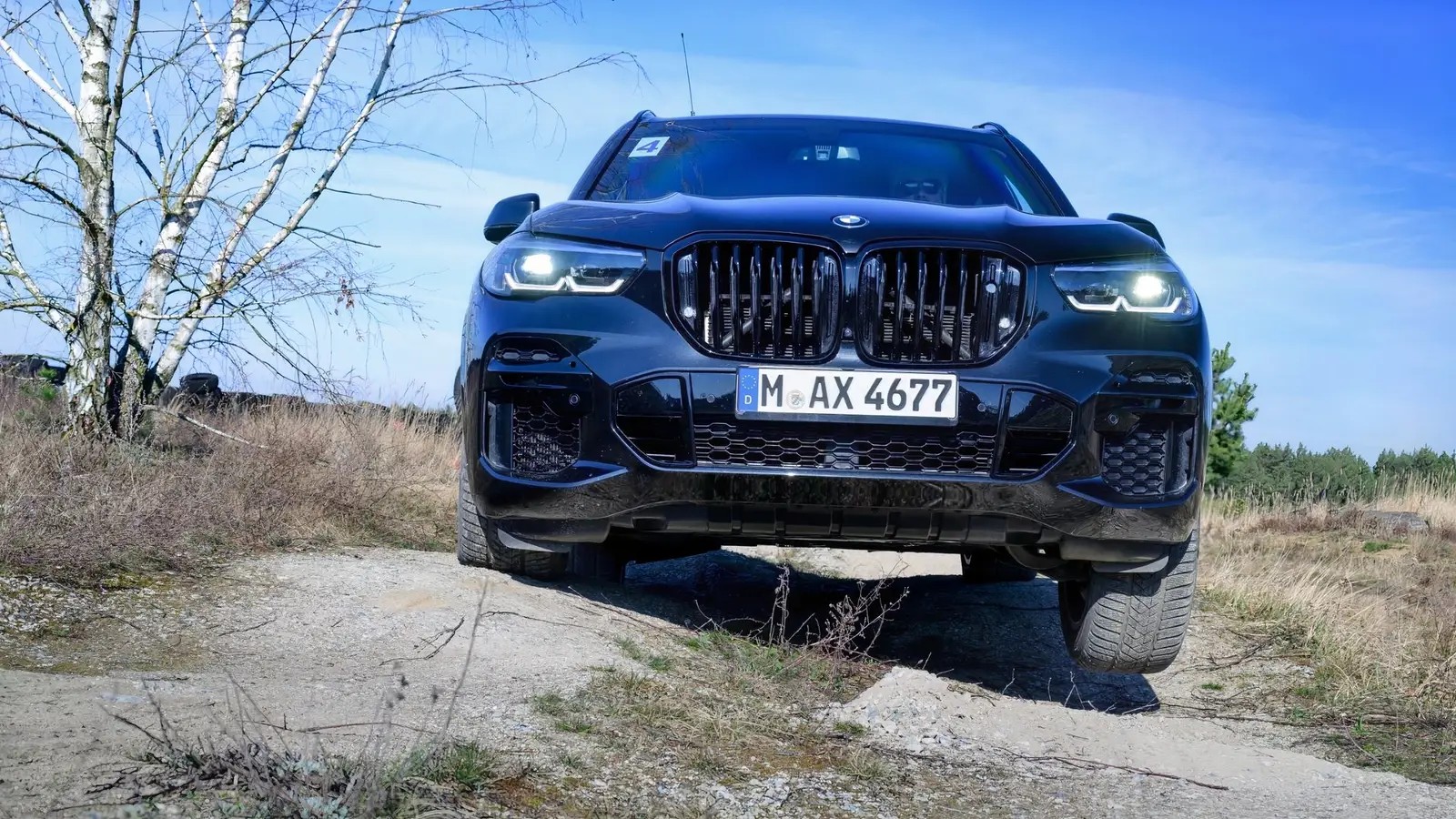
The Infiniti QX60 (2014–2020) gets a 7.9/10. Its focus on comfort and family-friendliness translates to better reliability than many three-row competitors. The BMW X5 (2019–Present) improves to a 7.8/10, but still requires diligent maintenance. The Mercedes-Benz GLE (2020–Present) rounds out the list at 7.7/10, prioritizing comfort and technology over absolute dependability.
Conclusion
Choosing a luxury SUV based on reliability means prioritizing long-term ownership costs and minimizing potential headaches. Lexus dominates this space, with models like the LX 570, RX 450h, and GX 460 offering exceptional durability. While some European contenders improve, Japanese engineering remains the most reliable bet for luxury buyers who value peace of mind over prestige.