

The American performance landscape looks nothing like it used to. Most sports coupes? Dead. Expensive. Or stripped of soul. People today don’t care about the drive. They care about cargo space and convenience. Regulations help kill the dream, but consumers do the real damage.
We watched legendary nameplates dissolve into confusion. Some didn’t even notice until their car looked like a spaceship instead of a muscle car. Then there is Ford. One brand that refused to throw the baby out with the bathwater. Six decades in, the Mustang still follows the same 1960 blueprint. Evolution, not revolution.
Why the Icons Died
Finding an affordable coupe is harder than finding a honest politician. Costs up. Emissions laws tighter. People want SUVs. Automakers? They love SUVs. Big vehicles mean fat margins. Cheap sportiness means pennies.
The era of attainable power is over. 2026 doesn’t do affordable. The coupe shape survives, mostly because it looks cool in commercials. The reality? Consumers want appliances. Get them from A to B. Don’t ask for excitement.
So manufacturers stop building enthusiast cars. Or at least they pretend to. Prices skyrocket. Even the “entry level” sports cars are out of reach for most. It’s a niche now. A shrinking one.
And then came the betrayal of legends. Look at Dodge. Instead of retiring the Charger with dignity, they scrambled. No more HEMI. No more V-8 heart. Just an EV version that feels wrong and a twin-turbo six-cylinder that feels… strange.
Who wants an electric Charger? Maybe no one. If you buy a rear-wheel drive four-door with that six-cylinder engine, why not just buy a BMW? At least the German cars are honest about who they are. Now the Charger and Challenger share a platform. One has two doors. One has four. Call them both “Charger.” We’re supposed to be okay with this? No. But here we are.
The Car That Said No
Enter the Ford Mustang.
While Dodge played dress-up, Ford kept sharpening the knife. They didn’t try to invent a new identity. They stuck to the core philosophy that sold a million cars in eighteen months. Back in 1964.
Lee Iacocca saw a wave. Baby boomers turning eighteen. Hungry. Poor. But free. He built a car for them. The first one cost $2,368. Roughly $25k today. Cheap. Fast. Loud.
It worked. Too well.
Ford accidentally created a category. The “pony car.” Front engine. Long hood. Rear wheel drive. Cheap to buy. Fun to drive. Chevrolet watched and built the Camaro. Dodge watched and built the Challenger. But only the Mustang stayed true to the formula. Every single generation. Since the beginning, there was always a V-8 option. Seven generations. Same heart. Different beats.
2026: Same Recipe
Ford could have quit. They could have gone all electric like the Mustang Mach-E (which isn’t a Mustang, just a sticker slapped on a crossover). Or they could have killed the manual transmission.
They didn’t.
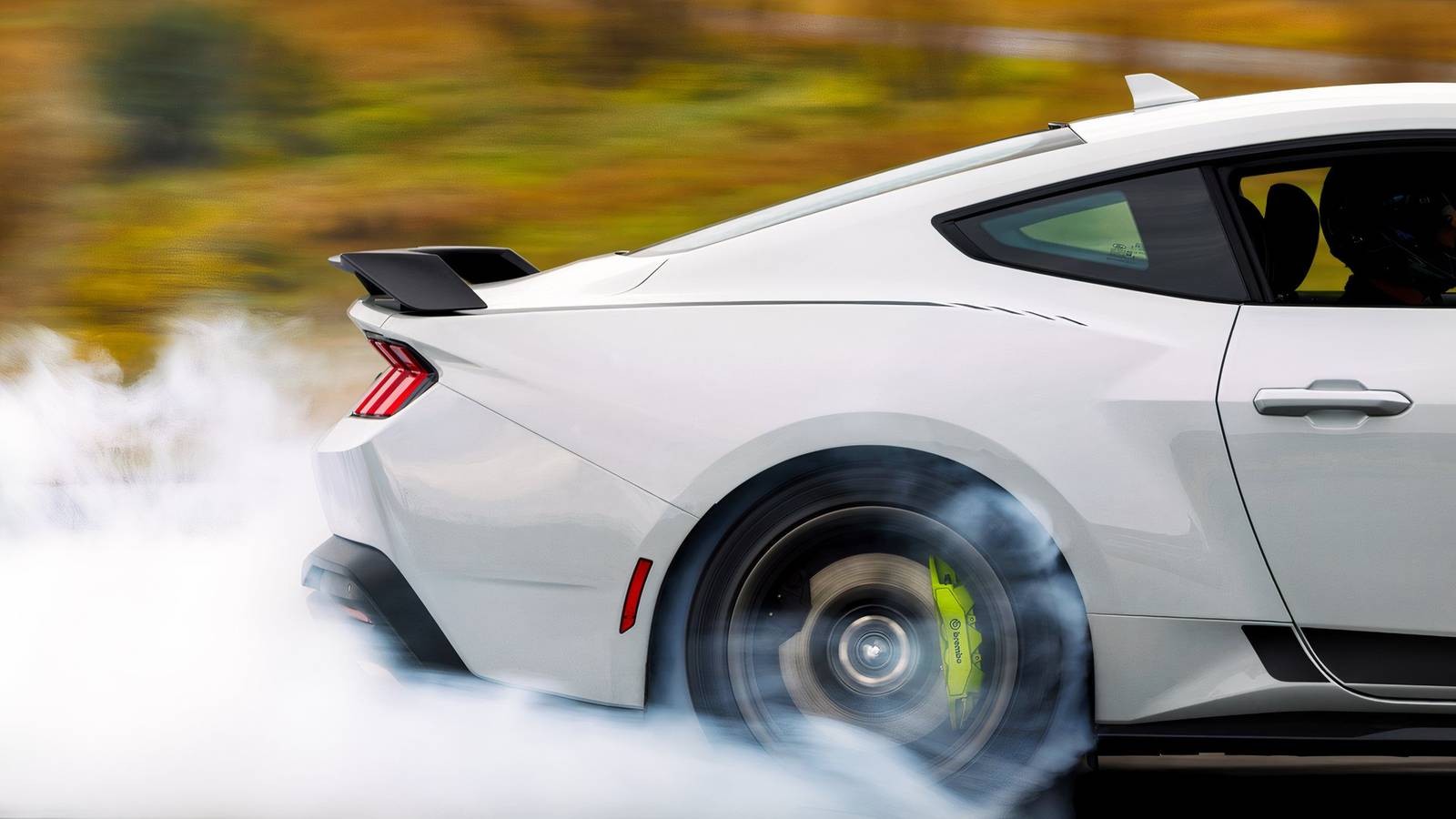
The 2024-and-up generation doubles down. Specifically the GT. If you want the Mustang experience, you buy the GT. Under the hood sits the 5.0-liter Coyote. Fourth gen. Naturally aspirated V-8.
480 horsepower.
418 pound-feet of扭矩 (torque).
It’s glorious. Mated to a six-speed manual or a ten-speed auto (same price, which is a miracle). The EcoBoost models? They exist, sure. But the manual box is locked behind the GT door. For purists, this is the only way in.
Daily usable? Surprisingly. The GT isn’t uncomfortable. It breathes. It feels mechanical in a digital world.
But it’s alone now. Ford killed the Focus RS. The Fiesta ST. The hot hatches? Gone. The Focus left us in 2018. There’s no coming back. The Mustang is Ford’s last gasp of traditional American coupe engineering. If this goes, there is nothing.
Why It Survived
It wasn’t about innovation. It was about consistency.
The Mustang feels familiar. Even to people who couldn’t tell a carburetor from a catalytic converter, they recognize the silhouette. That familiarity breeds trust. Trust builds community. The community buys parts. Parts keep the old cars running. The loop continues.
Look around.
Where is the Camaro? Discontinued.
The Challenger? Absorbed into the Charger confusion.
The Mustang? Still here.
It’s the last V-8 pony car. The survivor.
Ford realized something simple decades ago. They had it right the first time. Why change a winning game plan? The world demanded more safety, better emissions, slicker screens. Ford gave it. But they kept the layout. The rear-drive balance. The V-8 soul.
Authenticity. Rare these days. Priceless.
Will it last?
Who knows.
For now, the road is open. The engine screams. And nobody else is there to challenge it. 🏁