




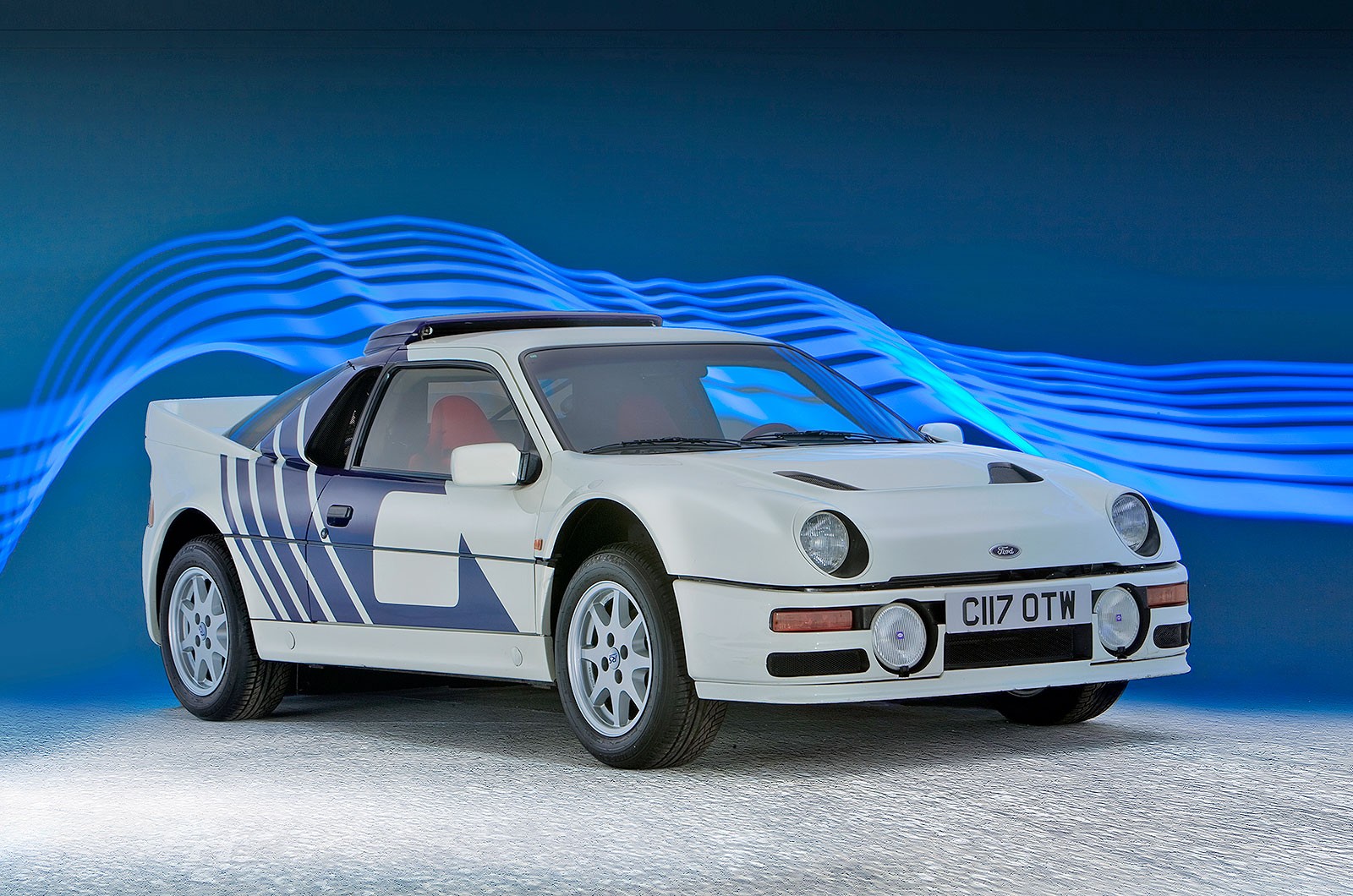
Designing a car that is purely beautiful is relatively easy; designing a vehicle that looks great while fulfilling a specific, practical duty is significantly harder. Ford has long mastered this balance, creating everyday machines that appeal to drivers not just for their utility, but for their aesthetic integrity.
The following list highlights some of Ford’s most visually compelling models from the early 20th century. These selections are arranged chronologically and focus on vehicles that achieved a striking look despite their utilitarian origins. From the revolutionary Model T to the sporting European Model Y, these cars demonstrate how functional design can evolve into iconic style.
The Blueprint for Modernity: Ford Model T (1908)
The Ford Model T, launched in 1908, is often remembered for its mechanical revolution, but its visual impact was equally profound. Its utilitarian simplicity—characterized by flowing fenders, a prominent radiator, and a front-mounted engine—established the general layout for most automobiles for the next three decades.
Henry Ford was famously reluctant to spend money on unnecessary aesthetic development. Instead, he prioritized basic, clean lines that reduced production costs. This approach meant that the price of the Model T actually decreased during its production run. By the time the final Model T rolled off the assembly line in 1927, Ford had produced more than 15 million units, proving that simplicity could be both economically viable and visually distinct.
The Global Successor: Ford Model A (1927)
Replacing a cultural icon like the Model T was no small feat. The Model A, introduced in 1927, succeeded by blending affordability with rugged durability and handsome, updated styling. It retained the core values of its predecessor while offering a more refined appearance.
The Model A’s appeal lay in its versatility. Its attractive lines were adapted to a wide variety of body styles, including saloons, convertibles, coupes, roadsters, pick-ups, and station wagons. Produced in multiple countries, the Model A helped cement Ford’s reputation as a global manufacturer capable of delivering good-looking, low-cost vehicles. By 1932, when it was replaced by the Model B, sales had reached 4.85 million units.
The First Mass-Production V8: Ford V8 (1932)
Though officially known as the Model 18, this vehicle became universally known as the “Ford V8.” The nickname stuck because it perfectly summarized the car’s defining feature: a 221 cubic inch (3.6-liter) “Flathead” V8 engine. This made it the world’s first mass-produced car with a V8 engine, a milestone that transformed American automotive performance.
The car featured an unadorned, clean design that complemented its powerful engine. While only 911 units were produced in the UK, the model’s impact was global. A variant with a V-shaped radiator grille, known as the V8-40, also appeared. The enduring appeal of these cars is evidenced by their status as staples in the post-war US hot rod and custom car scenes, where their simple yet robust styling remains highly regarded.
European Elegance: Ford Model Y (1932)
While the V8 dominated the American market, Ford Europe launched the Model Y in 1932, drawing styling inspiration from the upcoming V8-40. The Model Y featured clean lines and an understatedly sporting V-shaped front grille, giving it a more dynamic appearance than its modest 933cc straight-four engine might suggest.
Despite its lack of high performance, the Model Y was a commercial success, with 157,668 units sold by the end of production in 1937. The most popular variant was the two-door Tudor saloon, which featured the era’s characteristic flowing wings. For those requiring more practicality, the four-door “Fordor” saloon was available, though it sold in much smaller numbers. The Model Y demonstrates how effective styling can elevate a modest family car into a desirable choice.
Conclusion
These early Ford models illustrate that aesthetic appeal does not require excess; rather, it emerges from a harmonious blend of function, simplicity, and purposeful design. By prioritizing clean lines and practical versatility, Ford created vehicles that were not only accessible to the masses but also visually enduring.