

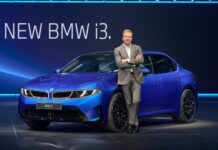

Oliver Zipse, the outgoing CEO of BMW, has maintained a remarkably low profile during his seven-year tenure. Unlike many high-profile automotive leaders, he has avoided flashy public appearances or sensational media statements. However, this doesn’t diminish his effectiveness: under his leadership, BMW has consistently delivered strong financial results even in challenging times.
Navigating Global Headwinds
The 2025 financial year presented significant hurdles for the automotive industry. Falling sales in China, U.S. tariffs, and unpredictable electric vehicle (EV) adoption rates created a turbulent market. Despite these difficulties, BMW posted a group margin of 7.7%, generating over €7 billion in profits. This stands in stark contrast to many competitors struggling with red ink.
The Significance of Stability
Zipse’s approach focused on stability and execution rather than disruptive innovation or high-risk ventures. This strategy allowed BMW to weather the storm while others faltered. The company’s resilience is particularly noteworthy given the volatile nature of the automotive market, where sudden shifts in consumer demand and geopolitical events can quickly undermine profitability.
Future-Proofing Through Prudence
BMW’s success under Zipse suggests that a measured, pragmatic approach can be more effective than chasing fleeting trends. The company has quietly invested in key areas such as EV technology and supply chain diversification without overexposing itself to speculative investments. This approach has paid off, positioning BMW for long-term sustainability.
BMW’s steady performance under Zipse demonstrates that consistent execution and careful risk management can deliver exceptional results in a turbulent industry. The company’s quiet success is a testament to the power of pragmatic leadership in a world obsessed with disruption.