
Hyundai is expanding its dedicated electric vehicle (EV) lineup with the introduction of the Ioniq 3, a compact hatchback designed specifically for the European market. Combining a distinctive “Aero Hatch” silhouette with practical range capabilities, the new model marks a strategic move to capture market share in regions where EV adoption continues to accelerate.
Design: The “Aero Hatch” Aesthetic
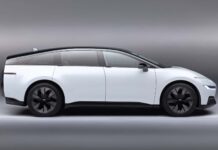
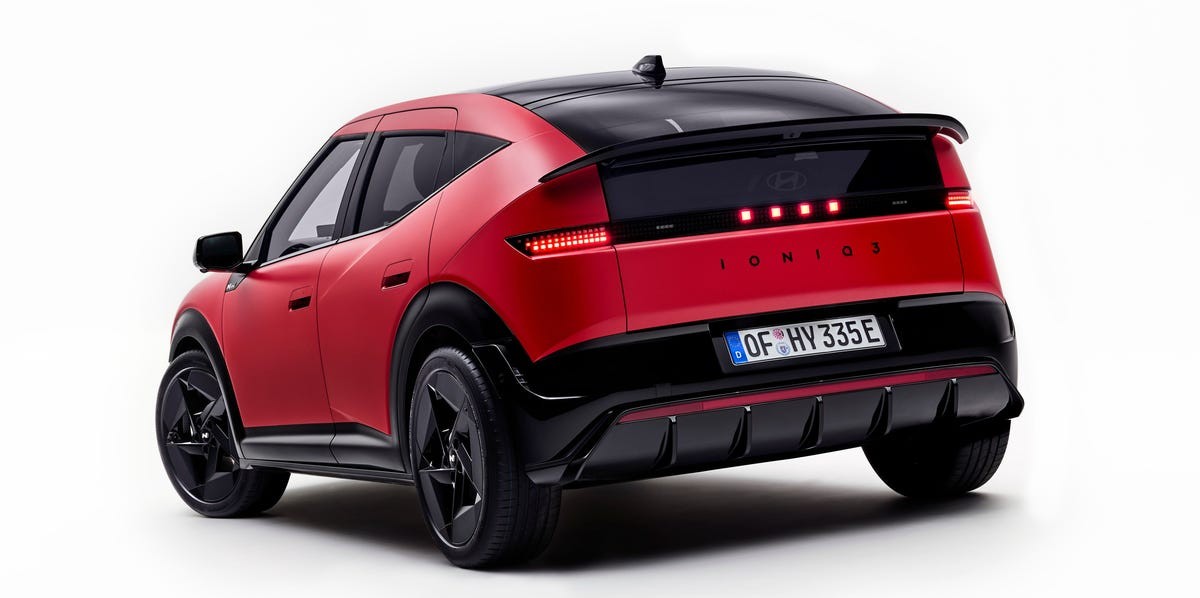
The Ioniq 3 features a streamlined, futuristic profile that draws immediate comparisons to the cult-classic Hyundai Veloster. While it lacks the Veloster’s unique three-door configuration, it adopts a similar sense of motion through its sharply sloping roofline and pointed front end.
Key design elements include:
– Aerodynamic Efficiency: The car boasts a low drag coefficient of 0.26, a critical metric for maximizing electric range.
– Signature Lighting: The front is characterized by horizontal LED “eyebrows” and a black band housing the main headlights. Notably, four LED squares below the Hyundai badge serve as a nod to the letter “H” in Morse code—a design motif also seen in the Ioniq 5 and Ioniq 9.
– Compact Dimensions: At 163.5 inches long, the Ioniq 3 is significantly more compact than the Elantra sedan, making it an ideal urban commuter.
Currently, Hyundai is showcasing the N Line trim, which is expected to offer the most aggressive styling within the lineup.
Performance and Range Specifications
Built on the 400-volt version of the E-GMP platform (the same architecture used by the Kia EV3), the Ioniq 3 offers two distinct battery configurations to suit different driving needs:
| Feature | Standard Range | Long Range |
|---|---|---|
| Battery Size | 42 kWh | 61 kWh |
| WLTP Range (Europe) | ~213 miles | ~308 miles |
| Estimated EPA Range (U.S.) * | ~181 miles | ~261 miles |
| Horsepower | 145 hp | 133 hp |
| Torque | 184 lb-ft | 184 lb-ft |
*Estimated based on typical conversion metrics.
In terms of charging, the Ioniq 3 supports DC fast-charging, capable of going from 10% to 80% in approximately 29 minutes. It also supports AC charging at up to 22 kilowatts.
Interior Technology and Utility
Despite its compact footprint, Hyundai has prioritized cabin space by utilizing a long wheelbase and a flat floor. The interior is centered around a high-tech cockpit featuring:
– Digital Interface: A standard 12.9-inch touchscreen, with an available upgrade to a 14.6-inch display running the Android Automotive-based Pleos Connect system.
– Premium Comfort: Options include heated and ventilated seats, ambient lighting, and a Bose sound system.
– Vehicle-to-Load (V2L): This feature allows the car to act as a mobile power source, enabling users to plug in and power external electronic devices.
Market Context: A Regional Strategy
The launch of the Ioniq 3 highlights a divergence in Hyundai’s global EV strategy. While the company has recently streamlined its Ioniq offerings in the United States—dropping the standard Ioniq 6 sedan—it is doubling down on the European market.
The Ioniq 3 is a response to the high demand for efficient, smaller electric vehicles in Europe. Because of its specific design and size, it is unlikely to see a release in the U.S. market unless there is a significant shift in American consumer preferences or regulatory frameworks.
The Ioniq 3 represents Hyundai’s effort to blend aerodynamic efficiency with urban practicality, targeting the growing European demand for compact, high-tech electric hatchbacks.