




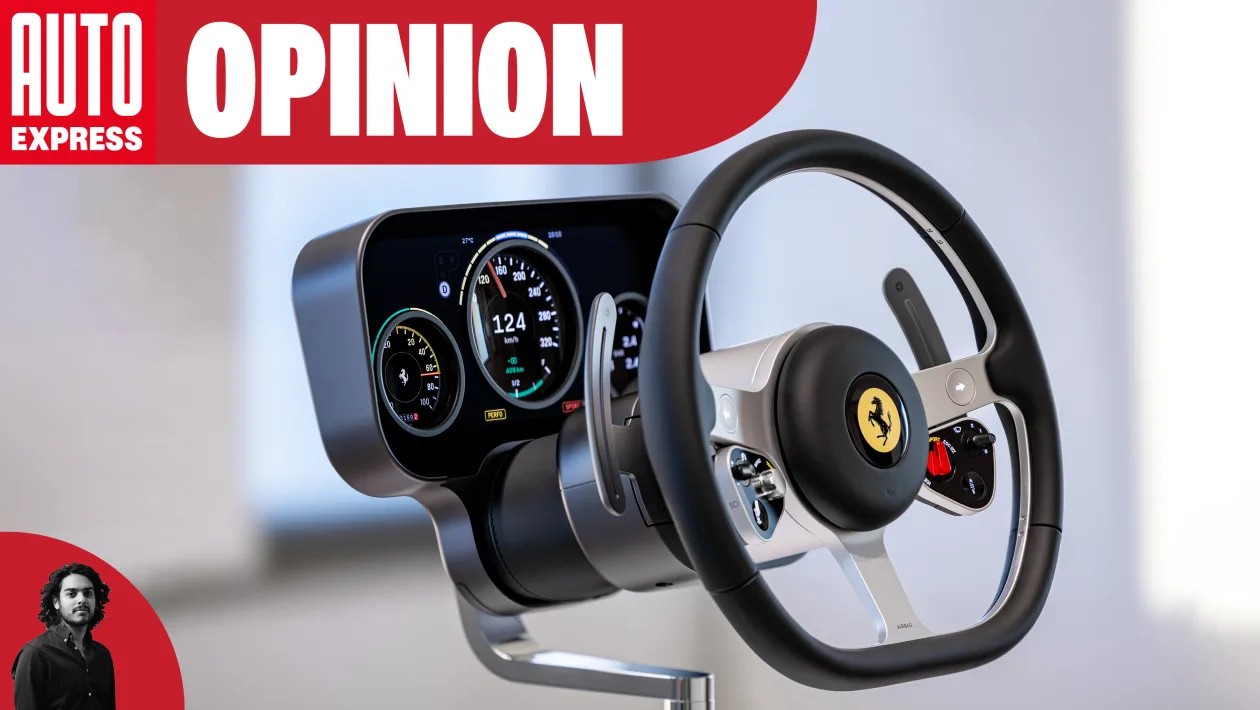
For years, the automotive industry has chased the dream of turning cars into rolling smartphones, dominated by touchscreens and digital interfaces. Yet, Ferrari’s first all-electric model, designed with input from Apple’s former chief designer Sir Jony Ive, is taking a surprisingly different path: a return to physical buttons and a deliberately minimalist aesthetic.
The Shift Away from the Screen
The move has sparked debate. Critics question whether a cabin inspired by a £1,200 iPhone is fitting for a car priced at over £500,000. But the design isn’t retro; it draws on Ferrari’s history while embracing Apple’s signature simplicity. The interior features clean lines, almost cartoonish shapes, and materials that appear basic in photos but reveal high-end finishes – glossy glass and anodized metal – in person.
This isn’t about rejecting technology; it’s about prioritizing user experience. Ferrari recognizes that drivers want refinement, not just a larger touchscreen. The Luce’s interface will blend high-resolution displays with tactile, physical controls reminiscent of classic mechanical switchgear.
Why This Matters
This approach is significant because it challenges the prevailing trend of all-digital dashboards. It acknowledges that buttons and dials offer a more intuitive, responsive, and ultimately safer driving experience. Touchscreens demand attention, while physical controls can be operated by feel, reducing distraction.
The automotive world has been fixated on replicating smartphone-like simplicity, but Ferrari’s gamble suggests that true luxury isn’t about deleting controls. It’s about curating them. The success of this design will depend on whether the final execution lives up to the hype – and whether it complements the car’s exterior.
Ferrari is betting that a refined, tactile interior will resonate with buyers who demand both performance and luxury. Whether this pays off remains to be seen, but the move is a bold statement against the industry’s relentless pursuit of digital dominance.