Most racetrack support vehicles look like they belong on a grocery run. Tall SUVs with pop-out cargo doors. Safe. Predictable. Hyundai looked at the paddock, shrugged, and decided to break the mold for the IMSA Michelin Pilot Challenge.
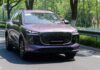
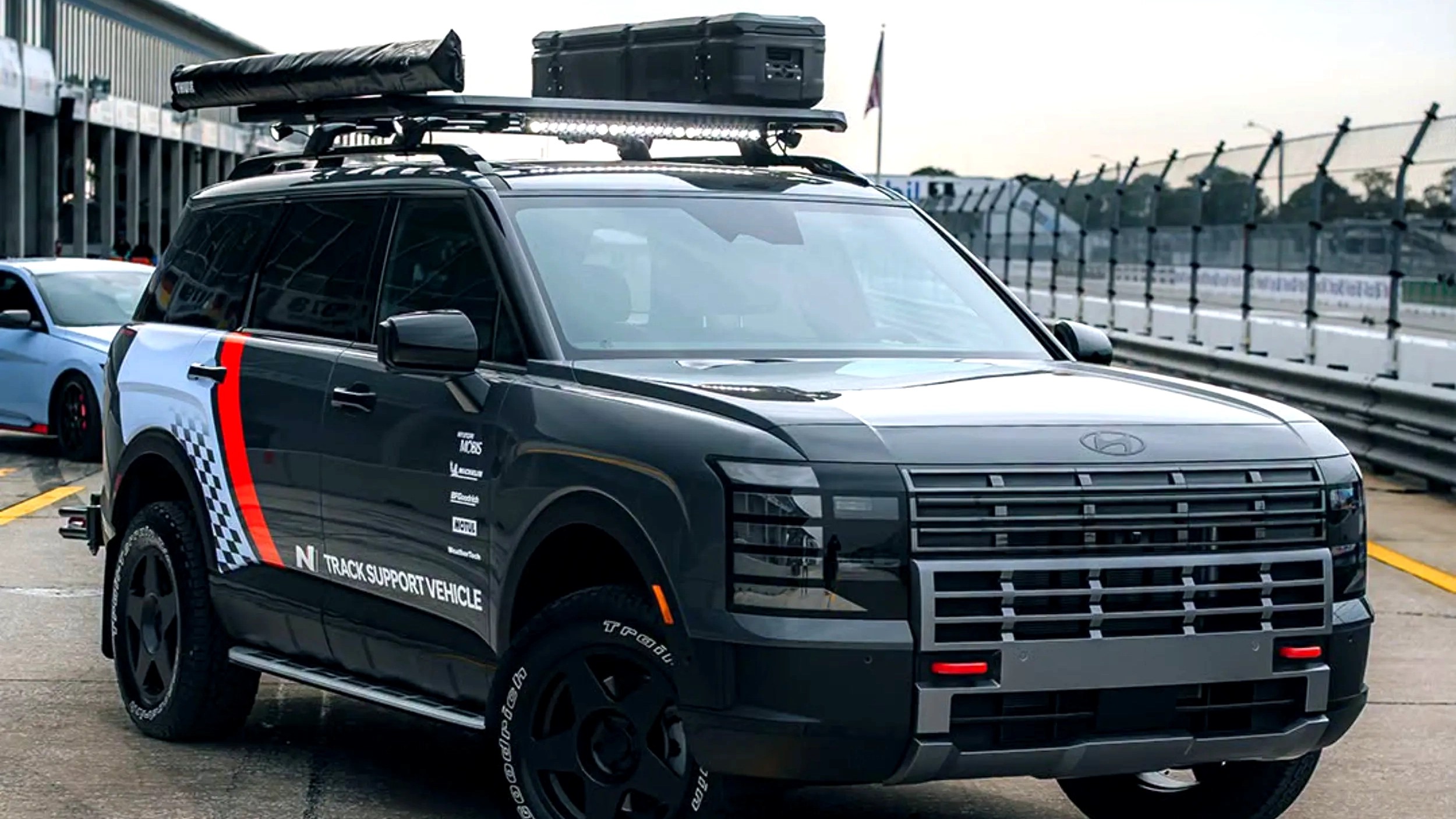
They didn’t send an SUV wearing a performance badge. No. Instead, the automaker turned to the off-road focused Hyundai Palisade XRT. This custom one-off unit serves as the official support vehicle for the Hyundai Motorsports North American racing program, specifically backing the Bryan Herta Autosport crew during their IMSA campaign.
The rugged Palisade XTR was developed with direct input from Hyundai’s in-house performance division. That is a distinction without a difference.
A Heavyweight With a N-Performance Tag
Here is the catch: The standard Palisade is no sprinter. The current generation is heavier and slower than its predecessor. So, why put this substantial three-row SUV into a high-performance racing ecosystem?
Because Hyundai didn’t just slap a logo on it. This specific iteration carries the “N Track Support Vehicle” branding, tying it to Hyundai N, the brand responsible for their hotter models. While the standard Palisade isn’t a track weapon, its development benefited from the engineering team’s expertise. This custom build is less about lap times and more about hauling the heavy, essential kit needed for a factory racing team to function on asphalt circuits.
The “Stealth” Look Is Intentionally Stealthy
If you squint, it looks like a dark grey Palisade. If you look closer, it’s painted a specific shade meant to look understated, until you remember it belongs on a racetrack. That’s when the design breaks open.
You get signature N Performance red-orange stripes running along the sides. Checkered flag graphics in light blue add a nostalgic touch. The front doors and rear quarters are covered in sponsor decals, making the “stealth” moniker a bit of a marketing joke. It’s stealth from the highway. Everywhere else, it screams racing.
Function Over Form (Mostly)
Hyundai added a bodykit that mimics the rugged XRT aesthetic. Recovery points are bolted to the frame because, let’s be honest, racing is rough. A Thule roof rack sits atop the roof. An auxiliary LED bar shines down. Rock sliders hug the sides.
And tires? Chunky BF Goodrich all-terrain rubber wrapped in black five-spoke wheels.
Will they see use? No. The Palisade support vehicle rarely leaves the paved paddock or pit lane. Those rock sliders? They sit unused. The aggressive tires? Purely for show on the circuit, though they give it a mean stare-down.
It’s A Mobile Toolbox
Look at the back. There’s a hitch-mounted wheel carrier holding two sets of wheels. This isn’t for aesthetic balance. It’s practical. If the factory Bryan Herta Autosport Elantra TCR cars suffer a tire change or wheel damage during the race weekend, the crew has immediate spares available right outside the pit wall.
Open the hatch and you are greeted by:
* Michelin Pilot Sport slicks ready to go
* A WeatherTech liner because professional racing crews expect professional-grade organization
* Bottles of Motul racing fluids
* Heavy-duty recovery straps
* A hard-sided storage case
And tucked away inside? A custom Bell helmet that previously belonged to IMSA veteran Mark Wilkins. A small, quiet tribute to the people who actually drive these cars at 160 mph.
A Missed Opportunity For Enthusiasts
It is genuinely frustrating that you can’t walk into a Hyundai dealer and buy this. It makes no sense.
The vehicle is perfect for anyone who owns a street-legal Hyundai Elantra N and needs a durable, high-visibility support car for autocross or track days. It has the ruggedness, the space, and the branding. It fits the culture. But Hyundai kept it in-house. No accessories catalog entry. No dealer stock. Just one example moving gear for a team in a single, specific championship series.
The racing calendar moves fast. By the time the IMSA series winds down, this specific Palisade will be parked, preserved in a warehouse somewhere