




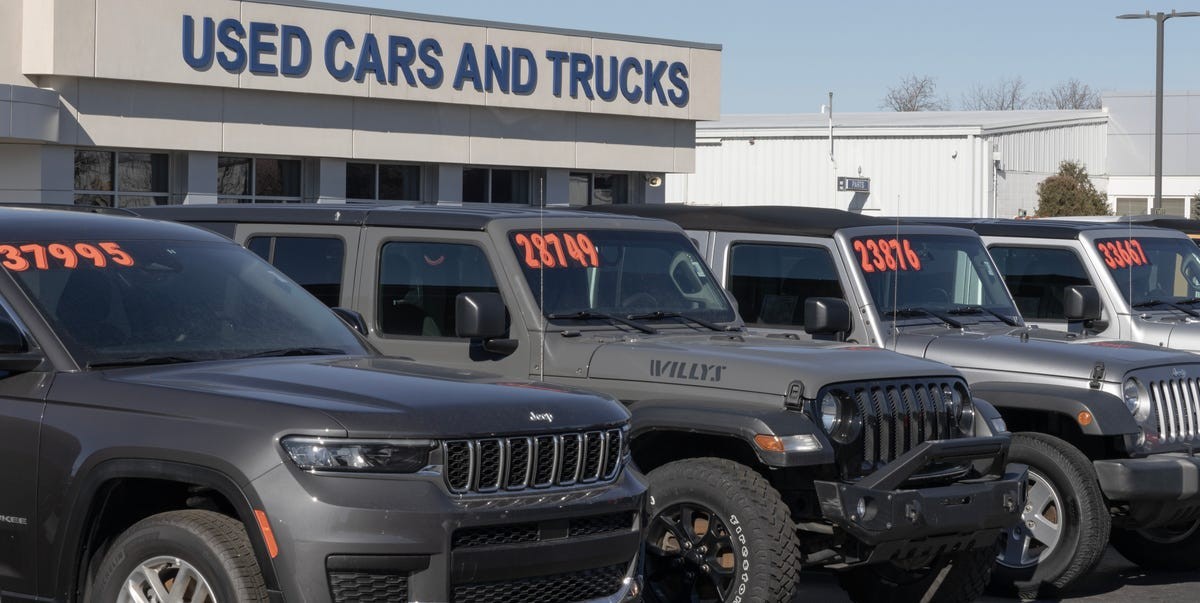
Does the used car lot terrify you? More than a tax audit? Chill.
Buying a secondhand car doesn’t have to suck. I’m an auto auctioneer with thirty years under my belt. I’ve bought five thousand used cars. Sold over a hundred and fifty thousand. It’s not rocket science. It’s just pattern recognition.
You need a few tricks. Just a dozen or so. These make the hunt easier than you think.
The market is flooded with duds. So use data.
Read Between the Carfax Lines
Check Carfax. Everyone tells you to. It’s the industry standard for history reports. Ownership count. Location. Accidents.
Here is the lie you need to ignore: A “clean” history does not mean a good car. It just means a car with no reported damage. Many wrecks slip through. They leave a clean sheet but a broken frame.
Ignore the number of owners. One bad owner ruins any car. Fifty good owners can’t save a death trap.
Focus on these three things:
- Oil changes. Look for intervals of 3,000 to 5,000 miles. It shows the previous owner cared. If you see fifty service records but the engine blew because they skipped fluids? Classic.
- Transmission fluid. If it has a CVT (continuously variable transmission), it needs fluid service by 60,000 max. Look for proof.
- Registration history. Eight years or older? Check where it lived. Avoid the Rust Belt. Avoid the beach. Salt kills cars. Faster than mechanical neglect.
Carfax tells you what wasn’t done. It doesn’t guarantee what was done well.
Profile the Previous Owner
Who held the keys before you?
Short tenure is a red flag. Owned it for six months? They probably knew it was expensive and dumped it. If they bought it last week and already spent money on repairs, walk away.
Did they own it for years? Good. Call their mechanic.
Here is the script. Use it.
“I’m thinking about buying this car. It had service at your shop. Can you tell me what work was actually done versus what was recommended but declined?”
Nine out of ten times. They will talk. They’ll tell you what the previous owner skipped. That skipped list? That’s your repair bill estimate.
Ask them: Is this car drivable? If they say no, don’t argue. Pay forward the kindness with a Google review.
Talk to Humans, Not Algorithms
Are you buying from a private seller? Be nice. Seriously.
Aggressive questioning kills trust. Don’t fire off six emails about specs. Chat. Build rapport.
“I like to maintain my cars. What did you last do for it?”
Can they answer that? If they guess or lie—cross them off.
If the person on the phone isn’t the owner? Be careful. Scammers exist. But if it’s real? Listen more than you talk.
Use soft phrases. “Would you recommend?” “Is it possible to see…”
Make them comfortable. They are about to let you drive their baby. Ease their anxiety. They might spill secrets otherwise.
The Stationary Test
Most test drives fail because you’re moving.
Start by doing nothing. Parked.
Leave it running for five minutes. Hit every button. Knobs. Lights. Mirrors. Windows. If it breaks, you haven’t committed.
Ask before you open the sunroof. Many are leaky. Repair parts for older roofs are often unobtainable. If the seller says no to testing it without explanation? Walk.
Check the A/C. Wait for cold air. Takes a minute? Probably fine. No frosty breeze? Bad compressor.
Switch to heat. Needs hot air in 30 seconds. Smells like syrup? Sweet rot. Heater core issue. Expensive. Fix it or flee.
Then. Drive.
Keep the radio off. Silence reveals sins. Clunks? Wandering? Hard shifts?
Brake pedal should feel solid. Squishy? Bleeding issues. Smell burning? Oil leak on exhaust. Not fatal, usually. But annoying and pricey.
Watch the temperature gauge. Fluctuates after warmup? Hits the red zone? Cooling system is fighting for its life. Give the keys back.
The Inspection Trap
You’ve liked it. Now inspect it.
New car dealerships? They won’t help if the car is older than ten years. Most refuse to touch it. Don’t waste their time.
Find an independent shop.
But check the reviews first. Look for shops with under 500 reviews on Google. Why? High-volume shops with thousands of five-star reviews often buy fake praise. Small shops are more likely to be honest.
Read the one-stars. How does the owner respond? Spam copy-paste? Skip. Genuine effort to solve problems? Hire them.
Tell them your concerns. Let them work.
When done. Don’t just read the paper report. Find the mechanic. Talk to them. One on one.
Ask this directly: Would you let your kid drive this as a daily?
If they hesitate, listen closely. Their body language says everything the report cannot.
Pay Upfront for Later Peace
If you buy a $5,000 car. Assume you’ll spend another $1,000.
It’s not pessimism. It’s preparation.
Do these steps. You beat 95% of shoppers. Most people skip the history check. Most people don’t call the previous mechanic. Most people don’t let the engine run for five minutes before driving off.
You’ll have better info. Better leverage. Better car.
That’s the difference between finding a treasure and buying a headache.
Just keep looking. The right car is out there.