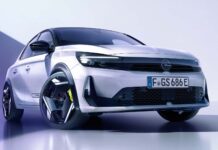

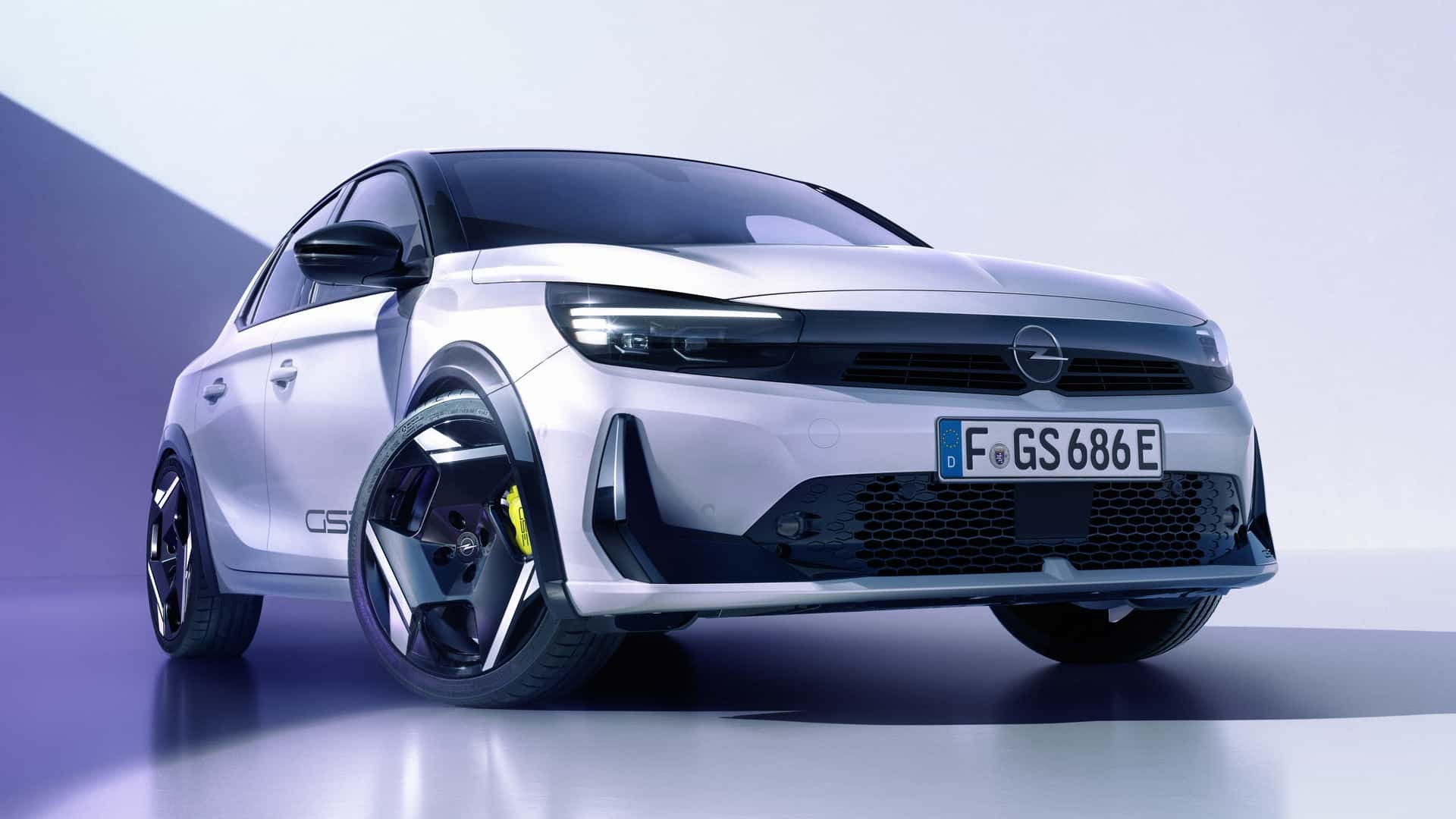
The era of the internal combustion engine (ICE) hot hatch is effectively over in Europe, but the spirit of performance driving is far from dead. Opel has entered the fray with the Corsa GSE, an electric vehicle that attempts to translate the thrills of a traditional hot hatch into the silent, instant-torque world of EVs.
With 278 horsepower and a 0-62 mph (100 km/h) time of just 5.5 seconds, the Corsa GSE is not only the most powerful Corsa ever produced but also the fastest new model in Opel’s current lineup. It represents a strategic pivot for European automakers: how do you keep iconic performance badges alive when regulations are actively phasing out the engines that defined them?
The Regulatory Push for Electric Performance
The Corsa GSE does not exist in a vacuum. It is a direct response to tightening environmental regulations across Europe. The impending Euro 7 standards and aggressive CO₂ fleet-wide emission targets for 2030 and 2035 have made the production of high-performance gasoline cars economically and legally unviable for many manufacturers.
Consequently, brands are repurposing their historic performance identities for electric platforms. This trend is already visible with the Peugeot e-208 GTi, the upcoming Volkswagen ID. Polo GTI, and models from Alpine and Cupra. While purists often debate the validity of applying legendary suffixes like “GTI” or “OPC” to battery-electric vehicles, it is currently the only viable path to preserving these performance legacies in the European market.
Performance Specifications and Engineering
Opel’s approach with the Corsa GSE mirrors its French rival, the Peugeot e-208 GTi, but with distinct engineering choices that aim to retain a driver-focused feel.
- Powertrain: A front-mounted electric motor delivers 278 hp and 345 Nm of torque.
- Drivetrain: Unlike many modern performance cars that default to all-wheel drive, the Corsa GSE retains a front-wheel-drive (FWD) layout, echoing the classic Corsa OPC.
- Handling Dynamics: To combat the understeer often associated with FWD EVs, Opel has equipped the GSE with a Torsen multi-plate limited-slip differential (LSD). This mechanical component helps distribute torque to the wheel with the most grip during cornering.
- Suspension and Brakes: The car sits lower on a stiffer sports suspension with exclusive front and rear axles. Braking is handled by upgraded four-piston Alcon calipers behind 18-inch wheels shod in Michelin Pilot Sport 4S tires.
- Steering and Response: Opel has tuned the steering for sharper feedback and refined the electronic mapping of the throttle and brake pedals to mimic the progressive feel of mechanical systems.
Key Insight: The inclusion of a mechanical limited-slip differential is a significant differentiator. Many electric hot hatches rely solely on software to manage traction, which can sometimes feel artificial. The Torsen LSD offers a more tangible, mechanical connection to the road.
Range, Weight, and Design
The Corsa GSE is powered by a 51 kWh lithium-ion battery pack. While Opel has not officially published the WLTP range figure, industry analysis suggests it will likely exceed the 209 miles (336 km) offered by the heavier Mokka GSE crossover. The Corsa’s smaller size and lower weight—approximately 1,550 kg (3,417 lbs) —should contribute to better energy efficiency, though this weight is still substantial compared to its gasoline predecessors.
Visually, the GSE distinguishes itself from standard Corsas with a more aggressive aesthetic:
* Exterior: A beefier body kit, redesigned bumpers, and a blacked-out finish for the roof, wheel arches, and rear spoiler.
* Interior: Sport seats with enhanced lateral support, contrasting yellow seatbelts, Alcantara trim, aluminum sport pedals, and yellow stitching on the armrests and door panels.
The Verdict: A New Kind of Driving Experience
The transition from gasoline to electric fundamentally changes the driving dynamic. Traditional hot hatches were celebrated for their lightweight chassis, the visceral feedback of a manual gearbox, and the ability to rev an engine to its limits. The Corsa GSE, like its electric competitors, offers instant acceleration and superior straight-line speed, but it lacks the auditory and mechanical engagement of an ICE vehicle.
However, dismissing electric hot hatches outright overlooks the evolution of driver preferences. For a new generation of enthusiasts, the focus may be less on revving engines and more on precision handling, rapid acceleration, and advanced chassis tuning. The Corsa GSE’s combination of a limited-slip differential, sport suspension, and tuned steering suggests Opel is aware of these nuances and is attempting to engineer “fun” into the electric experience.
In summary, the Opel Corsa GSE is a competent, high-performance electric supermini that successfully adapts the hot hatch formula for a regulated era. While it may not satisfy every purist’s nostalgia for the gas-powered past, it offers a compelling, agile, and powerful alternative for drivers seeking excitement in an electric future.