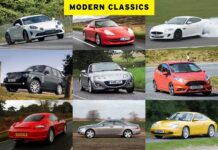

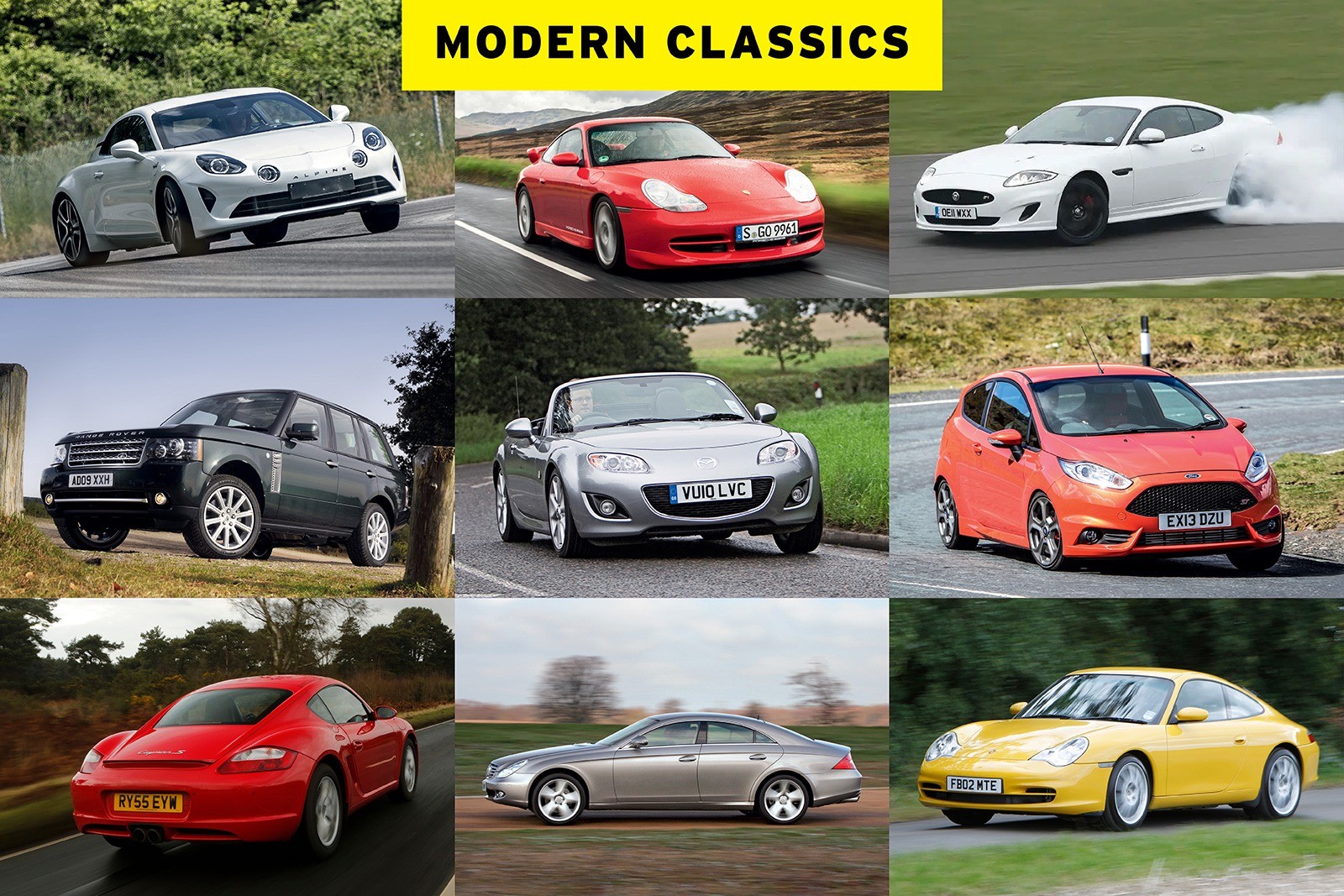
“Modern classic” sounds wrong. Like “jumbo shrimp”. To anyone not obsessed with cars, these vehicles are just appliances. Street furniture. You park them next to the bins and forget them.
But Penguin Books got away with it, so we can too.
Back in the day? Strict borders. “Classic” meant old men in rusted MGBs driving to jumbles. Enthusiasts didn’t talk. Mainstream motoring mags didn’t want it, either. Classic car writers feared their audience would think a new-oldster car belonged in a McDonald’s drive-thru, not on a shelf.
Times have shifted.
Electric bans, air pollution taxes, cameras. They’re squeezing everyone from both ends of the enthusiast spectrum toward the same middle ground. The intersection is here. It has a name. It’s messy. It’s ours.
Defining the indefinable
The term is vague on purpose. Good thing.
Ed Callow from Collecting Cars calls this segment the “democratised” part of collecting. He says the era covers the 80s through the early 2000s. Broad. Vast.
We narrowed it down. Only cars from 2001 onward made the cut. Anything else feels like cheating.
MERCEDES-BENZ CLS (2003–2010)
£2500 – £10,000
Here is the oxymoron personified: a four-door coupe. Built on the E-Class floorpan, the CLS looked alien in its prime. Sleek. Arrogant. Yet it carried that specific Mercedes weight. That promise of prestige.
Standard equipment was generous. Part-leather trim. Climate control. Adaptive cruise. Even air suspension if you paid extra. Every single one drives from the rear wheels, through a seven-speed auto. No manuals here.
But wait. Cheap prices mean traps.
Early petrol engines suffer with their balancer shafts. Some owners say just run.
Watch for speed sensor failures in the gearbox. Diesel buyers? Check the inlet port shut-off motors. The first-generation CLS is affordable precisely because it can be a nightmare to maintain. Pick carefully. Or don’t pick at all.
PORSCHE CAYMAN (2005–2012)
£7500 – £30,000
The 987 Cayman sits on every serious enthusiast’s list. Not for show. For feel.
Engine in the middle. Flat-six configuration. It’s the sensible brother of the 911. You can throw it around corners with confidence you never truly possess in the longer-wheelbase model from the same era.
The six-speed manual is analog joy. Pedals with actual weight. Feedback that matters. The PDK automatic shifts fast. Blindingly so. But then you have those tiny buttons on the wheel rim. They fight your fingers. They add a layer of digital friction to a purely physical experience.
Is that worth the time savings? Maybe.
The market for these machines is heating up. The window to buy a clapped-out Porsche without an argument is closing. Not shut. But narrowing.