




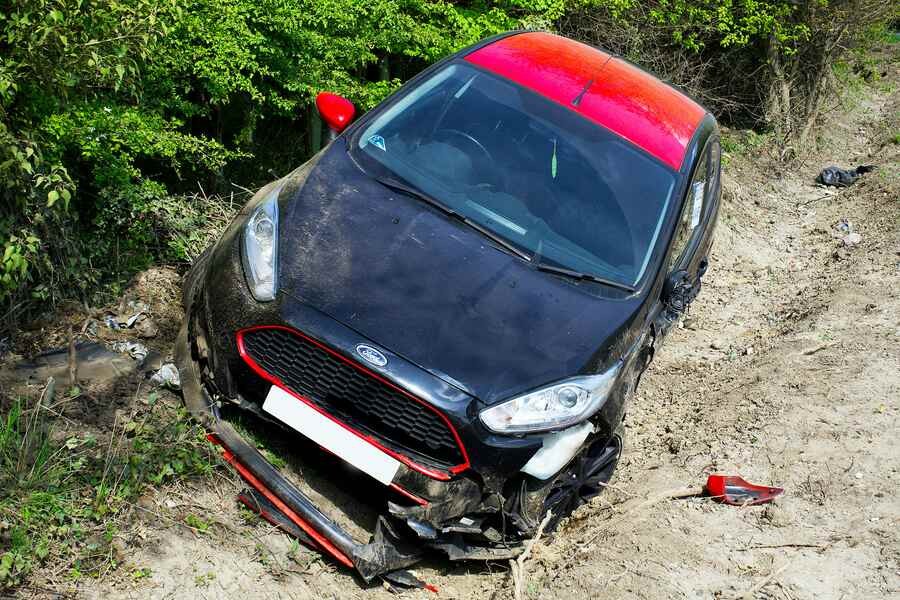
British drivers are seeing their vehicles declared “write-offs” at an unprecedented pace: over 562,000 in 2024 alone—roughly one every minute. This alarming trend, a 46% increase since 2017, isn’t just about severe damage. Many cars with minor, easily repairable issues are being prematurely scrapped, leaving drivers short-changed and fueling rising insurance costs.
The Write-Off System: How It Works (and Fails)
When insurers declare a car a write-off, they determine it costs more to fix than the vehicle is worth. However, the calculation isn’t always straightforward. Cars fall into categories:
- Category A & B: Beyond repair—crushed or stripped for parts.
- Category S: Structurally damaged but repairable.
- Category N: No structural damage—cosmetic or mechanical issues only.
The problem lies with Category N vehicles. Despite being perfectly fixable, insurers routinely write them off, leading to unnecessary waste and financial losses for drivers. New research shows that over one-third (91,500 out of 262,339 in 2025) of Category N write-offs could have been repaired with simple techniques.
Why Repairable Cars Are Being Scrapped
Insurers often overestimate repair costs, underestimate parts availability, and treat minor damage as significant. The result: a perfectly repairable car ends up in the salvage system, while the driver receives a settlement that may not reflect the vehicle’s true value. The Financial Conduct Authority (FCA) warned insurers in 2022 about undervaluing write-offs, but the problem persists.
Underpaid Settlements: A Common Issue
Even when a write-off is justified, insurers frequently offer less than the car is worth. Drivers are systematically underpaid, receiving less than the true market value. Claims management companies and the Financial Ombudsman Service confirm this—many motorists are still being short-changed. You are entitled to ask your insurer to explain exactly how they calculated the offer. You can cross-reference their figure against used car pricing guides.
The Rising Costs: A Self-Inflicted Spiral
Writing off repairable cars drives up claims costs, which insurers then pass on to drivers through higher premiums. In 2024, motor insurers paid out a record £11.7 billion in claims, a 17% jump from the previous year. Average car insurance cost £622, up 15% from 2023. By choosing write-offs over repairs, insurers are making their own problems worse—and costing drivers more in the long run.
What Happens to Written-Off Cars?
If you don’t buy back your car (which you can do), it goes to salvage auctions where rebuilders and traders buy it cheaply, repair it, and resell it for a profit. The original owner sees none of this money. Platforms like Second Gears are emerging to connect sellers directly with buyers, cutting out the auction middleman and ensuring fairer deals.
What to Do If Your Car Gets Written Off
- Find out the category: If it’s Category N, question why repair wasn’t considered.
- Check the settlement: Demand a detailed valuation breakdown and verify it independently.
- Buy back if possible: Repairing it yourself can be cheaper than replacing it.
- Explore direct sales: Platforms like Second Gears can get you a better price than auctions.
The system isn’t designed to benefit you. But by understanding how it works, you can fight for a fair deal.
The takeaway: don’t assume your insurer’s first offer is final. Question it, verify it, and explore your options—your wallet will thank you.