

The door is open. And it swings wide.
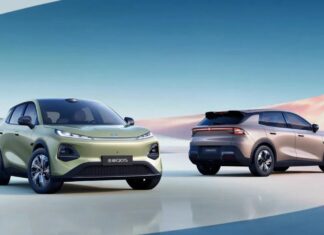
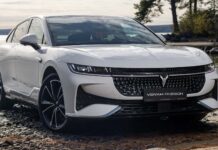
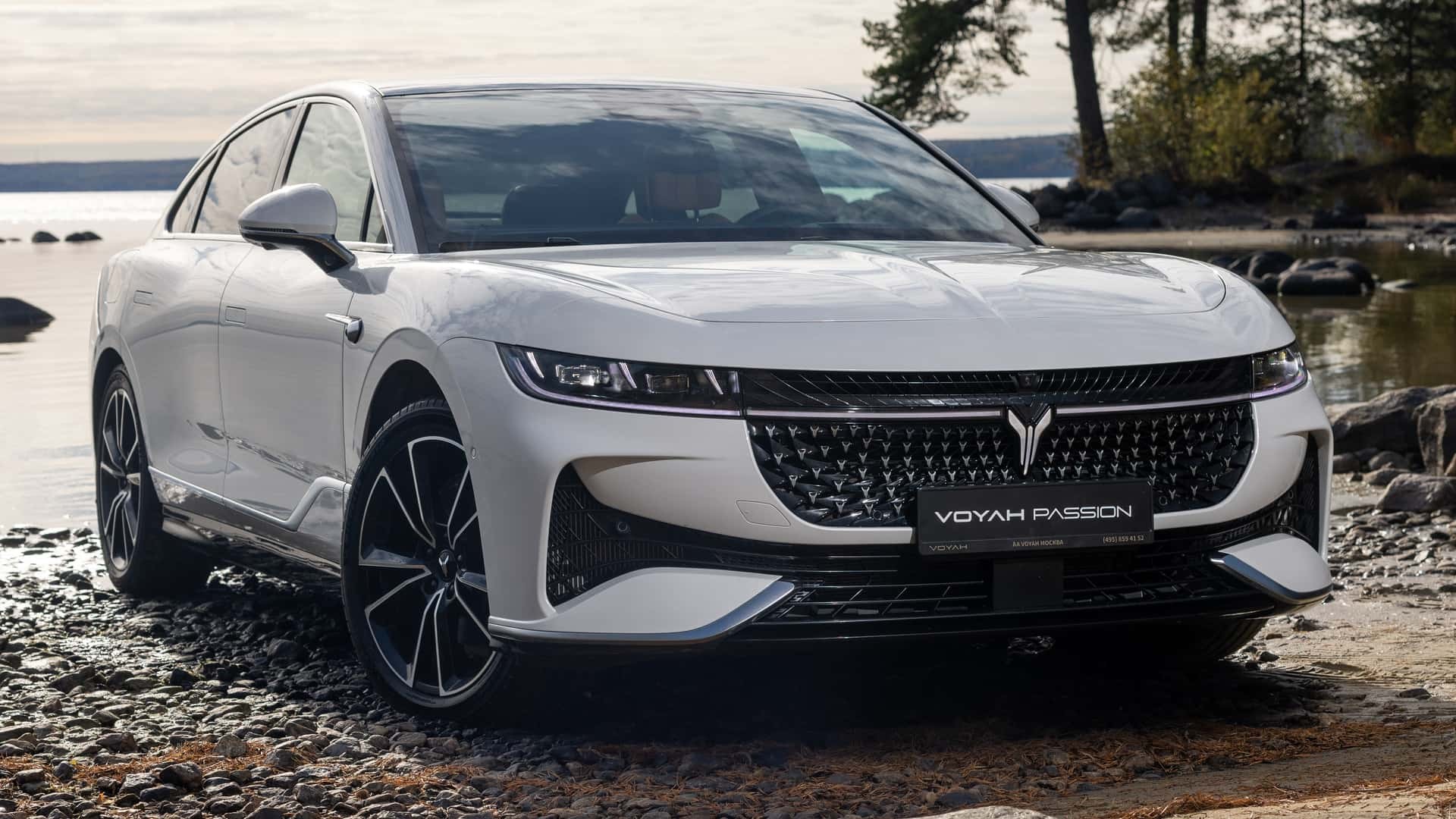
Stellantis isn’t just partnering with China anymore. They’re letting Dongfeng’s Voyah brand build hybrids and electric vehicles inside France. Right in the heart of Europe. In return? Jeeps and Peugeots made in China will ship to the world.
It feels fast. The ink on the deal to build Jeeps in China dried last week. Now a new joint venture forms in Europe. Controlled by Stellantis at 51 percent, but populated by Chinese manufacturing logic.
The Rennes Strategy
Here is the setup.
Voyah gets keys to the Stellantis plant in Rennes. Only the Citroën C5 Aiscross was running there before. Quiet floors need noise. The cars being assembled won’t just be any EVs. They will be New Energy Vehicles or NEVs.
A clumsy term perhaps? It covers plug-ins. Full battery EVs. And range-extenders that carry a gas engine just to run a generator. Smart engineering for dodging grid limits, if not for purists.
The decision benefits both parties: underused capacity meets tariff avoidance.
Dongfeng gets a major loophole. By building on European soil, those Voyah badges bypass the heavy EU import tariffs. Stellantis gets factory utilization. Both win on paper.
Do you expect this everywhere?
No. The plan limits sales to “designated markets.” Given Voyah’s premium price tag, look to Western and Northern Europe. Not Eastern. Not Southern. At least not yet.
The scope could widen. The core Dongfeng brand might join the party later. A separate facility in Chartres-de-Bretagne could produce NEVs under Dongfeng’s own name. Stellantis will push them through its existing dealer network.
This mirrors a move Opel just made in Spain. A compact EV crossover co-developed with Leapmotor. Stellantis owns 51 percent there too. Leapmotor is young, founded just 11 years. Voyah started in 2019. Two kids on the European stage.
A Risky Gamble
Short term gains? Likely. Long term pain? Probably.
European automakers are betting the house that Chinese efficiency is the savior. But allowing competitors to plant roots inside the fortress is dangerous. You are inviting them to learn the terrain. To master the regulatory code. To bypass the border wall entirely.
Market shares are climbing, slowly but steadily. By Q1 2026, data from ACEA shows SAIC hitting 2.3 percent. BYD sits at 0.9. These are footholds. Not tectonic plates. Not yet.
Stellantis wants to sell idle capacity. The logic holds water today. Factories sit half-empty. Capital is cheap, but opportunity is not. Chinese brands want entry. A handshake solves both problems. For now.
It’s a slippery slope. Allow one brand to build locally and you normalize the presence. Tariffs disappear as tools. Competition intensifies from the inside. The backfiring might not be immediate, but it feels inevitable.
We’ll see where the lines are drawn. They are redrawn every month now.