

Volkswagen is undergoing a strategic course correction. After years of attempting to redefine itself through a high-tech, somewhat disconnected electric vehicle (EV) strategy, the German automaker is now pivoting back toward the design principles and user experiences that originally built its global reputation.
The Identity Crisis: Losing the “Core”
Since the aftermath of the “dieselgate” scandal, Volkswagen has been on an aggressive march toward electrification. However, the rollout of the ID. series —the brand’s dedicated EV lineup—has faced significant friction.
CEO Thomas Schäfer recently admitted that the brand had begun to lose its connection with its most loyal customers. This “drift” was characterized by several key missteps:
- Confusing Interface Design: The replacement of tactile, physical buttons with touch-sensitive sliders and menus proved frustrating for many drivers.
- Identity Vacuum: By abandoning iconic names like Golf and Tiguan in favor of alphanumeric “tech-speak,” the brand lost the emotional resonance and clarity that its legacy models provided.
- Aesthetic Disconnect: The styling of early ID. models was criticized for being uninspired, failing to capture the distinctive character of a Volkswagen.
“It was clear to me that we were actually losing our core,” stated CEO Thomas Schäfer, signaling a realization that technological advancement alone cannot sustain a brand if it alienates its traditional user base.
A Shift from “Gut Feeling” to Customer Data
To fix these issues, Volkswagen is moving away from top-down decision-making and toward a more data-driven, consumer-centric approach. This internal cultural shift is being led by two main pillars: brutal honesty and rigorous testing.
1. Cultural Reset
Schäfer has reportedly challenged his management teams to move past old mindsets. Rather than defending existing designs, managers are being encouraged to identify failures openly. This “new mindset” aims to break down the silos that previously allowed unpopular design choices to reach the production line.
2. Customer Clinics
Engineering boss Kai Grünitz highlighted a transition toward “customer clinics.” Instead of engineers or executives deciding which features are “innovative,” real-world users are now testing prototypes extensively. This ensures that features—such as infotainment layouts and ergonomic controls—are intuitive before they are ever mass-produced.
Redesigning the Experience: The Return of Simplicity
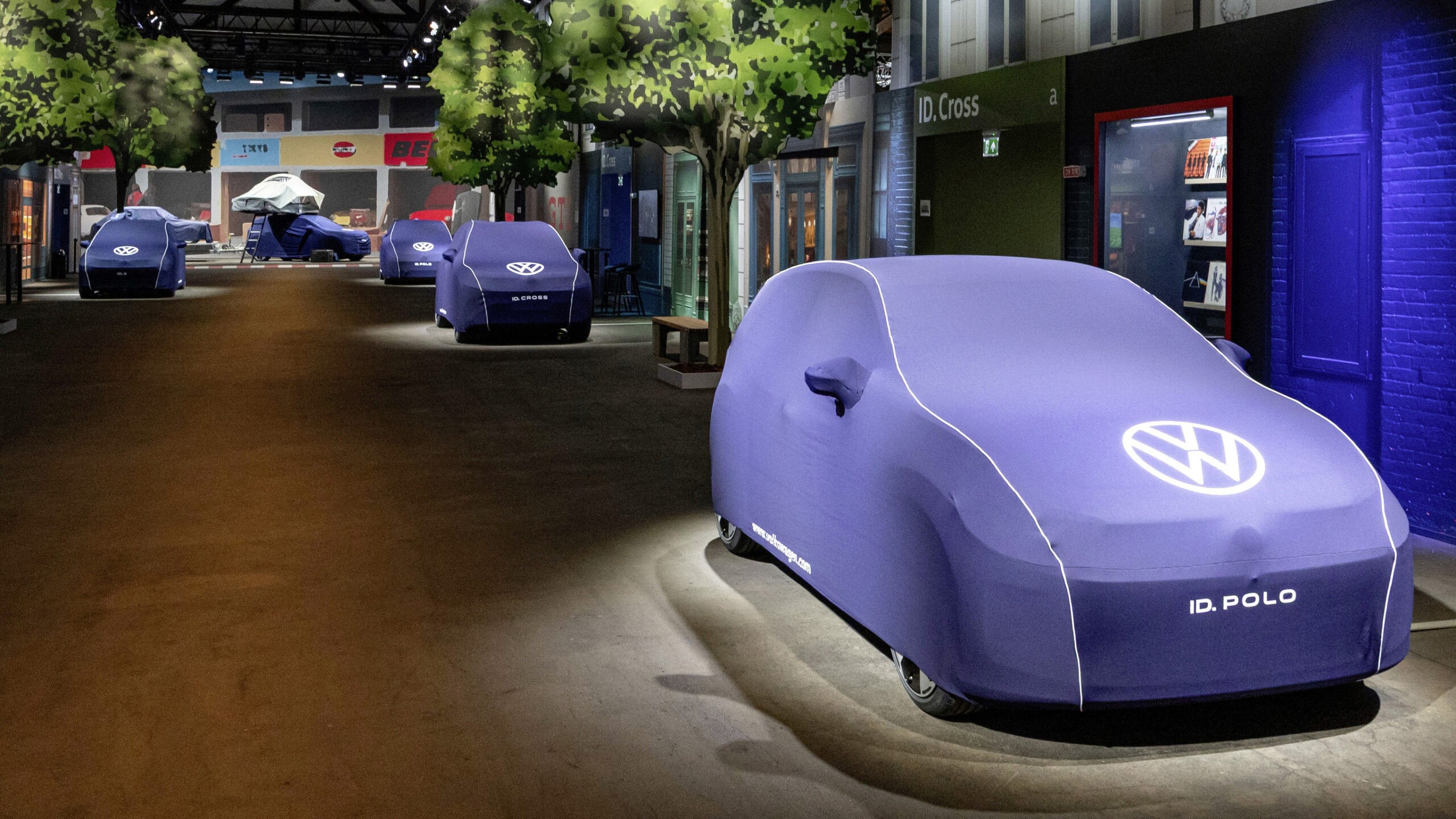
The practical result of this reset is a visible change in how the next generation of VW electric vehicles will look and feel. Under new creative leadership, the brand is prioritizing timelessness over trendiness.
Key changes currently being implemented include:
– Physical Controls: A return to actual buttons for essential functions to reduce driver distraction and frustration.
– Improved Ergonomics: Re-evaluating small details, such as door handles, to ensure they remain functional in everyday scenarios.
– Cohesive Styling: Moving away from the “bland” aesthetic of the first-generation ID. models toward shapes that feel more distinctly Volkswagen.
Conclusion
Volkswagen is learning a vital lesson in the EV transition: innovation must be balanced with usability. By reintegrating familiar controls and more recognizable design languages, the company aims to bridge the gap between its electric future and its heritage of practical, driver-centric engineering.